
Planting
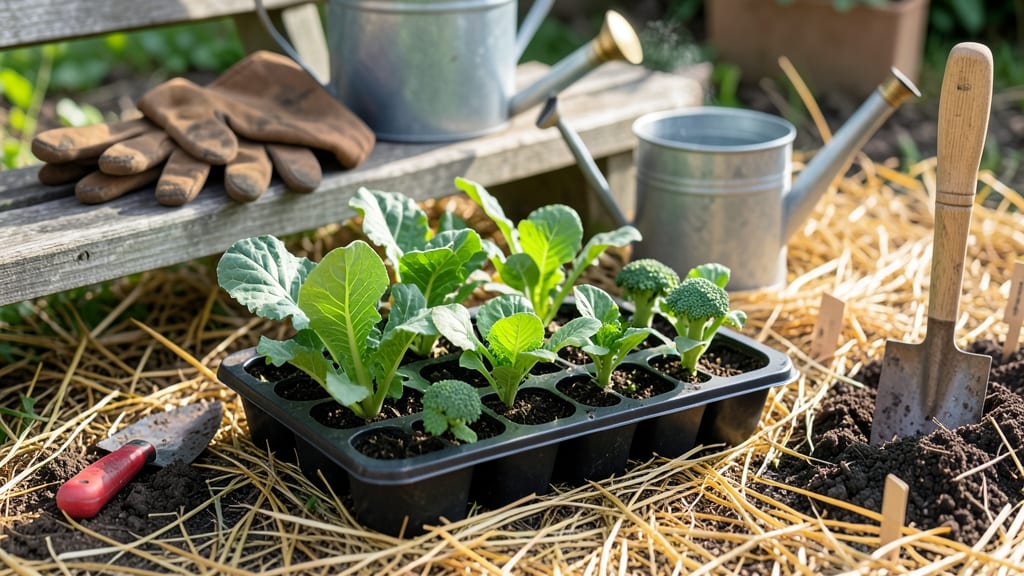
Planting a fall garden in South Texas isn’t just about timing—it’s about catching that sweet spot when the air cools enough to grow without wilting under the last of summer’s heat.
The window between 90°F drops and first frost is your golden opportunity, and missing it could mean a harvest of frustration instead of fresh produce.
I’ve learned the hard way that rushing into the garden too early—when soil still radiates like a pizza oven—can stall your 🌱 Fall Garden Vegetables (General) before they even take root.
But with the right schedule, you can beat the heat and enjoy crisp greens, hearty roots, and even late-season tomatoes long after summer’s over.
Here’s the secret: start planting heat-tolerant varieties in early August, when temperatures dip below 85°F, and keep going through October. That’s 6-8 weeks before the rare frost hits, giving your crops time to mature before the chill sets in.
Ready to avoid the common mistakes and maximize your harvest? Let’s break down exactly when to plant each crop—and how to keep them thriving until December. Your fall garden’s success starts now.
Optimal planting timeline for fall vegetables in South Texas by month
South Texas’ long growing season and high heat tolerance make fall gardening a game-changer. The key is planting heat-tolerant crops before temperatures dip below 90°F but after the brutal summer peak. My August-October window ensures your garden thrives before potential first frosts in December.
Timing isn’t one-size-fits-all—okra, sweet potatoes, and black-eyed peas can handle late summer heat, while collard greens and kale prefer cooler September starts. Below, I break down the month-by-month planting schedule to maximize your harvest.
📅 August: Start with heat-loving crops like okra, sweet potatoes, and cowpeas. These plants thrive in 85-95°F soil and need 6-8 weeks to mature before cooler weather arrives. Avoid planting lettuce or spinach—they’ll bolt in the heat.
📅 September: Shift to transition crops such as malabar spinach, Swiss chard, and turnips. This month is ideal for seeding or transplanting broccoli and cabbage, which need 50-60 days to harvest. Soil temps should drop below 85°F for best results.
📅 October: Focus on cool-season staples like kale, collards, and carrots. Plant 6-8 weeks before your area’s average first frost (typically mid-December in South Texas). Protect tender greens with row covers if nights turn chilly.
📅 November: Only fast-maturing crops like radishes, arugula, or spinach should go in the ground. These can handle mild South Texas winters and may even survive light frosts. Avoid planting anything that needs longer than 45 days to harvest.
| Month | Crops to Plant | Soil Temp | Days to Harvest |
|---|---|---|---|
| August | Okra, Sweet Potatoes, Cowpeas, Malabar Spinach | 85-95°F | 60-90 days |
| September | Broccoli, Cabbage, Swiss Chard, Turnips, Beets | 75-85°F | 45-60 days |
| October | Kale, Collards, Carrots, Lettuce, Spinach | 65-75°F | 30-50 days |
| November | Radishes, Arugula, Spinach, Green Onions | 55-65°F | 20-45 days |
⚠️ Pro Tip: Check last frost dates for your specific South Texas county—some areas like Brownsville rarely frost, while San Antonio may see light freezes by December.
Missed the boat on planting? Don’t worry—transplanting young seedlings from nurseries works too! Just harden them off for 5-7 days before moving to your garden. I’ve had great success with 6-inch seedlings of collards and kale in early October.
For container gardens, stick to fast growers like radishes or lettuce. Containers heat up faster, so shade cloth is your best friend in August. My 5-gallon pots with black-eyed peas thrived under 30% shade all summer long.
Remember: South Texas’ unpredictable weather means flexibility. If a heatwave rolls in unexpectedly, mulch heavily to keep roots cool. And always water deeply in the morning to avoid fungal issues.
🌱
Best heat-tolerant fall crops for South Texas and their planting windows
South Texas’s long, hot summers make traditional fall crops like lettuce a gamble, but heat-tolerant varieties thrive when planted at the right time. The key is selecting crops that handle 90°F+ temperatures while still maturing before first frost (usually mid-December).
These 10 top performers are your secret weapon for a productive fall harvest.
Start with okra and sweet potatoes—both love the heat and can handle late summer planting.
Okra, planted in late July to early August, gives you harvests by September, while sweet potatoes need a 120-day window, so sow them by mid-July for a December harvest. Black-eyed peas and cowpeas are also stellar choices, tolerating heat while fixing nitrogen in the soil.
- 🌿 Okra – Plant July–August, harvest 60–70 days (thrives in 90°F+).
- 🥔 Sweet Potatoes – Plant mid-July, harvest 120 days (needs warm soil).
- 🌱 Black-Eyed Peas – Sow August–September, harvest 60–70 days (drought-tolerant).
- 🌿 Cowpeas – Plant late July–early August, harvest 70–80 days (edible pods + leaves).
- 🥬 Malabar Spinach – Sow August–September, harvest 60 days (heat-loving leafy green).
- 🌶 Peppers (Jalapeño, Serrano) – Transplant late July–August, harvest 75–90 days (needs consistent water).
- 🍠 Yams – Plant July–early August, harvest 100–120 days (longer season, but worth it).
- 🌻 Collard Greens – Sow late August–September, harvest 50–60 days (tolerates mild frost).
- 🥕 Carrots (Danvers, Chantenay) – Plant September–early October, harvest 60–70 days (avoid summer heat).
- 🍅 Tomatoes (Heatmaster, Solar Fire) – Transplant late July–August, harvest 70–80 days (choose heat-set varieties).
✅ Pro Tip: Pair heat-lovers like okra with cooler-season crops (e.g., collards) for a staggered harvest.
For leafy greens, focus on Malabar spinach and collard greens, which handle late summer heat better than traditional lettuce. Plant them in August–September for a harvest before temperatures drop below 70°F.
If you’re daring, try heat-set tomato varieties like Heatmaster—they’ll produce fruit even when daytime temps hover around 95°F.
Don’t overlook root crops like carrots and radishes, but time them carefully. Carrots planted in September avoid the worst heat while maturing before frost. Radishes, with their 30-day harvest window, are perfect for quick fall success. Succession planting every 2 weeks ensures a continuous supply.
Watering is critical—these crops need deep, infrequent watering (1–1.5 inches per week) to develop strong roots. Mulch with straw or grass clippings to retain moisture and keep soil temps stable. Avoid overhead watering in the evening to prevent fungal diseases like powdery mildew, which thrives in South Texas’s humid nights.
By choosing the right crops and planting them at the optimal times, you’ll beat the heat and enjoy a bountiful fall harvest—even in South Texas. Start your list today, and mark your calendar for late July–early September planting! 🌱