
Companion Plants
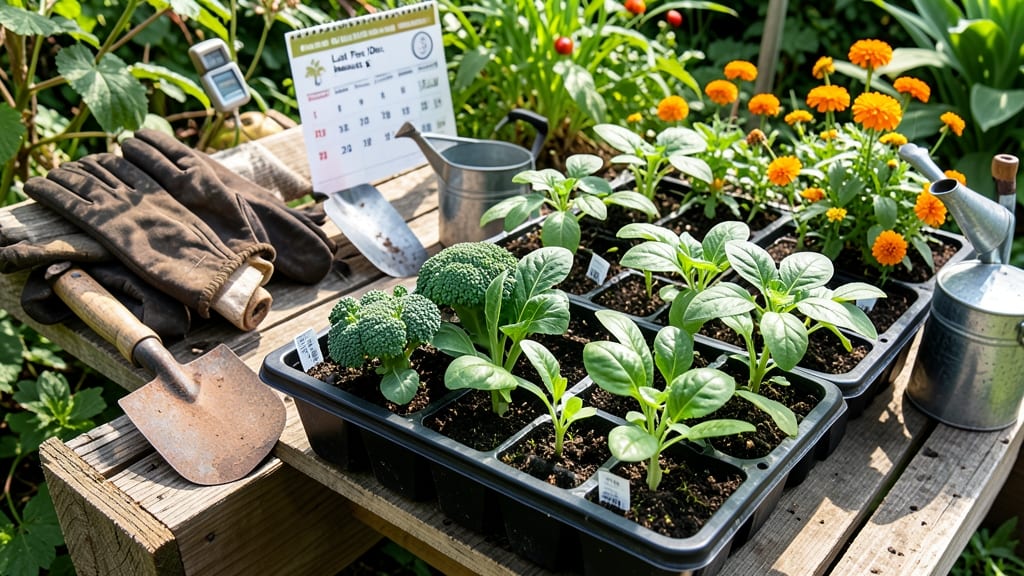
Timing when to plant a garden in South Carolina just right could mean the difference between a thriving harvest and wasted effort. The state's 7b-8a climate gives you two prime planting windows—spring and fall—but getting the dates wrong means battling frost or scorching heat instead of enjoying fresh produce.
I've learned the hard way that planting too early in late February can leave your seedlings vulnerable to surprise freezes, while waiting until May might mean missing out on the sweet spot for cool-season crops.
The key is understanding your local microclimate, whether you're in the coastal plains or the Piedmont region.
What you'll discover here are the exact month-by-month planting guidelines tailored for South Carolina's unique growing conditions. We'll cover everything from soil temperature requirements to adjusting schedules for heat-loving plants like tomatoes versus cold-hardy greens.
Ready to transform your backyard into a productive General Garden? Let's dive into the science-backed planting calendar that will help you maximize your harvests year after year.
South Carolina planting deadlines by heat Zone (USDA 7b-9a)
South Carolina spans three distinct USDA heat zones: 7b (Piedmont), 8a (coastal), and 9a (southeastern). Each zone has unique last frost dates and soil temperature thresholds that dictate when to plant.
For example, Zone 7b (like Greenville) typically sees its last frost around March 15, while Zone 9a (like Charleston) can start planting as early as February 15 for heat-loving crops.
Your planting window hinges on two critical factors: average last frost date and soil temperature. Most cool-season crops (like lettuce or broccoli) need soil temps of 40–50°F, while warm-season crops (like tomatoes or peppers) require 60°F+.
Use a soil thermometer to confirm readiness—especially in Zone 7b, where cooler springs delay planting.
🌱 Key Takeaway: Coastal areas (Zone 9a) enjoy a 100+ day longer growing season than Piedmont regions (Zone 7b). Adjust your schedule accordingly to avoid heat stress or early frost damage.
| Zone & Region | Last Frost Date | First Frost Date | Cool-Season Planting Window | Warm-Season Planting Window |
|---|---|---|---|---|
| Zone 7b (Piedmont: Greenville, Spartanburg) | Mid-March | Mid-November | Late February–Early April | After May 15 (soil 65°F+) |
| Zone 8a (Coastal: Myrtle Beach, Hilton Head) | Early March | Late November | Early February–Late March | After April 15 (soil 60°F+) |
| Zone 9a (Southeast: Charleston, Savannah) | Late February | Early December | January–Early April | After March 15 (soil 55°F+) |
For warm-season crops like tomatoes or peppers, wait until soil temperatures consistently reach 60°F—typically late April to early May in Zone 7b and March to April in Zone 9a. Use black plastic mulch to warm soil faster in cooler zones.
In Zone 9a, you can even plant heat-loving crops like okra or sweet potatoes in February for an early harvest.
If you’re in Zone 7b, consider season extenders like row covers or cold frames to push your planting window earlier. For example, spinach or kale can tolerate light frosts, so you might sow them as early as February in Zone 7b with protection.
Always check your local Cooperative Extension Service for microclimate-specific adjustments.
Pro tip: Succession planting is key in SC’s short cool seasons. For instance, sow lettuce every 2 weeks from February to April in Zone 7b to ensure a continuous harvest before summer heat sets in. This strategy works especially well for bush beans, radishes, and carrots.
For fall gardens, aim to plant cool-season crops by August 15 in Zone 7b and September 15 in Zone 9a. This gives them time to mature before the first frost. Use shade cloth in late summer to protect seedlings from intense heat while they establish.
Remember: Soil prep is non-negotiable. Amend your soil with compost 4–6 weeks before planting to improve drainage and fertility. In Zone 9a’s clay-heavy soils, mix in sand or perlite to prevent waterlogging during SC’s humid summers.
🌿 Action Step: Mark your calendar for March 15 (Zone 7b) and February 15 (Zone 9a) as your last frost reminders. Use a garden journal to track soil temps and adjust your schedule yearly.
Best crops to plant in each South Carolina season (with exact months)
South Carolina’s three distinct seasons—spring, summer, and fall—each offer unique opportunities for planting. Cool-season crops thrive in early spring and fall, while warm-season plants demand summer’s heat. Timing your plantings to match these seasons ensures bountiful harvests without wasted effort. Let’s break down the exact months to plant for maximum success. For spring planting, focus on cool-hardy vegetables like broccoli, cabbage, and peas in February through April. These crops can handle light frosts and even prefer cooler soil temps. Meanwhile, warm-season favorites like tomatoes, peppers, and squash should wait until mid-April to May, once soil temps hit 60°F or higher. Herbs like basil and cilantro also love spring’s mild weather but need protection from late frosts.Summer gardening in South Carolina is all about heat tolerance. Plant okra, sweet potatoes, and black-eyed peas in May and June for a fall harvest.
These crops thrive in the humid, hot conditions typical of Zone 8a and 9a. Succession planting is key here—sow bush beans and cucumbers every 2-3 weeks from June through July to keep harvests coming. Flowering plants like zinnias and sunflowers also love summer’s long days and will bloom nonstop with proper care.
Fall planting is your second chance for a harvest before winter. Start cool-season crops like kale, spinach, and carrots in August, giving them time to mature before the first frost in mid-November. Garlic and onions should be planted in October for a spring harvest.
Even warm-season crops like collard greens can handle fall’s cooler temps, making them a great choice for late-season gardens.
| Season | Best Planting Months | Top Crops | Key Tip |
|---|---|---|---|
| Spring | February–April | Broccoli, Peas, Lettuce, Basil | Wait until soil is 50°F+ for warm crops. |
| Summer | May–July | Tomatoes, Okra, Cucumbers, Zinnias | Mulch to retain moisture in heat. |
| Fall | August–October | Kale, Carrots, Garlic, Collards | Plant 6–8 weeks before first frost. |
Don’t forget about succession planting—this technique lets you stretch harvests by sowing small batches every few weeks. For example, plant lettuce every 2 weeks from March to October to enjoy fresh greens year-round. Radishes and turnips also grow quickly, making them perfect for quick succession harvests.
Even herbs like dill and parsley benefit from staggered plantings to ensure a steady supply.
For Zone 9a gardeners (like those in Charleston or Hilton Head), you can push the limits further. Plant heat-loving crops like eggplant and peppers as early as March under row covers or in a greenhouse.
Meanwhile, Zone 7b gardeners (Upstate SC) should focus on early spring plantings and fall extensions to maximize their shorter growing season. Adjusting for your specific zone ensures you’re not missing out on any harvest opportunities.
Pro tip: Use seasonal markers like blooming dogwoods (spring) or falling leaves (autumn) to time your plantings naturally. Pairing crops with companion plants—like basil with tomatoes or marigolds with peppers—can also improve yields and deter pests.
With these season-specific strategies, your South Carolina garden will be productive from spring to fall—no wasted space or missed opportunities!