
Planting
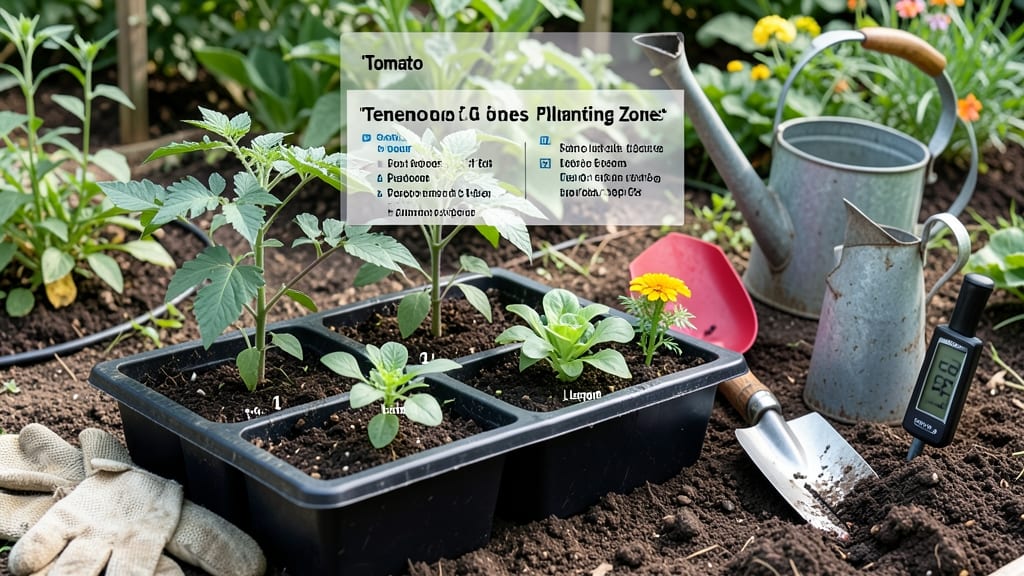
Planting your garden in Tennessee at the wrong time can mean the difference between a thriving harvest and a sad, wilted disappointment—especially when frost dates shift unpredictably from year to year.
With Zone 6B conditions, timing isn’t just about following a calendar; it’s about reading your microclimate, whether you’re in Nashville’s urban heat islands or the cooler hills of East Tennessee.
I’ve learned the hard way that rushing seedlings into cold soil or waiting too long for warm-season crops can sabotage even the most careful gardener. The key?
Understanding the 10-day rule after your last frost date and knowing which crops—like tomatoes or peppers—demand warmth while others, like spinach or kale, thrive in cooler weather.
In this guide, I’ll break down the best months to plant everything from vegetables to flowers, tailored to Tennessee’s unique growing seasons. You’ll discover how to extend your harvest with simple tricks, avoid common mistakes, and make the most of your garden’s potential—no matter where you live in the state.
Whether you’re a first-time gardener or a seasoned pro, these insights will help you plant with confidence and enjoy a garden that’s as rewarding as it is beautiful. Let’s get started!
Tennessee zone 6B frost dates & critical planting windows (2024 guide)
Tennessee’s Zone 6B climate gives gardeners a longer growing season than many northern states, but frost can still sneak in. The average last spring frost typically arrives between March 15 and April 15, while the first fall frost usually hits October 15 to November 15.
However, microclimates in cities like Nashville and Chattanooga can shift these dates by 1-2 weeks.
To time your planting perfectly, follow the 10-day rule: Wait 10 days after the average last frost date before planting warm-season crops like tomatoes and peppers. For cool-season crops (spinach, kale), you can plant 2-4 weeks before the last frost—even in early March if your soil isn’t frozen.
Here’s how Tennessee’s major cities compare for frost dates:
| Region | Avg. Last Spring Frost | Avg. First Fall Frost | Planting Adjustment |
|---|---|---|---|
| Nashville | March 25 - April 5 | October 20 - November 5 | Wait 2 weeks post-frost for tomatoes |
| Chattanooga | March 15 - April 1 | October 10 - October 25 | Can plant cool crops by March 1 |
| Knoxville | April 1 - April 15 | October 25 - November 10 | Extend fall planting with row covers |
If you’re unsure about your local frost dates, use the Almanac’s Frost Calculator or check with your local Cooperative Extension Service. For Nashville gardeners, the 10-day rule means you can safely plant tomatoes around April 15, while Chattanooga gardeners might start as early as March 25.
For fall planting, aim to sow cool-season crops like broccoli and carrots 6-8 weeks before your first fall frost. In Nashville, that’s late August to early September, while Knoxville’s later frost means you can push it to mid-September.
Pro tip: Use biodegradable row covers to extend your spring planting window by 2-3 weeks. These lightweight fabrics protect seedlings from late frosts while allowing sunlight and water through.
Soil temperature matters just as much as air temperature. For warm-season crops, wait until your soil reaches 60°F (15°C)—use a soil thermometer to check. In Tennessee, this usually aligns with mid-April to early May, depending on your location.
Remember: Microclimates (like south-facing slopes or urban heat islands) can shift frost dates by 1-3 weeks. Observe your garden’s patterns for 3 years to refine your planting schedule.
For container gardening, you can plant 2-3 weeks later than in-ground gardens, as pots warm up more slowly. But if you’re using black plastic mulch, you can plant 1-2 weeks earlier—it warms the soil faster.
Finally, keep a planting journal to track what works in your specific Tennessee location. Over time, you’ll spot patterns that local nurseries might miss.
Best months to plant specific vegetables in Tennessee (by crop type)
Tennessee’s Zone 6B climate lets you grow everything from cool-season greens to heat-loving tomatoes, but timing is everything. Plant too early, and frost will nip your seedlings. Too late, and summer heat will stress your crops.
The key? Match each vegetable to its ideal planting window—whether that’s early spring, late summer, or even fall for hardy varieties.
For cool-season crops like kale, spinach, and broccoli, aim for late winter to early spring (February–March) or late summer to early fall (August–September). These plants thrive in 50–65°F soil and can handle light frosts.
Meanwhile, warm-season favorites like tomatoes, peppers, and squash need soil temps above 60°F, so wait until after your last frost date—typically mid-April to May in most of Tennessee.
Here’s your quick-reference guide to planting by crop type, tailored for Tennessee’s climate zones. Use this to plan your garden layout and succession plantings for continuous harvests.
| Crop Type | Best Planting Months | Soil Temp Requirement | Key Notes |
|---|---|---|---|
| Cool-Season Vegetables | Feb–Mar, Aug–Sep | 45–65°F | Kale, spinach, broccoli, peas. Use row covers for frost protection. |
| Warm-Season Vegetables | Apr–May, Jun–Jul | 60°F+ | Tomatoes, peppers, cucumbers, squash. Wait until soil is warm. |
| Year-Round Winners | Mar–Nov | 50–75°F | Green onions, radishes, lettuce. Succession plant every 2–3 weeks. |
| Flowers & Herbs | Mar–Apr, Sep | 50–70°F | Marigolds, basil, thyme. Start seeds indoors 4–6 weeks before last frost. |
For tomatoes and peppers, which are heat-sensitive when young, I recommend waiting until mid-May in most of Tennessee. These plants love warm soil and will rot if planted too early.
If you’re in West Tennessee (warmer microclimate), you can push planting to late April, but East Tennessee gardeners should wait until early June for a second planting to avoid early-season frosts.
Don’t forget about succession planting! Crops like radishes (ready in 30 days) and bush beans (60 days) let you stagger plantings every 2–3 weeks for a continuous harvest. This is especially useful for leafy greens, which bolt (go to seed) in hot weather.
By late July, start prepping for fall crops—plant cabbage and carrots by mid-August for a winter harvest.
Pro tip: Use biodegradable plant markers to track what you’ve planted and when. I label mine with the variety name and planting date to avoid confusion.
And if you’re new to gardening, start with easy-to-grow crops like lettuce, zucchini, and green beans—they’re forgiving and high-yielding in Tennessee’s climate.
Now that you’ve got your planting timeline, mark your calendar for soil prep (add compost 2–3 weeks before planting) and mulching to retain moisture. Happy planting—your homegrown harvest is just a few weeks away! 🌱