
Plants
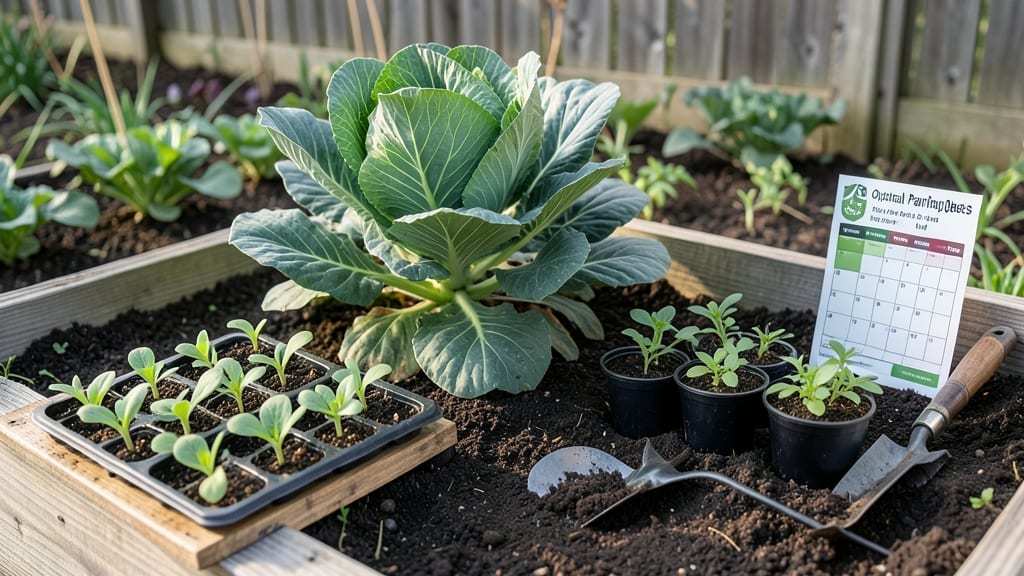
Planting cabbage in Zone 5 at the wrong time means watching your crisp 🥬 heads turn bitter before they even form. The secret to juicy, sweet harvests lies in two narrow windows—early spring and late summer—where temperatures and daylight work in your favor.
Most gardeners in Zone 5 make one of two mistakes: planting too early when soil is still cold, or waiting too long and triggering bolting.
I’ve learned the hard way that cabbage thrives when soil reaches 45°F and stays consistent, which means timing your seeds or seedlings around March-April for spring or July-August for fall.
Here’s the game-changer: whether you’re direct-sowing or transplanting seedlings, the key is avoiding heat stress. Cabbage is a cool-season crop, so shade cloth and succession planting can extend your harvest window by 4-6 weeks—just don’t let those temps creep above 75°F.
Ready to stop guessing and start growing? I’ll walk you through exact frost-date calculations, variety choices that perform best in Zone 5, and how to keep your cabbage happy from seed to harvest—no bitter surprises included.
Optimal cabbage planting windows in Zone 5: spring vs fall timing
Cabbage thrives as a cool-season crop in Zone 5, but planting too early or late can trigger bolting—when your plants flower prematurely instead of forming heads. The key is timing your spring and fall plantings to align with soil temperatures and frost dates unique to your region.
In Zone 5, your last frost date typically falls around mid-May, while the first frost arrives by mid-October. These dates create two ideal planting windows: early spring (March–April) and late summer (July–August).
Each window requires a slightly different approach to avoid bolting and ensure a harvest before winter sets in.
📅 Zone 5 Cabbage Planting Comparison
| Planting Window | Ideal Months | Soil Temp | Frost Risk | Harvest Window |
|---|---|---|---|---|
| Early Spring | March–April | 45–55°F | Low (after last frost) | May–June |
| Late Summer | July–August | 50–60°F | High (before first frost) | September–October |
💡 Pro Tip: Use a frost calculator (like the Old Farmer’s Almanac) to pinpoint your exact last frost date—this varies by 5–7 days even within Zone 5.
For spring plantings, start seeds indoors 6–8 weeks before your last frost date. Transplant seedlings outdoors once soil temperatures reach 45°F and nighttime temps stay above 30°F. This timing ensures heads form before summer heat triggers bolting. Use row covers if late frosts linger to protect young plants.
Fall plantings are trickier because day length shortens as summer ends. Sow seeds 8–10 weeks before your first frost date (typically late July–early August in Zone 5).
Choose fast-maturing varieties (like Early Jersey Wakefield) to harvest before frost. Avoid planting after mid-August, or your cabbage may bolt before forming heads.
Zone 5 gardeners often extend their harvest by using black plastic mulch or cold frames to warm soil in spring and delay frost in fall. Test soil temps with a soil thermometer—ideal temps for germination are 50–60°F.
If soil is too cold (<45°F), wait or use a seedling heat mat for faster growth.
One common mistake is planting too early in spring when soil is still cold. If you sow seeds in February, they’ll sit dormant or rot. Similarly, late summer plantings after August 15 risk bolting from shorter daylight. Stick to the March–April and July–August windows for best results.
To calculate your exact dates, subtract 80 days (average maturity) from your last frost date for spring plantings. For fall, subtract 70 days from your first frost date. Example: If your last frost is May 15, plant spring cabbage by March 1 (May 15 – 80 days).
For fall, if frost hits October 10, plant by August 2 (October 10 – 70 days).
Remember, soil temperature matters more than air temperature. Use a soil thermometer to confirm readiness—cold soil delays germination and weakens seedlings. If your soil runs below 45°F in spring, wait or use row covers to warm it faster.
For container gardening in Zone 5, follow the same timing but choose dwarf varieties like Miniature Drumhead. Containers warm up faster than ground soil, so you may plant 1–2 weeks earlier in spring. Just ensure pots have drainage holes to prevent rot in cool, wet conditions.
🌱 Key Takeaway: Zone 5 cabbage success hinges on two short windows—spring (March–April) and fall (July–August)—with soil temps between 45–60°F. Use frost dates, soil thermometers, and fast varieties to maximize your harvest before bolting strikes.
Optimal cabbage planting windows in Zone 5: spring vs fall timing
Cabbage thrives in cool-season conditions, making Zone 5's spring and fall the perfect planting windows. The key is avoiding heat stress, which triggers bolting—the plant's way of flowering prematurely.
For Zone 5 gardeners, this means planting either 4-6 weeks before your last frost (typically late March to early April) or 8-10 weeks before your first frost (usually mid-July to early August).
Your last frost date (around mid-May in Zone 5) and first frost date (around mid-October) are your planting anchors. For example, if your last frost is May 15, aim to plant cabbage by April 15 for a spring harvest.
Similarly, if your first frost arrives October 15, plant your fall crop by August 15 to finish before cold sets in.
📅 Zone 5 Cabbage Planting Comparison
| Season | Planting Window | Soil Temp | Days to Harvest | Harvest Window |
|---|---|---|---|---|
| Spring | Late March - Early April | 45-55°F | 60-80 days | May - June |
| Fall | Mid-July - Early August | 50-60°F | 70-90 days | September - October |
💡 Pro Tip: Use a seed starting kit for spring plants 6-8 weeks before your last frost to get a head start.
For direct sowing, wait until the soil reaches at least 45°F and stays consistently warm. If you're transplanting seedlings, harden them off first—this means gradually exposing them to outdoor conditions for 7-10 days before planting.
I always test my soil temp with a soil thermometer to avoid cold shock, which stunts growth.
Zone 5 gardeners can also extend their growing season with row covers or cold frames to push spring plantings slightly later or protect fall crops from early frost. For example, adding a floating row cover can delay bolting by keeping soil temps cooler during heatwaves.
Just remove it during the day if temps rise above 80°F to prevent overheating.
If you miss the spring window, don’t worry—fall plantings often yield sweeter, tighter heads because the cooler nights slow growth, concentrating flavor. Just choose bolt-resistant varieties like January King or Green Towers for your fall crop. These varieties handle shortened daylight better than standard types.
To calculate your exact planting dates, check your local USDA frost map or use a gardening app like Gardenate. Input your Zip code, and it’ll generate your personalized planting schedule.
For most of Zone 5, this means March 15-April 15 for spring and July 15-August 15 for fall—but always adjust based on your microclimate.