
Companion Plants
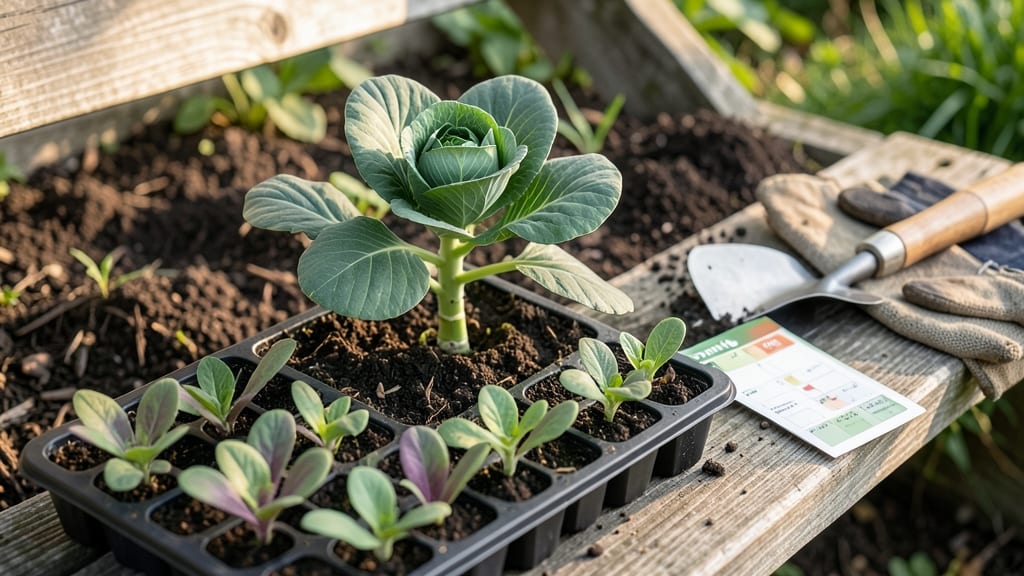
Planting cabbage in Indiana at the wrong time can turn your crisp 🥬 dreams into bitter disappointment—too early, and frost zaps your seedlings; too late, and summer heat sends them bolting before harvest.
The key to zero-stress cabbage lies in Indiana’s 6a climate, where timing your mid-March to early April spring window or late July to early August fall start makes all the difference.
I’ve grown cabbage here for years, and the last frost date (usually around April 15) isn’t just a number—it’s your deadline. Plant too close, and you’ll fight leggy seedlings; too late, and your heads shrink or split.
The solution? A 4-6 week head start for spring varieties or a 10-12 week lead for fall crops, adjusted for northern Indiana’s cooler pockets or southern Indiana’s earlier warmth.
Whether you’re direct-sowing seeds or transplanting seedlings, the soil temperature (ideally 40–50°F) and microclimate (shade from trees? windy spots?) will tweak your schedule. I’ll show you exactly how to nail those windows—no guesswork, just crisp, disease-free heads from June to November.
Ready to skip the trial-and-error? Let’s dive into the exact planting calendar that works for Indiana’s USDA Zone 6a, plus pro tips to beat bolting and stretch your harvest season. Your garden’s about to thank you.
Indiana cabbage planting dates by variety: avoid bolting and maximize yield
Indiana’s USDA Zone 5-6 climate gives you two prime cabbage planting windows: spring and fall. But timing varies by variety—early types like Golden Acre bolt faster in heat, while heat-tolerant Savoy cabbage handles Indiana’s humid summers better.
Let’s break it down by season and variety to ensure crisp, disease-free heads.
For spring planting, start seeds indoors 4-6 weeks before your last frost date (typically mid-March to early April in Indiana). Transplant outdoors 2-3 weeks before the last frost—usually late April—when soil temps hit 45°F+.
Fall planting? Aim for late July to early August to harvest before frost.
Here’s the Indiana cabbage planting timeline by variety, including heat-tolerant picks for your state’s hot, humid summers:
| Variety | Spring Planting Window | Fall Planting Window | Days to Maturity | Heat Tolerance |
|---|---|---|---|---|
| Golden Acre | March 15–April 1 | July 15–August 1 | 60–70 days | Low (bolts in heat) |
| Red Express | March 20–April 5 | July 20–August 5 | 70–80 days | Medium (needs shade in summer) |
| Savoy (e.g., Savoy King) | April 1–April 15 | July 25–August 10 | 80–90 days | High (best for Indiana summers) |
| Early Jersey Wakefield | March 1–March 15 | July 10–July 20 | 55–65 days | Low (plant early spring only) |
| Copenhagen Market | April 1–April 15 | August 1–August 15 | 90–100 days | Medium (late-season favorite) |
🌱 Pro Tip: For Indiana’s northern zones (Zone 5), push spring planting to late March to avoid frost damage. In southern Indiana (Zone 6), you can start as early as February indoors.
Direct sowing vs. transplanting? Indiana’s short growing season favors transplants for most varieties. Start seeds indoors under grow lights or buy sturdy 4–6 week old seedlings from local nurseries. Harden off seedlings for 7–10 days before transplanting to avoid shock.
Spacing is critical—crowded cabbage heads split or rot. Plant 18–24 inches apart in rows 2–3 feet apart for airflow. Use dwarf varieties (like Miniature Drumhead) if space is tight, but they’re less heat-tolerant.
Indiana’s humid summers can trigger bolting (premature flowering). To prevent this, use shade cloth (30–50%) during July–August if planting late-season varieties. Mulch with straw or grass clippings to keep soil cool and moist—consistent moisture is key to preventing bolting.
For a continuous harvest, stagger plantings every 2 weeks in spring and every 3 weeks** in fall. This ensures fresh cabbage from June through November, even if Indiana’s weather throws curveballs. Save seeds from your best heads for next year!
🌿
5 Critical factors that change Indiana cabbage planting times (and how to adjust)
Indiana’s unpredictable spring weather and microclimates can throw off even the best-laid planting plans. While most gardeners follow the April 15 last frost date, your exact timing depends on these 5 critical factors. Adjusting for them ensures your cabbage thrives without bolting or stunting.
First, soil temperature is non-negotiable—cabbage seeds need 40-45°F soil to germinate. In northern Indiana (USDA Zone 5), wait until mid-April for direct sowing, while southern Indiana (Zone 6) can start late March. Use a soil thermometer to confirm readiness.
Next, microclimates matter more than you think. A south-facing slope warms faster than a north-facing garden bed, creating a 2-week planting window difference. Observe your yard’s sun exposure—shady spots may need transplanted seedlings instead of direct sowing.
For succession planting, stagger your starts every 2 weeks from mid-March to early May. This ensures a continuous harvest from June through October. Use shade cloth if planting early—it buys you 10-14 days of protection against unexpected cold snaps.
Heat tolerance is another game-changer. Early varieties like Golden Acre bolt by mid-June, while late-season types such as Red Express withstand 85°F+ temperatures. In Indiana’s humid summers, prioritize heat-tolerant varieties for July and August plantings.
Finally, Indiana’s frost risk varies by region. Northern Indiana’s Zone 5 areas (e.g., Fort Wayne) may face late frosts until May 10, while southern Indiana (e.g., Louisville) typically hits April 15. Use a frost calendar from your local Purdue Extension office to pinpoint your exact window.
Pro tip: If you miss the spring window, fall planting is your backup. Start seeds indoors in July or transplant late July to early August for a September-October harvest. Just remember—cabbage needs 10-12 weeks to mature before frost!