
Plants
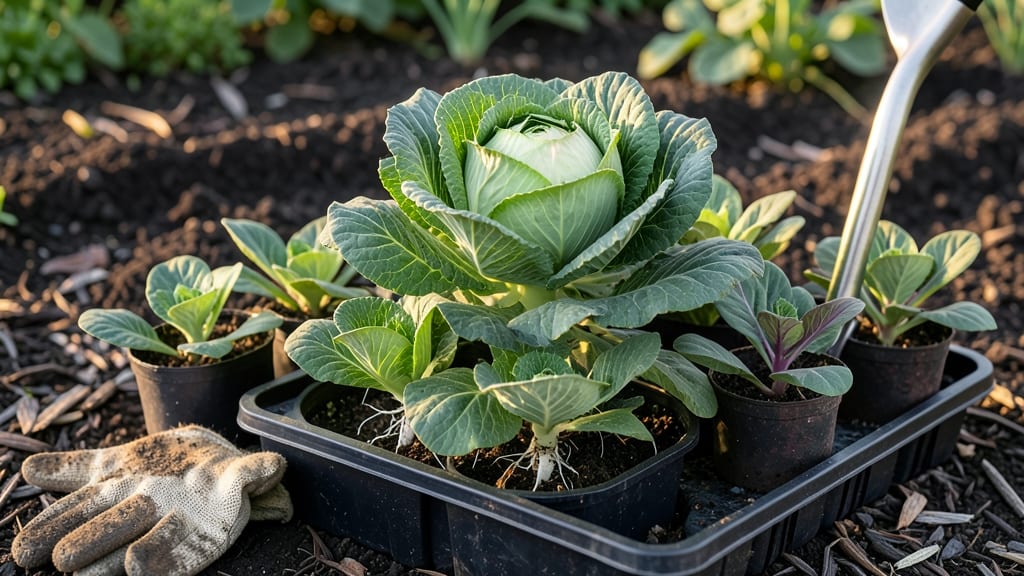
Planting 🥬 cabbage in South Carolina at the wrong time could leave you with bitter, bolting heads instead of the sweet, crunchy harvest you crave.
The state’s shifting coastal breezes and Piedmont heat zones mean your neighbors’ perfect timing might not work for you—and getting it right starts with knowing exactly when to put those seeds in the ground.
Most gardeners in USDA zones 7b-8a swear by early spring (February–March) and late summer (August–September) plantings, but those dates shift depending on whether you’re in Charleston’s humid lowlands or the cooler Upstate.
The key? Planting 6–8 weeks before your first frost—which in South Carolina can sneak up as early as mid-November in some areas.
Here’s the game-changer: I’ll break down the exact frost-free windows for your heat zone, plus how to adjust for South Carolina’s quirky microclimates. Whether you’re starting seeds indoors or transplanting seedlings, you’ll learn the 3 critical mistakes that turn promising cabbage into a flop—and how to avoid them.
Ready to grow heads that stay firm, flavorful, and pest-free? Let’s dive into the planting schedule that’ll have your 🥬 cabbage thriving from spring to fall, no matter where you garden in the Palmetto State.
South Carolina cabbage planting calendar by heat Zone (7a-8b)
South Carolina’s USDA zones 7a-8b create a unique challenge for cabbage growers—cool mountain air in the Upstate meets humid coastal heat near Charleston. To nail your planting timeline, you need to work with frost dates that shift 3-4 weeks between regions, plus temperature thresholds that trigger germination and growth.
The golden window for planting cabbage in South Carolina is 6-8 weeks before your first frost, which typically falls between mid-November (coastal areas) and early December (Upstate). For most gardeners, this means two primary planting seasons: early spring (February-March) and late summer (August-September).
Here’s the critical detail: Soil temperature must reach 45°F (7°C) for seeds to germinate properly. In Zone 7a (Upstate), this often happens by mid-March, while Zone 8b (coastal) may see warm soil as early as late February.
Transplanting seedlings is safer once nighttime temperatures stay above 50°F (10°C).
🌱 Pro Tip: Use a soil thermometer to confirm readiness—cold soil delays germination by weeks, leaving you scrambling to replant.
📅 South Carolina Cabbage Planting Timeline by Zone
| Zone | Last Frost Date | Ideal Planting Window | Seed Start Indoors | Transplant Outdoors | Harvest Window |
|---|---|---|---|---|---|
| 7a (Upstate) | Mid-March | Feb 15–Mar 15 | Jan 15–Feb 15 | Mar 20–Apr 10 | May–July |
| 7b (Piedmont) | Late March | Feb 1–Mar 20 | Jan 1–Feb 15 | Mar 10–Apr 5 | Apr–June |
| 8a (Coastal) | Early April | Jan 20–Feb 28 | Dec 15–Jan 20 | Feb 15–Mar 15 | Mar–May |
| 8b (Coastal) | Mid-April | Jan 1–Feb 20 | Nov 15–Dec 31 | Feb 1–Mar 10 | Feb–Apr |
| Fall Planting (All Zones) | Mid-Nov | Aug 15–Sep 30 | Jul 1–Aug 15 | Sep 1–Oct 15 | Oct–Dec |
For fall plantings, aim to have mature heads 60-80 days before frost. In South Carolina, this means starting seeds by mid-July for a September-October transplant, giving you harvests through December. The cooler fall temperatures actually improve cabbage flavor—just watch for early frosts in the Upstate.
🌡️ Temperature Watch: Cabbage thrives in 55–75°F (13–24°C) ranges. Heat above 80°F (27°C) causes bolting, while temperatures below 40°F (4°C) stunt growth. Use shade cloth in summer or opt for heat-tolerant varieties like 'Golden Acre' if you garden in Zone 8b.
Microclimates matter! If you’re in a valley or low-lying area, expect 2–3°F cooler nights than nearby hills. Use this to your advantage: plant 1–2 weeks earlier in these spots to extend your growing season. Conversely, rooftop gardens in Charleston may need shade protection to prevent heat stress.
💡 Local Resource: Check the Clemson Extension Service frost maps for your county—these provide hyper-local planting dates tailored to South Carolina’s 10 distinct growing regions. Their free planting calendar includes cabbage-specific advice for your area.
Remember: Succession planting every 2 weeks ensures a continuous harvest. In South Carolina’s climate, this means
South Carolina cabbage planting calendar by heat Zone (7a-8b)
South Carolina’s USDA zones 7a-8b create a tricky balance for 🥬 cabbage growers. Coastal areas like Charleston (Zone 8a) enjoy longer growing seasons, while the Upstate (Zone 7a) faces earlier frosts.
The key? Planting 6–8 weeks before your first frost, which typically lands between mid-October and early November for most regions.
For spring harvests, aim to sow seeds indoors by February 15–March 1 (Zone 7a) or March 1–15 (Zone 8a). Transplant seedlings outdoors once soil reaches 45°F+, usually by mid-March to early April. Fall plantings should start indoors by July 15–August 1 for a winter harvest before frost.
Here’s your frost-free planting timeline for South Carolina’s zones, including critical temperature thresholds for germination and growth:
| Zone | Last Frost Date | Indoor Seed Start | Outdoor Transplant | Fall Planting Window |
|---|---|---|---|---|
| 7a (Upstate) | Mid-March | Feb 15–Mar 1 | Mar 15–Apr 1 | Jul 15–Aug 1 |
| 7b (Piedmont) | Late March | Feb 20–Mar 10 | Mar 20–Apr 10 | Jul 20–Aug 10 |
| 8a (Coastal) | Early April | Mar 1–Mar 15 | Mar 25–Apr 15 | Jul 25–Aug 15 |
Pro tip: Use row covers to extend your growing season by 2–4 weeks in cooler zones. This lets you plant earlier in spring or later in fall, giving you extra harvest windows before frost hits.
For coastal gardeners, watch for humidity-related diseases like downy mildew. Space plants 18–24 inches apart and avoid overhead watering to keep leaves dry. In the Upstate, focus on cold-hardy varieties like ‘Winterbor’ to survive light frosts.
Remember: Soil temperature matters more than air temperature. Use a soil thermometer to confirm it’s 45°F+ before transplanting—cold soil stunts growth and invites rot. Adjust your schedule based on local microclimates, like sheltered spots that stay warmer longer.