
Companion Plants
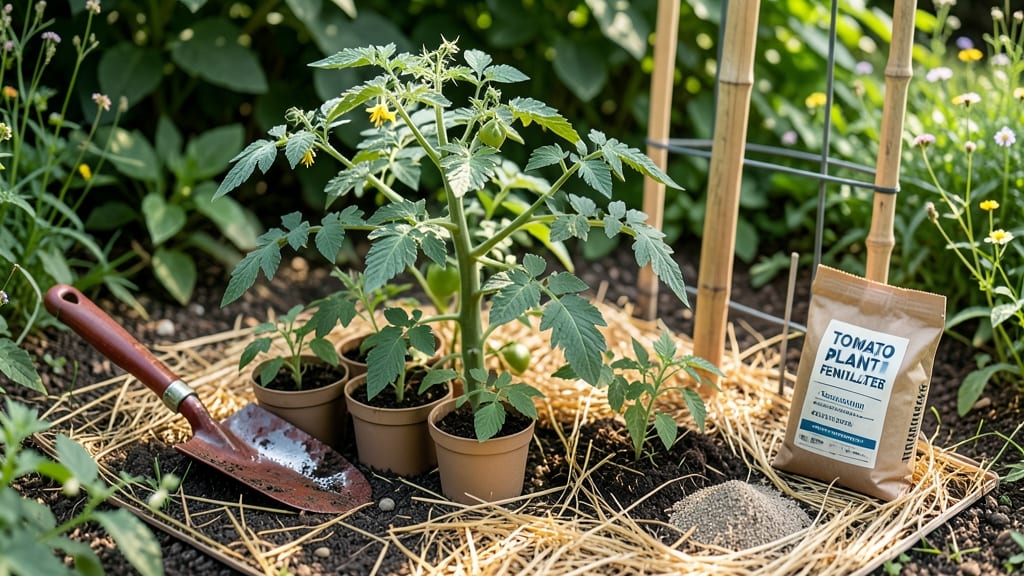
Planting tomatoes in Illinois isn't just about the calendar—it's about beating the 5b-6b zone's unpredictable frosts and giving your 🍅 plants the perfect head start. One wrong move, and you could end up with stunted vines or a harvest that never comes.
I've learned the hard way that timing matters just as much as soil prep or variety choice, especially when Chicago's last frost can hit as late as mid-April while southern Illinois might be ready weeks earlier.
The key to success? Starting seeds indoors by March 1st for early varieties, then transplanting after soil warms to 60°F—usually by late April or early May.
But here's the catch: different tomato types (heirloom, cherry, beefsteak) have their own ideal windows, and skipping this step means missing out on that June-to-October harvest window Illinois gardens are famous for.
What if you're not ready to start seeds? No problem—I'll show you exactly when to direct-sow outdoors based on your specific heat zone, plus how to extend your growing season with simple tricks like row covers.
Whether you're a first-time gardener or a veteran with a few failed attempts under your belt, these strategies will help you avoid the most common mistakes.
Let's dive into the exact planting schedule tailored for Illinois, so you can enjoy homegrown tomatoes that outshine anything from the store. Trust me, your future self will thank you when you're feasting on vine-ripened 🍅 in July instead of scrambling to salvage a late-season crop.
Illinois heat-Zone planting map: best start dates by region
Illinois spans USDA Hardiness Zones 5a-6b, meaning your tomato planting timeline should align with your specific heat zone. Northern Illinois (Zone 5a) has later last-frost dates than southern Illinois (Zone 6b), which can delay planting by 2-3 weeks.
I’ll break down the optimal transplant windows for each zone, including soil temperature requirements and frost-free averages.
For Zone 5a (northern IL), like Chicago and DeKalb, aim to transplant seedlings after May 15 when nighttime temps stay above 50°F. Southern Illinois (Zone 6b) gardeners can start transplanting as early as mid-April, but always check your local last frost date—it varies yearly.
Soil temperature is critical for tomato success. Tomatoes won’t thrive until the soil reaches at least 60°F. Use a soil thermometer to confirm—cold soil stunts root growth and delays fruiting.
In Zone 5a, soil may not warm enough until late May, while Zone 6b often hits this mark by early April.
Here’s how to find your zone: Check the USDA Plant Hardiness Zone Map using your ZIP code. Illinois’ zones range from 5a (coldest) to 6b (warmest), with Chicago landing in Zone 5b. Knowing your zone helps you time transplants and choose cold-hardy varieties if needed.
🌱 Illinois Tomato Planting Summary by Heat Zone
| Zone | Avg. Last Frost | Soil Temp for Planting | Transplant Window | Harvest Window |
|---|---|---|---|---|
| 5a (Northern IL) | May 10–15 | 60°F+ | May 20–June 1 | July–September |
| 5b (Central IL) | April 25–May 5 | 60°F+ | May 10–May 25 | June–October |
| 6a (Southern IL) | April 10–20 | 60°F+ | April 25–May 10 | June–October |
| 6b (Far Southern IL) | March 25–April 10 | 60°F+ | April 15–April 30 | May–November |
If you’re in Zone 5a or 5b, consider starting tomatoes indoors 6-8 weeks before transplanting (around March 1) to give them a head start. Seedlings need 12+ hours of light daily to avoid leggy growth.
For Zone 6a-6b, you can direct-sow seeds outdoors 2-3 weeks after your last frost if soil is warm enough.
Pro tip: Use black plastic mulch to warm soil faster in cooler zones. Lay it down 1-2 weeks before transplanting to raise soil temps by 5-10°F. This trick lets Zone 5a gardeners plant 1-2 weeks earlier than usual. Just remove it once plants are established to prevent overheating.
For late-season varieties, like ‘Celebrity’ or ‘Better Boy’, you can even try a second planting in early July (especially in Zone 6b70-80 days, so they’ll ripen before frost. Just use row covers if temps dip below 55°F at night.
Always monitor your local weather forecasts—unpredictable late frosts can still hit in May, even in Zone 6b. Keep row covers or frost cloth handy for emergency protection if overnight temps drop below 40°F.
Variety-specific tomato planting guide for Illinois gardens
Not all tomato varieties thrive equally in Illinois' variable climate. Some handle Zone 5a's cooler springs better, while others excel in Zone 6b's longer summers.
Choosing the right variety for your heat zone can boost yields by up to 40%. Let's break down the best options for Illinois gardens.
For northern Illinois (USDA Zone 5a), cold-tolerant varieties like Stupice and Mountain Merit are my top picks. These varieties can handle cooler soil temperatures and still produce early harvests before summer heat arrives.
In southern Illinois (Zone 6b), heat-resistant varieties such as Solar Fire and Heatmaster shine by thriving in hotter conditions.
Here's a quick comparison of the best tomato varieties for Illinois, including their ideal planting windows and key characteristics:
| Variety | Type | Best Zone | Planting Window | Days to Harvest | Key Feature |
|---|---|---|---|---|---|
| Stupice | Heirloom | 5a | Indoors: Feb-March | Outdoors: Mid-May | 70-80 | Cold-hardy, early producer |
| Mountain Merit | Hybrid | 5a-5b | Indoors: March | Outdoors: Late April | 65-70 | Disease-resistant, high yield |
| Solar Fire | Cherry | 6a-6b | Indoors: March | Outdoors: Early May | 60-65 | Heat-tolerant, prolific |
| Heatmaster | Beefsteak | 6a-6b | Indoors: April | Outdoors: Late May | 75-80 | Heat-resistant, large fruit |
| Sweet 100 | Cherry | ★★★★★4.9(7 reviews) |