
Vegetables
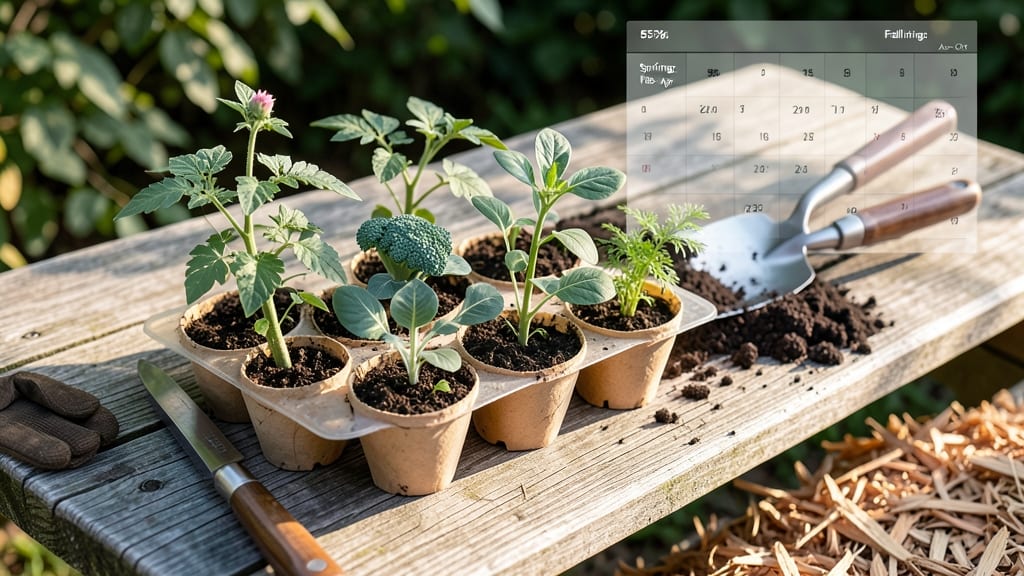
Timing your vegetable planting in California isn't just about following a calendar—it's about mastering the microclimates that turn your garden into a high-stakes gamble or a lush, thriving paradise.
Whether you're in coastal Santa Cruz with its chilly breezes or the scorching deserts of Palm Springs, the wrong move can mean wilted seedlings or wasted effort.
The best time to plant vegetables in California actually varies by region—spring in the Central Valley might mean summer in the Sierra Foothills, and fall crops in the Bay Area could bolt before harvest if you're not careful.
I've spent years tracking frost dates and heat waves to pinpoint the ideal windows for everything from tomatoes to leafy greens, so you don’t have to guess.
What if you could skip the trial-and-error and plant with confidence, knowing exactly when to tuck seeds into the earth for maximum yield? That's what this guide delivers: a breakdown of California's five key growing zones, month-by-month planting schedules, and the microclimate tweaks that separate thriving gardens from disappointing ones.
Let’s cut to the chase—whether you're a backyard gardener in Los Angeles or a small-farm operator in the Sacramento Valley, these insights will help you plant smarter, not harder. Ready to turn your garden into a year-round harvest machine?
California planting zones by region: coastal vs. desert vs. Valley timelines
California’s diverse microclimates create wildly different growing conditions. The coastal regions like San Francisco enjoy mild winters, while the Central Valley faces hot summers and cold snaps.
Even desert areas like Palm Springs have unique frost-free windows. To succeed, you must align your planting with your local frost dates and heat tolerance.
For example, leafy greens like kale thrive in cooler coastal winters (November-March), while heat-loving crops such as okra need Central Valley summers (June-August). The key? Knowing your last frost date and adjusting for microclimate variations within just 50 miles.
Here’s how to match your garden to California’s five key regions—each with its own planting calendar:
| Region | Last Frost Date | First Frost Date | Ideal Planting Window | Key Crops |
|---|---|---|---|---|
| Coastal (San Francisco, Santa Barbara) | Dec 15 – Jan 15 | Nov 1 – Dec 15 | Feb–Apr, Sep–Nov | Lettuce, broccoli, peas |
| Central Valley (Sacramento, Fresno) | Feb 1 – Mar 15 | Nov 15 – Dec 15 | Mar–May, Aug–Sep | Tomatoes, peppers, corn |
| Desert (Palm Springs, Riverside) | Dec 20 – Jan 10 | Nov 20 – Dec 20 | Feb–Apr, Sep–Oct | Okra, sweet potatoes, melons |
| Bay Area (Oakland, Berkeley) | Jan 1 – Feb 1 | Dec 1 – Jan 15 | Feb–Apr, Sep–Nov | Carrots, cabbage, spinach |
| Sierra Foothills (Sacramento Valley) | Mar 1 – Apr 1 | Nov 10 – Dec 10 | Apr–Jun, Aug–Sep | Beans, squash, zucchini |
If you live in Southern California, your frost-free window stretches from November to March, allowing year-round planting for heat-tolerant crops. Meanwhile, Northern California gardeners must rush to plant cool-season crops by mid-March to avoid frost. Always check local weather forecasts—a late frost can wipe out seedlings overnight.
For heat-sensitive crops like lettuce or basil, start seeds indoors 4–6 weeks before your region’s last frost date. Use seed-starting trays under grow lights to give them a head start. In desert regions, prioritize shade cloth to protect seedlings from intense afternoon sun.
Pro tip: Use California’s USDA Hardiness Zone Map (Zones 7–10) as a baseline, but trust local gardeners’ frost reports more. For example, San Diego’s Zone 10 allows year-round plantings, while Sacramento’s Zone 9 still faces light frosts in winter.
Remember, soil temperature matters just as much as air temperature. Use a soil thermometer—most vegetables need soil at 60°F+ to germinate. In cooler coastal areas, wait until late March or April to plant warm-season crops like tomatoes.
Finally, succession planting is your secret weapon. Instead of planting all your lettuce seeds at
Best vegetables to plant by season in California (month-by-month guide)
California’s month-by-month planting calendar is your secret weapon for a thriving vegetable garden. Unlike one-size-fits-all advice, California’s coastal fog, Central Valley heat, and desert dryness demand tailored timing.
For example, lettuce thrives in winter when days are cool, while tomatoes crave spring warmth—but plant them too early, and you’ll risk blossom-end rot from chilly soil.
To simplify, I’ve broken down the ideal months for 12 high-yield crops, adjusted for California’s three main regions: Coastal (e.g., San Francisco), Valley (e.g., Sacramento), and Desert (e.g., Palm Springs).
Coastal areas can plant earlier in spring and later in fall thanks to milder temperatures, while desert regions focus on heat-tolerant varieties like okra and sweet potatoes.
Here’s your month-by-month cheat sheet—think of it as your garden’s roadmap to success, with bolded months marking peak planting times for each crop.