
Planting
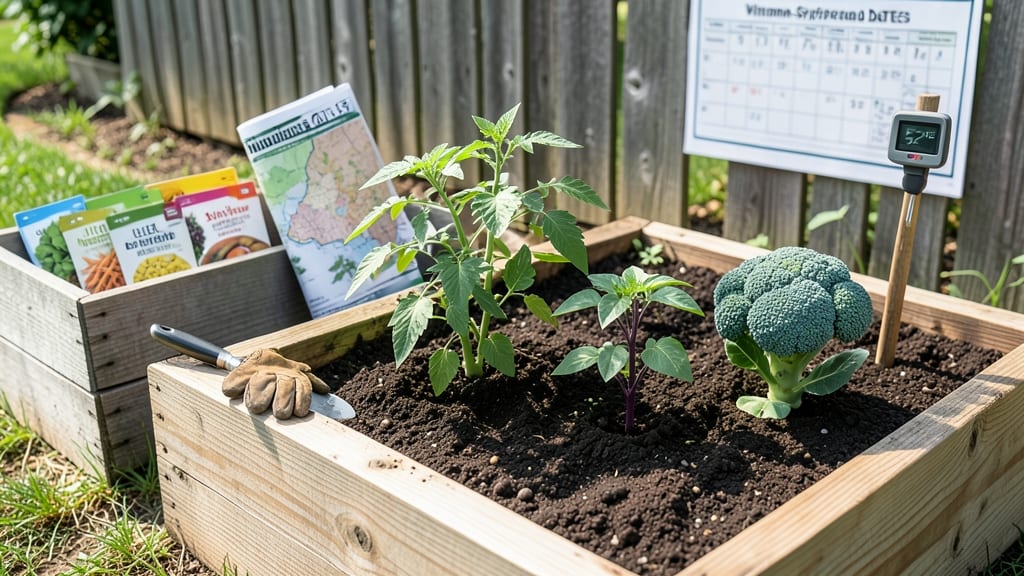
Planting a vegetable garden in Virginia at the wrong time can mean the difference between a bountiful harvest and a sad pile of frost-nipped seedlings. The key isn't just knowing when to plant—it's understanding how Virginia's 6a-8a climate zones and microclimates shift those timelines dramatically.
If you've ever watched your 🥕 sweet potatoes bolt in the heat or your tomatoes struggle to set fruit because you planted too late, you know timing matters.
But here's the good news: with the right zone-specific schedule, you can stretch your growing season from late winter to early fall, even in Virginia's unpredictable frost patterns.
I'll walk you through exactly when to start seeds indoors, when to transplant warm-season crops like peppers, and how to use Virginia's last-frost dates to your advantage. No more guessing games—just science-backed planting windows tailored to your exact location, whether you're in Richmond, Roanoke, or Norfolk.
Ready to turn your garden dreams into reality? Let's dive into the perfect planting calendar that'll have you harvesting fresh veggies all season long—without the frost-related heartbreak.
Virginia’s USDA zones and ideal planting windows by month
Virginia spans USDA zones 6a through 8a, meaning frost dates vary dramatically from the Blue Ridge Mountains (Zone 6a) to the Tidewater region (Zone 8a).
Understanding these zones helps you time your cool-season crops (like spinach and peas) for early planting and warm-season plants (tomatoes, peppers) for post-frost safety.
The last average frost date shifts from April 15 in Zone 6a to February 15 in Zone 8a, giving coastal gardeners a 6-week head start on mountain growers.
For cool-season vegetables, start seeds 4-6 weeks before your last frost date.
In Zone 6a, this means mid-February for hardy greens, while Zone 8a gardeners can begin as early as mid-January. Warm-season crops like tomatoes and peppers need soil temperatures above 60°F, so wait until 2-3 weeks after your last frost—typically late April to early May in most of Virginia. Southern Virginia (Zone 8a) can even plant early tomatoes in March under row covers.
| Zone & Region | Last Frost Date | Cool-Season Planting Window | Warm-Season Planting Window | Fall Harvest Window |
|---|---|---|---|---|
| Zone 6a (Blue Ridge: Roanoke, Blacksburg) | April 15 | Feb 15 - Mar 15 | May 1 - May 15 | Aug 15 - Oct 15 |
| Zone 7a (Piedmont: Richmond, Charlottesville) | March 20 | Jan 20 - Feb 20 | Apr 15 - Apr 30 | Aug 1 - Nov 1 |
| Zone 8a (Tidewater: Norfolk, Virginia Beach) | February 15 | Dec 15 - Jan 15 | Mar 15 - Mar 31 | Aug 15 - Dec 1 |
In Zone 6a, gardeners should focus on early spring crops like peas, spinach, and lettuce, while Zone 8a allows for year-round planting with minimal frost risk.
For example, sweet potatoes thrive in Virginia’s heat and can be planted as early as April in Zone 6a or March in Zone 8a. Meanwhile, cabbage and broccoli prefer cooler temps, so plant them in early spring or late summer to avoid bolting in summer’s heat.
For fall gardens, aim to plant warm-season crops like okra and sweet corn by mid-July in Zone 6a or June 15 in Zone 8a. This gives them 60-90 days to mature before the first frost. Leafy greens can handle light frosts, so you can sow kale and arugula as late as September in Zone 6a or October in Zone 8a. Succession planting every 2-3 weeks ensures a steady harvest of bush beans and radishes throughout the season.
Virginia’s microclimates complicate timing—urban areas like Richmond can be 5-10°F warmer than rural zones, while mountain valleys may experience later frosts.
Always check local frost records from sources like the Virginia Cooperative Extension and adjust your timeline by 1-2 weeks based on recent weather patterns. Soil temperature is just as critical as air temperature; use a soil thermometer to confirm 60°F+ for warm-season plants before planting.
If you’re new to Virginia gardening, start with hardy cool-season crops like radishes (25 days to harvest) or spinach (30-40 days) to test your soil and timing
How to adjust planting times for Virginia’s microclimates
Virginia’s diverse geography—from the coastal plains to the Blue Ridge Mountains—creates unique microclimates that can shift planting windows by weeks. For example, Norfolk’s Zone 8a enjoys earlier last frosts (around February 15) compared to Roanoke’s Zone 7a (around March 20).
Even within cities, urban heat islands can make sidewalks 5–10°F warmer than rural areas, accelerating growth.
If you’re gardening in high-elevation areas like the Blue Ridge Parkway, expect cooler temperatures and later frost risks. Plant cold-hardy crops like kale or peas 2 weeks earlier than lowland zones.
Conversely, coastal Virginia’s higher humidity can delay warm-season crops (like tomatoes) by 1–2 weeks due to slower soil warming.
🌱
- Urban Heat Islands
- Mountain Microclimates
- Coastal Humidity Zones
- Row Covers & Cold Frames
For container gardeners, microclimates matter even more—pots heat up faster in sun and dry out quicker. Place heat-sensitive crops like basil or cilantro in partial shade during July–August. Conversely, warm-season lovers (like okra) thrive in full sun and can handle coastal heat better than mountain zones.
Pro tip: Track your local frost dates for 3 years to spot patterns. Apps like Old Farmer’s Almanac or NOAA’s Climate Data provide hyper-local insights. Adjust your planting calendar annually—what worked in Zone 7a Roanoke last year might fail this year due to climate shifts.
🌿