
Companion Plants
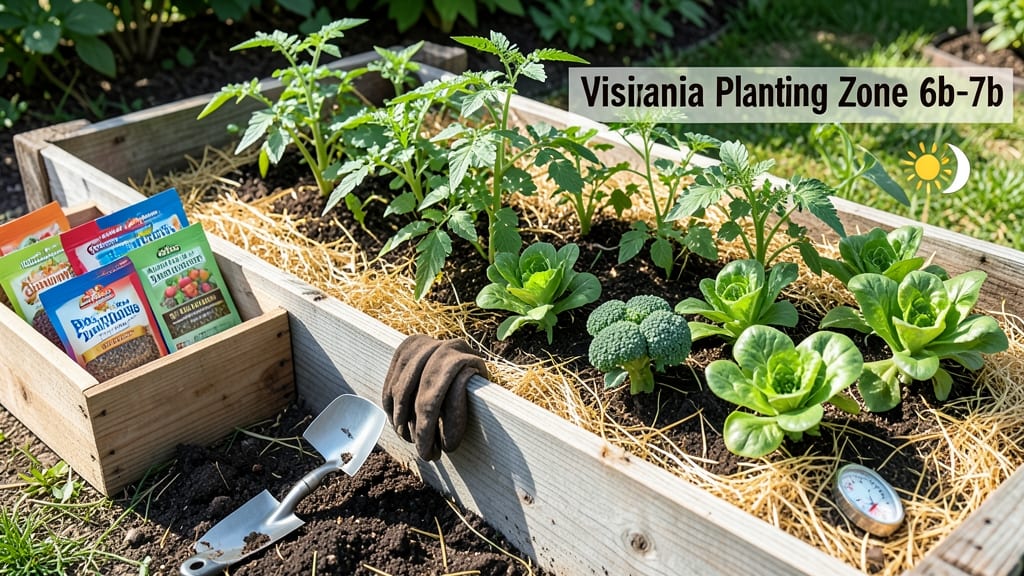
Planting your 🌱 garden in Virginia at the wrong time can mean the difference between a bumper crop and a sad, wilted disappointment. Whether you're in the coastal plains, Piedmont hills, or mountain regions, knowing exactly when to plant warm-season tomatoes or cool-season lettuce is the key to success.
With Virginia's varied climate zones—from USDA Zone 7a to 8a—timing isn't one-size-fits-all. I've dug into the data from Virginia Cooperative Extension to bring you precise frost dates and planting windows tailored to your region. Skip the guesswork and learn how to align your planting schedule with nature's rhythm.
Let's break down the ideal planting windows for both cool and warm-season crops, plus how to adjust for urban heat islands or rural microclimates.
You'll discover when to prep your soil, when to start seeds indoors, and how to protect tender plants from late frosts—so you can enjoy a garden that thrives all season long.
Ready to grow a garden that impresses? I'll walk you through everything you need to know to time your planting perfectly, no matter where in Virginia you're gardening. Let's get those seeds in the ground at just the right moment!
Virginia planting zones: frost dates and ideal start times by region
Virginia’s USDA hardiness zones 7a-8a create dramatic differences in last frost dates, which directly impact when to plant your garden.
The Coastal Plain (e.g., Norfolk) typically sees its average last frost by March 15, while the Blue Ridge Mountains (e.g., Roanoke) may not warm up until April 15.
These variations mean cool-season crops like broccoli and spinach can go in 6-8 weeks before your last frost, while warm-season crops like tomatoes need to wait until 2 weeks after.
For precise timing, I always check the Virginia Cooperative Extension’s frost maps—their 2023-2024 data shows Tidewater gardens can start 4-6 weeks earlier than Valley regions. Urban areas like Richmond often have microclimates that delay frosts by 1-2 weeks due to heat absorption from buildings.
This means your neighbor’s planting schedule might not match yours, even just 10 miles away.
Here’s the visual breakdown of when to plant based on Virginia’s three key regions. Use this as your planting calendar—but remember, actual frost dates can shift yearly by 1-2 weeks.
| Region | USDA Zone | Avg. Last Frost | Cool-Season Start | Warm-Season Start |
|---|---|---|---|---|
| Coastal Plain (Norfolk, Hampton) | 7b-8a | March 15 | Feb 15 - Mar 1 | Apr 15 - May 1 |
| Piedmont (Richmond, Charlottesville) | 7a-7b | April 1 | Mar 1 - Mar 15 | Apr 20 - May 5 |
| Mountains (Roanoke, Blacksburg) | 6b-7a | April 15 | Mar 15 - Apr 1 | May 1 - May 15 |
| 🌱 Pro Tip: Add 2 weeks to dates if your area has late frosts | ||||
For cool-season crops like kale, peas, and carrots, I always aim to plant 4-6 weeks before the last frost. These hardy vegetables can tolerate light frosts (down to 20°F for some varieties), so starting early gives them a head start.
In Zone 7a, that means late February to early March for most gardeners. I use row covers to push this even earlier if needed.
Warm-season crops like tomatoes, peppers, and cucumbers are far more frost-sensitive. These need soil temperatures above 60°F and consistent warmth, so I wait until 2 weeks after the last frost.
In Tidewater, that’s mid-April, but in the Valley, it’s often early May. Starting seeds indoors 6-8 weeks before helps bridge this gap.
Perennials and asparagus crowns have their own planting windows. I plant asparagus in early spring (March-April) so roots establish before summer heat. Strawberries go in late summer (August-September) to avoid winter dieback. These timings are region-specific—check local extension office guidelines for your exact microclimate.
One critical mistake I see often? Gardeners in Zone 7b planting tomatoes in April because their neighbor in Zone 8a did. Don’t assume—always verify your last frost date using NOAA’s climate data or your local CoCoRaHS station.
A 5°F difference can mean weeks of difference in planting readiness.
For urban gardeners, city heat can delay first frosts by 1-2 weeks in fall. I’ve seen Richmond gardens stay frost-free until November 15 in some years, while rural areas might frost by October 20.
Adjust your fall planting (like spinach or radishes) accordingly—late August for city, mid-August for country.
Finally, soil temperature matters just as much as air temperature. Use a soil thermometer—warm-season crops need 60°F+ soil, while cool-season crops thrive in 40-50°F. In Virginia
How to adjust planting times for Virginia’s microclimates and soil conditions
Virginia’s diverse microclimates can shift planting windows by weeks, especially when comparing urban heat islands to mountain valleys. I’ve learned the hard way—my tomatoes in Charlottesville thrived when my neighbor’s in Blacksburg struggled with late frosts. Here’s how to fine-tune your schedule for success.
Urban gardeners often enjoy earlier spring planting thanks to concrete and pavement retaining heat. Test soil temps with a soil thermometer—most warm-season crops like peppers need 60°F+ soil before planting. Rural areas? Wait until May 15th or later for cool-season crops to avoid frost surprises.
Factor
Urban Adjustments
Rural Adjustments
Soil Warmth
Plant 2 weeks earlier for warm crops
Delay until after May 15
Frost Risk
Use row covers for late crops
Plant hardy perennials in fall
Soil Type
Amend with compost for compaction
Add sand for drainage
Water Availability
Install drip irrigation early
Use mulch to retain moisture
Cold frames and low tunnels can extend your growing season by 4-6 weeks—perfect for leafy greens in Zone 7a. I’ve seen spinach harvested in December using these tricks! For heat-loving plants like okra, wait until June 1st in most regions to avoid blossom drop from nighttime chills.
Soil preparation is non-negotiable. Test your pH levels—Virginia’s clay soils often need lime (aim for 6.0-7.0). My blueberries nearly died until I adjusted the soil to acidic (4.5-5.5). Work in aged compost 4-6 weeks before planting to give microbes time to activate.
Heatwaves can derail even the best-laid plans. If your tomato plants wilt during 90°F+ days, provide afternoon shade with shade cloth. I’ve also had success with succession planting—sow radishes every 2 weeks from March to August for continuous harvests.
Urban gardeners face unique challenges like limited space and pollution. Choose fast-maturing varieties (e.g., ‘Early Girl’ tomatoes) and use container gardening for herbs. Rural areas? Focus on perennial crops like asparagus or rhubarb to reduce annual planting stress.
🌱