
Planting
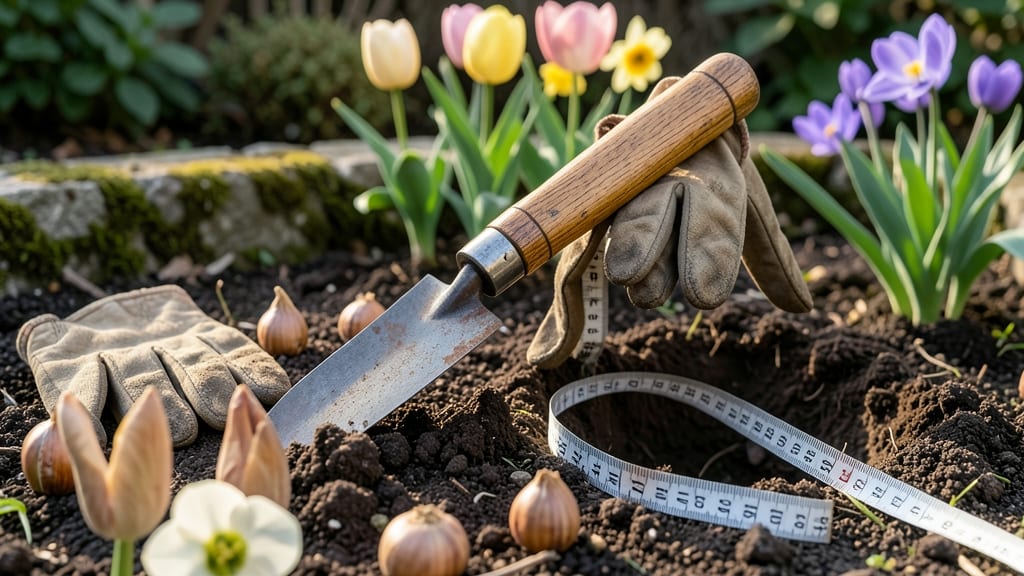
When to plant bulbs in the garden can mean the difference between a breathtaking spring display and wasted effort—get it wrong, and frost will kill your blooms before they even sprout. In USDA Zone 6a, like many gardeners, you’ve got a 6-week window in fall to plant for vibrant blooms next spring, but the exact dates depend on your first frost.
Most gardeners assume "fall planting" means late October, but that’s too late for Zone 6a. The sweet spot is September through early November, when soil temps drop but frost hasn’t settled yet.
This gives bulbs like tulips and daffodils time to root before winter dormancy—the key to strong stems and bigger blooms.
If you missed the fall window, don’t panic—spring planting still works for certain bulbs, like alliums or crocuses. Just wait until soil warms to 60°F and plant deeper than you would in fall. I’ll walk you through the exact steps, including how to adjust for early frosts or unpredictable weather.
Let’s dive into the exact months for your zone, plus pro tips to protect your bulbs from frost heave and ensure they thrive year after year. Ready to plan your garden’s next star performers?
Fall planting schedule for bulbs by USDA climate Zone
Planting bulbs in the fall is the golden rule for most gardeners, as it gives roots time to establish before winter dormancy. The key is timing—plant too early, and bulbs may sprout before frost; too late, and they won’t root deeply enough.
Your USDA zone dictates the exact window, but a general rule is to plant 4–6 weeks before the ground freezes.
For example, in Zone 3, where winters are harsh, aim to plant between mid-September and mid-October. In warmer Zone 9, you can extend planting into November or even December for spring blooms.
The goal is to ensure bulbs get 6–8 weeks of chilling before growth resumes in spring.
Soil temperature is your best guide—wait until it drops to 60°F (15°C) or lower. Use a soil thermometer to check, especially in unpredictable climates. If frost arrives unexpectedly, cover bulbs with straw or mulch to protect them until roots are established.
Now, let’s break down the ideal planting windows by zone to help you plan with precision. Use this table as your cheat sheet for fall bulb planting success.
| Zone | Ideal Planting Window | Frost Risk | Soil Prep Tips |
|---|---|---|---|
| 3–4 | Sept 15–Oct 15 | High early frost risk | Add compost; mulch heavily |
| 5–6 | Oct 1–Nov 15 | Moderate frost risk | Test soil moisture; avoid soggy soil |
| 7–8 | Nov 1–Dec 15 | Low frost risk | Light mulch; plant deeper in clay |
| 9–10 | Dec 1–Jan 15 | Minimal frost | Use black plastic mulch for warmth |
⚠️ Callout-Warning: In Zones 4–7, avoid planting too early if an early frost is forecasted. Bulbs need 6–8 weeks of chilling to trigger blooming, but premature sprouting will kill tender shoots. Check your local frost dates and adjust accordingly.
One common mistake is assuming all bulbs follow the same schedule. For instance, tulips and daffodils thrive in cooler zones, while hyacinths and crocuses can handle slightly later planting.
In Zone 10, where frost is rare, plant in December–January for spring blooms, using black plastic mulch to warm the soil.
Before planting, prepare your soil by mixing in compost or aged manure to improve drainage and fertility. Bulbs rot in soggy soil, so amend heavy clay or sandy soil with organic matter. For containers, use a well-draining potting mix with perlite or vermiculite.
Pro tip: Plant bulbs 3x deeper than their height (e.g., a 2-inch bulb goes 6 inches deep). This depth protects them from heaving during freeze-thaw cycles. In rocky or shallow soil, opt for shallow-rooted varieties like alliums or snowdrops.
After planting, water deeply to settle the soil and encourage root growth. Avoid overwatering, as bulbs need a dormant period to develop strong roots. In spring, you’ll be rewarded with vibrant blooms—proof that timing and preparation paid off!
Spring planting bulbs: when and how to revive late starters
Missed the fall planting window? Don’t panic! Many bulbs thrive when planted in spring, especially in warmer USDA Zones 7–10. While spring isn’t ideal for classic tulips or daffodils, it’s perfect for tropical bulbs like cannas, dahlias, and caladiums.
The key is timing—plant when soil temperatures hit 60°F (15°C) or after your last frost date.
Spring planting works because these bulbs focus on leaf and root growth first, storing energy for future blooms. They may not flower the first year but will establish strong roots for next season’s vibrant displays.
For example, gladioli and crocuses often bloom beautifully in their second year when planted in spring.
Before you dig, pre-soak bulbs for 4–6 hours to kickstart hydration. This is especially critical for drought-sensitive varieties like rain lilies. After soaking, plant them 2–3 times deeper than their height—this helps anchor them in loose spring soil and prevents toppling in wind or rain.
Watering is critical after spring planting. Give bulbs a deep soak immediately to settle the soil around roots, then maintain consistent moisture until foliage appears. Overwatering can cause rot, so aim for 1 inch of water per week, adjusting for rainfall.
Mulch lightly with straw to retain moisture and suppress weeds.
Not all bulbs are spring-friendly. Avoid planting hardy spring bloomers like tulips or hyacinths—they need that 6–8 week chilling period over winter to bloom. Instead, focus on these spring-planting stars:
- Crocuses: Bloom early spring, naturalize well
- Alliums: Drought-tolerant, striking globes
- Caladiums: Stunning foliage, shade-loving
- Dahlias: Bold blooms, great for cut flowers
- Canna lilies: Tropical vibes, heat-loving
Remember, spring-planted bulbs may take 1–2 years to reach their full potential, but the wait is worth it for low-maintenance beauty with minimal effort. With the right timing and care, you’ll enjoy a lush garden that rivals fall-planted varieties—just a season later! 🌷