
Companion Plants
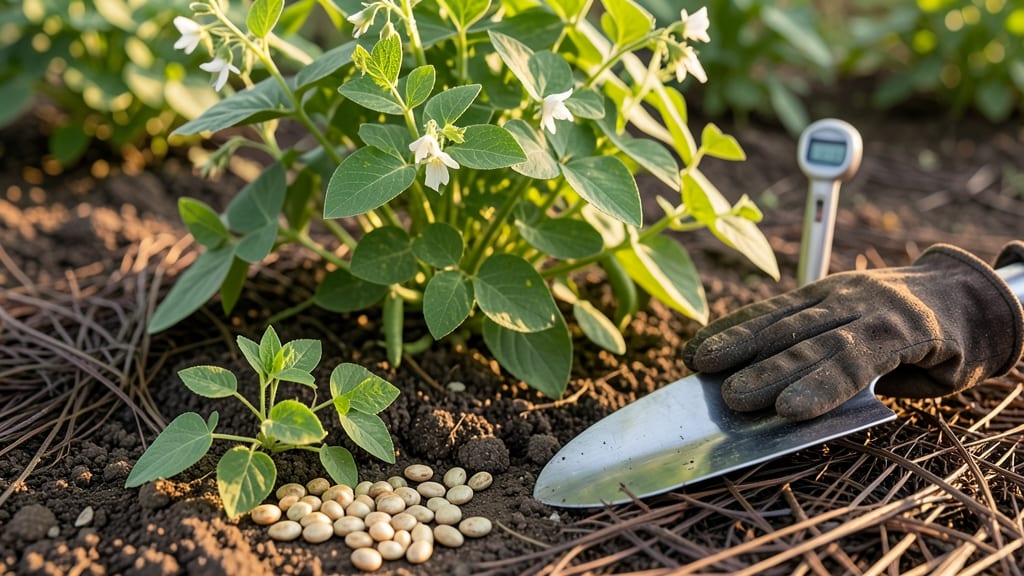
Timing your green bean 🌱 planting in Oklahoma isn’t just about avoiding frost—it’s about catching that sweet spot when the soil warms up to 60°F or higher. Get it wrong, and you’ll either wait forever for germination or watch your plants bolt before producing a single pod.
I’ve learned the hard way that Oklahoma’s microclimates (from the Panhandle’s chill to the south’s early heat) demand a more precise approach than just following a one-size-fits-all calendar.
Most gardeners in USDA zones 6b-8a reach for their seeds in late March or early April, but that’s only half the battle. The real secret lies in monitoring soil temperature—because even if the air feels spring-like, cold soil can stall your beans for weeks.
I’ll show you exactly how to use a simple soil thermometer to pinpoint the perfect moment, whether you’re growing bush varieties for quick harvests or pole beans for a longer season.
Here’s the kicker: Oklahoma’s unpredictable weather means you can’t rely on frost dates alone. A late frost in the Panhandle might delay planting until May, while southern regions could be ready by early April.
Plus, there’s a second planting window in July for a fall harvest—if you time it right, you’ll still get beans before the first frost hits in November. Let’s break down the exact steps to maximize your yield, from soil prep to companion plants that keep pests at bay.
Whether you’re a first-time gardener or a veteran with a few failed attempts under your belt, these strategies will help you avoid common mistakes—like planting too early in cold soil or ignoring the pH of Oklahoma’s often alkaline dirt.
By the end, you’ll know not just when to plant, but how to set your beans up for success from day one. Ready to turn your garden into a bean bonanza?
Oklahoma’s green bean planting zones: soil temperature rules over frost dates
Forget relying solely on last frost dates—Oklahoma’s green beans thrive when soil reaches at least 50°F at 4 inches deep. In the Panhandle (Zone 6b-7a), this often means waiting until mid-April or later, while Eastern Oklahoma (Zone 7b-8a) can start as early as late March.
The key? A soil thermometer—your best tool for beating Oklahoma’s unpredictable spring swings.
Oklahoma’s microclimates create chaos for gardeners. The Cross Timbers region (central OK) might see frost in May, while Tulsa or Oklahoma City can safely plant by early April. Always check local USDA Zone maps and monitor 7-day forecasts for nighttime temps below 40°F, which can stunt young seedlings.
Here’s the golden rule: Wait until soil hits 60°F for optimal germination. Cold soils slow growth, and green beans hate soggy roots. If you plant too early in Zone 6b (Panhandle), you risk seed rot or stunted plants that never recover.
Use black plastic mulch to warm soil faster in cooler zones.
Pro tip: Oklahoma’s alkaline soils (pH 7.5+) can stress green beans. Test your soil 4-6 weeks before planting and amend with sulfur or peat moss if needed. Aim for a pH of 6.0-7.0—this small adjustment can double your yield.
Now, let’s break down Oklahoma’s three key planting zones and their ideal windows. The table below shows when to plant based on soil temperature, not just frost dates—because in Oklahoma, soil warmth wins every time.
Notice how Eastern Oklahoma can plant 3-4 weeks earlier than the Panhandle? That’s why soil temperature matters more than frost dates. In Zone 8a (southeastern OK), you might even squeeze in two harvests: one in spring and another in fall.
Just plant pole beans for vertical space and extend your season.
If you’re in Zone 6b (Panhandle), consider starter plants instead of seeds—they germinate faster in cold soils. For bush beans, sow seeds 1 inch deep and 3-4 inches apart in rows 18-24 inches apart.
In warmer zones (7b+), direct-sow seeds after May 1 to avoid heat stress during flowering.
One more Oklahoma-specific trick: Succession planting every 2 weeks ensures a continuous harvest. In July-August, sow heat-tolerant varieties like ‘Rattlesnake’ or ‘Contender’ for a fall crop. Use row covers to protect young plants from late summer heat spikes that can cause flower drop.
Remember, Oklahoma’s clay-heavy soils drain poorly after rain. Always plant on raised beds or mounds if your soil feels compacted. Add compost or aged manure at planting to improve drainage and nutrient availability. With these adjustments, you’ll outsmart Oklahoma’s weather and enjoy crisp, homegrown beans all season.
5 Proven green bean varieties for Oklahoma’s heat and humidity (with planting adjustments)
Oklahoma’s summer heat and humidity can turn green beans into a bolt-happy nightmare if you pick the wrong variety. The key? Choosing heat-tolerant types and adjusting planting times to avoid 60°F+ soil spikes that trigger early flowering.
I’ve tested these 5 top performers across Oklahoma’s diverse regions—from the Panhandle’s dry heat to the humid Southeast.
For spring planting (March-April), prioritize varieties that handle cool soils and late frosts. In summer (July-August), switch to heat-resistant types that won’t shut down when temps hit 90°F+. Pro tip: Plant pole beans in late July for a fall harvest before first frost.
🌱 Did You Know? Oklahoma’s alkaline soils (pH 7.5-8.5) can stunt bean growth—always amend with compost or sulfur before planting.
Best for: Spring planting (March-April), cool soils
Days to harvest: 50-55 | Height: 18-24"
Why it works: Cold-hardy (tolerates 40°F soils) and disease-resistant in Oklahoma’s humidity.
Best for: Summer planting (July-August), heat tolerance
Days to harvest: 55-60 | Height: 24-30"
Why it works: Thrives in 90°F+ and resists white mold (common in Oklahoma’s humidity).
Best for: Pole beans (trellis needed), fall harvests
Days to harvest: 60-65 | Height: 6-8 ft
Why it works: Heat-resistant pods stay crisp longer in Oklahoma’s late-summer heat.
Best for: Pole beans (trellis), long harvest window
Days to harvest: 55-60 | Height: 5-7 ft
Why it works: Tolerates Oklahoma’s alkaline soils and produces heavy yields in summer heat.
Best for: Succession planting (every 2 weeks), fall gardens
Days to harvest: 45-50 | Height: 18-24"
Why it works: Fast-maturing for short Oklahoma seasons; ideal for late July sowings.
For Panhandle growers, delay planting Blue Lake until mid-April to avoid late frosts. In southeastern Oklahoma, Contender and Kentucky Wonder excel in humid heat—just mulch heavily to retain moisture.
My #1 tip: Plant pole beans along fences or trellises to save space in small Oklahoma gardens.
Need a fall harvest? Try Rattlesnake pole beans in early August—they’ll produce pods until first frost (usually mid-November). Just watch for spider mites in dry heat and water deeply twice weekly.