
Plants
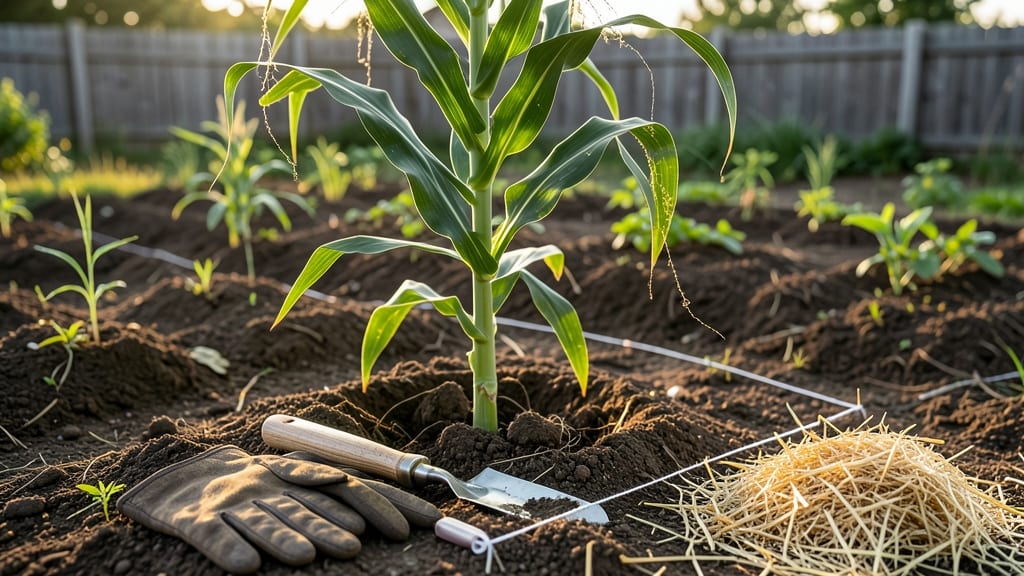
Timing your corn planting just right in Northern California can mean the difference between a bountiful harvest and a sad, wilted 🌽 disappointment.
Since the region’s microclimates swing from chilly coastal fog to scorching Central Valley heat, knowing the exact frost-free schedule and soil temperature sweet spot is the key to success.
You might assume that mid-April works everywhere, but in USDA zones 8a-9b, coastal areas like San Francisco can still face late frosts well into May, while inland spots like Sacramento are ready to plant weeks earlier.
The secret lies in tracking soil temps—corn needs 60°F+ to germinate, and waiting until the last frost has passed (usually by early June in most areas) sets you up for the best start.
Whether you’re growing sweet corn for summer snacks or starchy varieties for fall storage, getting the timing right isn’t just about avoiding frost—it’s about maximizing pollination and avoiding heat stress.
I’ll walk you through the exact planting windows, soil prep tricks, and even how to adjust for high-altitude zones like Lake Tahoe, so you can grow corn like a local pro.
Ready to turn your garden into a corn patch? Let’s dive into the frost-free schedule, soil temperature secrets, and variety-specific tips that’ll have your ears plumping up just in time for harvest—no guesswork required.
Northern California frost-free dates & soil temperature requirements for corn planting
Northern California’s diverse microclimates mean your last frost date could vary by weeks—from late February in Sacramento to late March near coastal areas like San Francisco. For corn, timing is everything: plant too early, and frost will kill seedlings; too late, and heat stress reduces yields.
The key is aligning your planting with soil temperatures of 60-85°F and your local frost-free window.
Most of Northern California falls within USDA zones 8a-10a, but even within these zones, elevation and proximity to the coast create huge differences.
For example, Lake Tahoe’s high-altitude gardens (zone 7b) may need to wait until late May for safe planting, while coastal fog zones like Santa Cruz can start as early as mid-April. Always check your local frost dates from the UC Master Gardener Program or Almanac’s Frost/Freeze Tool for precision.
Corn seeds won’t germinate below 50°F soil temperature, but they’ll bolt (go to seed prematurely) if planted in soil above 85°F. Use a soil thermometer to monitor temps—plant when the soil consistently reads 60°F or warmer at a 4-inch depth.
In the Central Valley, this often means mid-April to early May, while coastal areas can start 2-4 weeks earlier.
| Region | Last Frost Date | Ideal Planting Window | Soil Temp Requirement | Harvest Window |
|---|---|---|---|---|
| Sacramento Valley (Zone 9a) | Mid-March | Mid-April to early May | 60-85°F (15-29°C) | July to early October |
| San Francisco Bay Area (Zone 9b-10a) | Late March | Late April to early June | 55-80°F (13-27°C) | August to October |
| Coastal Fog Zones (Santa Cruz, Zone 9b) | Late March | Mid-April to late May | 55-75°F (13-24°C) | August to September |
| High Altitude (Lake Tahoe, Zone 7b) | Late May | Late June to early July | 65-80°F (18-27°C) | September to October |
If you’re in a cooler microclimate (like the Eastern Sierras), opt for early-maturing varieties (60-70 days to harvest) to avoid fall frosts
Sweet vs. starchy corn varieties: best planting times & maturity zones in Northern California
Northern California’s diverse climate means sweet corn and starchy corn thrive in different planting windows. Sweet corn like Golden Bantam needs cooler soil to prevent sugar conversion, while starchy varieties like Country Gentleman handle heat better. Your USDA zone (8a-9b) and microclimate dictate the perfect timing.
For coastal areas (e.g., San Francisco), plant sweet corn in late April to early May when soil temps hit 60°F. Inland regions like Sacramento can start 2-3 weeks earlier (mid-April) to avoid summer heat stress. Starchy corn tolerates warmer soil, so it can go in mid-May in most zones.
| Variety | Type | Best Planting Window | Days to Maturity | Coastal Success? |
|---|---|---|---|---|
| Golden Bantam | Sweet | Late April–Early May | 60–70 days | ✅ Yes (cool-loving) |
| Country Gentleman | Starchy | Mid-May–Early June | 90–100 days | ✅ Yes (heat-tolerant) |
| Silver Queen | Sweet | Early May | 75–85 days | ⚠️ Borderline (needs shade) |
| Peaches & Cream | Sweet | Late April–Early May | 70–80 days | ✅ Yes (drought-tolerant) |
If you’re in high-altitude areas like Lake Tahoe (USDA 7b), delay planting until early June to avoid late frosts. Succession planting every 2 weeks ensures a continuous harvest—critical in Northern California’s short growing season. For coastal fog zones, prioritize drought-tolerant varieties like Peaches & Cream.
Pro tip: Starchy corn stores better for drying or grinding, making it ideal for Central Valley gardeners. Sweet corn, however, must be eaten fresh or frozen within 24 hours of harvest to preserve sweetness. Always check seed packets for regional recommendations—some brands specify Northern California-friendly strains.
For maximum yields, plant in blocks (not rows) to improve pollination. Space seeds 1 inch deep and 12 inches apart, thinning to 8–10 inches when seedlings emerge. Companion plants like beans or squash can help shade roots and retain moisture in dry inland zones.
Remember: Heat stress after 90°F can stunt growth, so late June plantings risk poor yields. Use shade cloth or mulch to protect seedlings if early summer brings unexpected heat waves. 🌽