
Plants
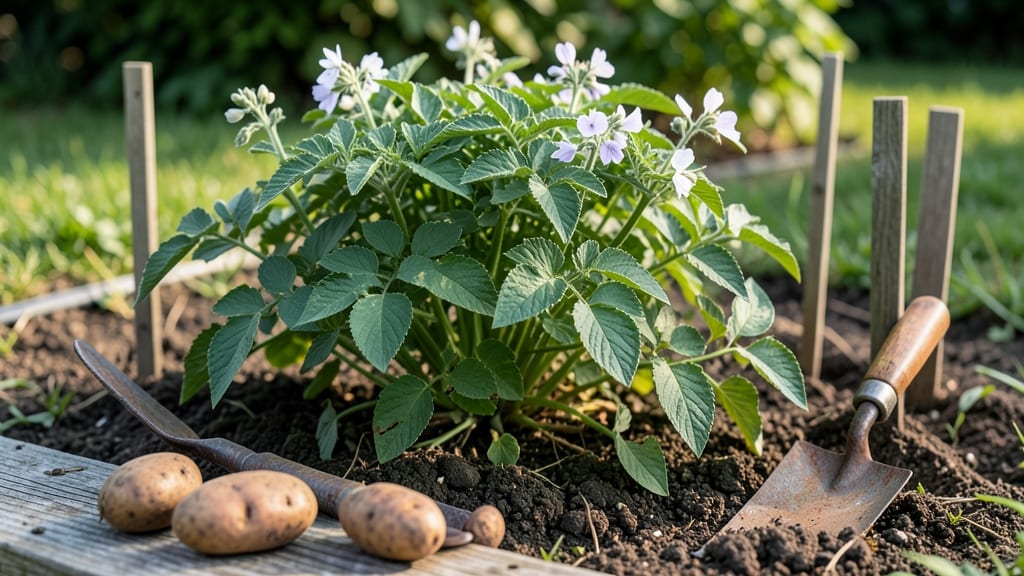
Planting potatoes in Texas isn't just about throwing them in the dirt and hoping for the best—timing makes all the difference between a bountiful harvest and a sad, frost-nipped failure.
With the right schedule, you can grow flourishing 🥔 that thrive in the Lone Star State's unpredictable climate, whether you're in frost-prone North Texas or the milder South.
Most gardeners assume "spring planting" means mid-March, but that’s a risky bet in many Texas zones. The truth? You can start as early as late February in North Texas or even January in South Texas—if you know the exact windows to avoid frost damage.
I’ve tested these strategies myself, and the difference between a successful harvest and a wasted effort comes down to understanding your local frost dates and soil conditions.
What you’ll discover here isn’t just a generic "plant in spring" advice—it’s a region-specific guide tailored to Texas’s diverse climate zones. From early varieties that beat the frost to late-season strategies for extending your harvest, I’ll break down the best months, soil prep tips, and even common mistakes to avoid.
Let’s get those potatoes growing the right way.
Whether you’re a first-time gardener or a seasoned pro, these insights will help you maximize your yield and avoid the heartbreak of a frost-killed crop. Ready to dig in?
Texas potato planting calendar: exact months by variety for zero-frost success
Texas's diverse climate means North Texas gardeners face late frosts into March, while South Texas can plant as early as January. The key? Matching your potato variety to your region's last frost date.
Early varieties like Red Pontiac thrive in cooler soil, while Yukon Golds need warmer temperatures to avoid rot.
For North Texas (USDA Zones 8a-8b), aim for late February to early April—just 2-4 weeks before your average last frost (typically March 1-15).
In Central Texas (Zones 8b-9a), plant between January and March, and South Texas (Zones 9b-10b) can start as early as January with minimal frost risk.
Soil temperature is just as critical as air temperature. Potatoes need soil at 45°F+ to sprout consistently. Use a soil thermometer to confirm readiness—cold soil delays germination and invites disease.
Pro Tip: If your soil is still chilly, try black plastic mulch to warm it faster. This trick can shave 1-2 weeks off your planting timeline in cooler regions.
| Variety | Planting Window | Days to Harvest | Best For |
|---|---|---|---|
| Red Pontiac | Feb 15 - Mar 15 (All TX) | 70-90 days | Early harvests, cold soil |
| Yukon Gold | Mar 1 - Apr 1 (North TX) | 90-110 days | Warm soil, high yield |
| Purple Majesty | Jan 15 - Feb 28 (South TX) | 80-100 days | Long season, mild climates |
| Russet | Feb 28 - Mar 31 (Central/South TX) | 100-120 days | Baking, storage |
For North Texas, prioritize early-maturing varieties like Red Pontiac (70-90 days) to beat summer heat. In South Texas, you can even plant Purple Majesty as late as February for a fall harvest before first frost (typically December 15+).
Always chit your seed potatoes (sprout them indoors) 4-6 weeks before planting. This gives them a head start and ensures uniform germination in Texas's variable spring temperatures.
Watch for soil moisture—potatoes need 1-2 inches of water weekly, but soggy soil invites rot. Use drip irrigation or soaker hoses to keep foliage dry, especially in humid Central Texas summers.
In North Texas, consider straw mulch after sprouts emerge. It insulates roots from late frosts and retains moisture during Texas's unpredictable spring rains.
Remember: Harvest timing varies by variety. Early types like Red Pontiac are ready by late April in North Texas, while Russets may need until June.
🌱
How to extend the potato growing season in Texas: frost-proofing tips for early and late plantings
Texas gardeners face unique challenges with potato planting due to our unpredictable frost dates and extreme heat. But with the right strategies, you can extend your harvest window from spring to fall—even in North Texas.
The secret? Cold-hardy varieties and season-extending tools that protect your spuds from late frosts or early heat waves.
In North Texas (USDA Zones 7b-8a), where frosts can linger until mid-March, I recommend planting early varieties like 'Yukon Gold' under frost cloth starting in late January.
For South Texas (Zones 8b-10a), where mild winters allow earlier starts, you can even plant 'Red Pontiac' as soon as January for a spring harvest.
Here’s how to maximize your potato season with proven techniques:
Use Frost Cloth or Row Covers
Lightweight frost cloth (rated for 28°F) can protect young plants until mid-April in North Texas. Secure it with bricks or stakes to prevent wind damage.
Plant Cold-Hardy Varieties
Choose 'Purple Majesty' or 'Kennebec' for earlier harvests. These tolerate 32°F better than 'Russet' varieties, which need 45°F+ soil.
Try Succession Planting
Plant every 2-3 weeks from February to April for a staggered harvest. This ensures you’re always getting fresh potatoes while older plants mature.
Use Black Plastic Mulch
Lay black plastic over beds to warm soil faster and suppress weeds. Cut X-shaped slits for planting to avoid disturbing roots.
Harvest Early for Heat Avoidance
In South Texas, harvest by late May to avoid 90°F+ soil, which causes sweet potatoes (toxic tubers). Aim for smaller, younger potatoes for best flavor.
For North Texas gardeners, I’ve had the most success with a combination of frost cloth and black plastic. Start with seed potatoes in late February, cover them until mid-April, then remove the cloth to let plants harden off.
This method has given me harvests as late as June—way beyond the typical window!
Pro tip: If you’re in East Texas, where humidity is higher, space your rows 36 inches apart for better airflow and fungus prevention. And always rotate crops—never plant potatoes in the same spot two years in a row to avoid disease buildup.
With these strategies, you can turn Texas’s unpredictable climate into an advantage. Whether you’re growing for family meals or farmers' markets, extending your potato season means more harvests and less waste.