
Plants
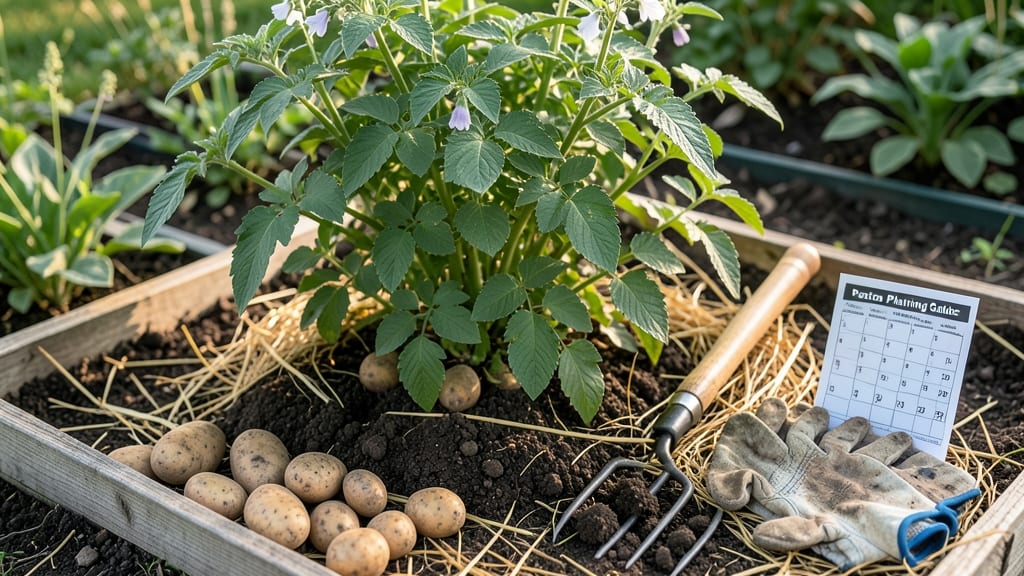
Planting potatoes in Zone 5 at the wrong time can mean the difference between a bountiful harvest and wasted effort. The key isn't just when to stick them in the ground—it's understanding how soil temperature, frost risks, and your local climate all play a role in timing.
Most gardeners know spring is the classic window, but did you realize you can also plant in late summer for a second harvest? I’ve tested both methods in my own garden, and the results might surprise you—especially when it comes to varieties like Yukon Gold that thrive in cooler weather.
In this guide, I’ll break down the exact spring planting window (with soil temp thresholds you can’t miss) and when fall plantings make sense for your region. Whether you’re in the Midwest or upstate New York, these tips will help you avoid common mistakes and maximize your yield.
Ready to grow more potatoes with less guesswork? Let’s dive into the science-backed schedule that’s worked for me—and could work for you too.
Optimal spring planting dates for potatoes in Zone 5
In Zone 5, spring potato planting starts when the soil warms to at least 45°F—typically between late April and early May. This timing ensures your seed potatoes avoid frost damage while giving them enough time to mature before fall's first frost.
For northern Zone 5 areas (like Upstate New York), aim for May 1-15, while southern regions (like Chicago) can plant as early as late April.
Cold-hardy varieties like Yukon Gold or Red Pontiac can handle cooler soils, but traditional types (e.g., Russet) need warmer conditions to sprout consistently. Always check your last frost date—planting 2-3 weeks before ensures a safe window for growth.
Here’s how to prep your seed potatoes for planting: Cut larger tubers into 2-ounce pieces, each with at least 2 eyes, and let them chit (sprout) in a bright, cool spot for 2-3 weeks before planting. This jumpstarts growth and speeds up harvests.
Soil temperature is critical—use a soil thermometer to confirm it’s above 45°F at 4-inch depth. If it’s cooler, wait a few days or use black plastic mulch to warm the soil faster. Planting too early in cold soil can lead to rot or poor germination.
For a second harvest, some gardeners plant a late-summer crop (August-September), but this requires fast-maturing varieties (90 days or less) and careful timing to avoid early frosts. We’ll cover this in detail in the next section.
After planting, hill soil around stems when they reach 6 inches tall to encourage tuber formation and prevent greening. Use loose, well-draining soil mixed with compost to avoid compacting roots. Water deeply 1–2 times per week, keeping soil moist but not soggy.
Watch for early blight or potato beetles—apply neem oil or row covers if pests appear. Harvest new potatoes when plants flower, or wait for full maturity (typically 90–120 days) for larger tubers.
Pro tip: Plant early varieties (like Early Girl) for a June harvest, then succession-plant mid-season varieties (like Kennebec) for a late-summer crop. This extends your harvest window and maximizes yield.
In Zone 5, spring planting is all about balance—plant early enough to avoid frost, but not so early that cold soil stalls growth. With the right timing and care, you’ll enjoy homegrown potatoes from summer through fall!
Fall planting potatoes in Zone 5: a risk-reward guide
Fall planting potatoes might sound risky, but in Zone 5, it can actually give you a second harvest when summer crops are winding down. The key is timing—plant too early, and your potatoes won’t mature before frost.
Too late, and they’ll rot in the cold soil. I’ve found that late August to mid-September works best for most of Zone 5, especially in regions like upstate New York or northern Illinois.
Why bother with fall planting? Well, you’ll avoid summer pests like Colorado potato beetles, and cooler temperatures actually sweeten the tubers. Plus, you can extend your harvest into October or even November if you choose the right varieties.
Just be prepared for a shorter growing season—most fall-planted potatoes need 60-75 days to mature.
Not all potato varieties handle fall planting equally. Yukon Gold and Kennebec are top performers because they mature faster and tolerate cooler soil. Avoid late-maturing varieties like Russet Burbank, which won’t have time to bulk up before frost.
I’ve had great luck with Red LaSoda too—it’s disease-resistant and thrives in cooler weather.
To succeed with fall planting, start by testing your soil temperature. Use a soil thermometer—potatoes won’t sprout until the soil hits 45°F (7°C). If your soil is still warm, wait a week or two before planting.
I like to add compost or well-rotted manure to give the potatoes a nutrient boost during their shorter growing window.
One trick I’ve learned is to plant deeper in fall than you would in spring—about 4-6 inches deep—to protect the tubers from temperature swings. Mulch heavily with straw or leaves to insulate the soil and keep moisture consistent.
If frost threatens before harvest, cover the plants with row fabric or old blankets for a few extra weeks.
Harvest your fall potatoes as soon as the tops die back or when the ground freezes. Dig carefully to avoid bruising the tubers, and let them cure in a cool, dark place for a week before storing.
With the right timing and variety, fall planting can be just as rewarding as spring—sometimes even more so! Just remember: patience and preparation are key.