
Plants
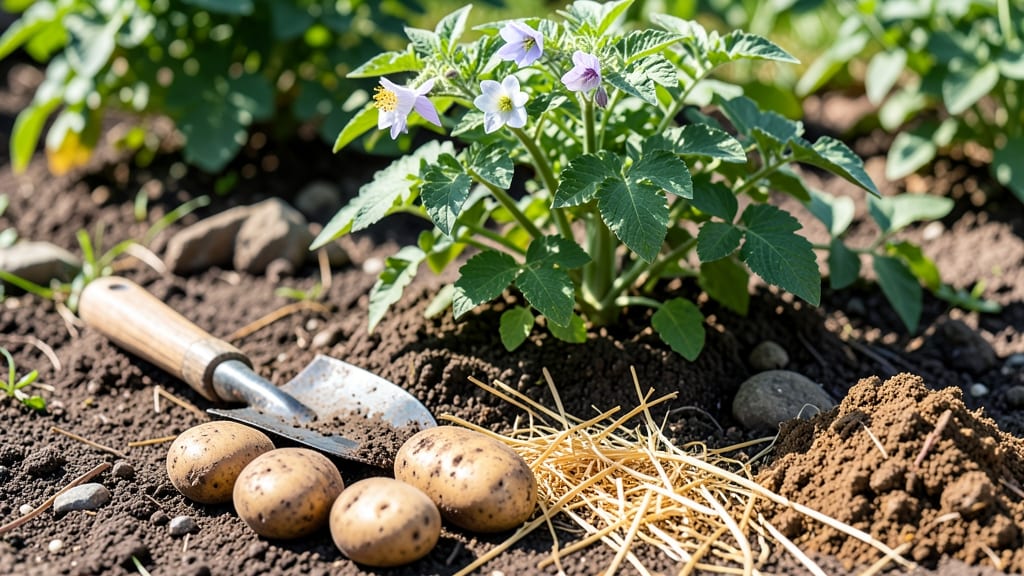
Planting fall potatoes in Virginia isn’t just about timing—it’s about outsmarting the clock before frost sets in. With the right soil temperature tricks, you can grow crisp, harvest-ready 🥔 tubers in time for Thanksgiving dinner, even in Zone 7a-8a’s unpredictable climate.
Most gardeners wait until September, but the sweet spot for fall potatoes in Virginia is actually mid-August to early September. Why? Because soil temperatures need to stay between 50-65°F for optimal tuber development—too hot, and they’ll rot; too cold, and growth stalls.
Here’s the game-changer: fast-growing varieties like Yukon Gold or Kennebec can mature in just 90 days, giving you a head start on frost.
I’ll show you how to test soil temps, pick the right varieties, and adjust planting for your specific Virginia region—whether you’re in Richmond’s Piedmont or Norfolk’s Coastal Plain.
Skip the guesswork and get a foolproof plan to harvest potatoes before the first frost hits. Let’s dive into the exact steps to make this fall’s harvest your best yet.
Best planting dates for fall potatoes in Virginia based on soil temperature
Virginia’s fall potato success hinges on soil temperature, not just calendar dates. Unlike spring planting, fall potatoes need cooler soil—50-65°F—to resist rot while still growing fast enough to mature before frost.
In USDA Zones 7a-8a, this means planting 4-6 weeks before your first frost date, typically between mid-August and early September.
The key? Soil temperature, not air temperature. Even if August feels hot, underground temps might still be too warm for fall potatoes. For example, Richmond’s first frost usually hits November 15, but soil stays warm until mid-September.
Planting in early September gives tubers 8-10 weeks to mature before frost, while still avoiding the heat stress of July.
Regional differences matter. In Roanoke’s cooler highlands (Zone 7a), aim for late August planting—soil cools faster. Meanwhile, Norfolk’s coastal warmth (Zone 8a) allows early September planting with a slightly longer harvest window. Always check your local first frost date and count backward 90 days for maturity.
| Region | USDA Zone | Ideal Planting Window | Soil Temp Goal (°F) | First Frost |
|---|---|---|---|---|
| Richmond | 7b-8a | Mid-August to early Sept | 50-65°F | Nov 15 |
| Roanoke | 7a | Late Aug to mid-Sept | 45-60°F | Nov 1 |
| Norfolk | 8a | Early to mid-Sept | 55-65°F | Nov 25 |
Use this soil temperature rule: Wait until soil drops below 65°F at a 4-inch depth. Test with a soil thermometer (or your finger—cool but not cold).
If soil is still 70°F+, delay planting to avoid rot-prone conditions. Pro tip: Morning soil temps are most reliable for planting decisions.
For high-altitude areas (e.g., Blue Ridge Mountains), plant 2 weeks earlier—cooler nights speed up soil cooling. In low-lying valleys, soil stays warm longer; opt for late-maturing varieties like Yukon Gold to maximize your window. Always mulch heavily (straw or leaves) to regulate soil temps and retain moisture.
Timing isn’t just about frost—it’s about tuber development. Potatoes need 80-100 days from planting to harvest. If you plant too late, tubers won’t reach baking size before frost.
For storage potatoes, aim for larger tubers (plant early September); for new potatoes, plant late August and harvest small.
Watch for false starts: A warm spell in October can trick you into thinking frost is far off. Use a frost calendar (like Almanac’s) and adjust planting dates if early frosts threaten.
In Zone 7a, a light frost can kill tops but still allow tuber harvest—just dig immediately after frost.
Remember: Soil temperature > air temperature. Even if September feels crisp, underground heat can delay growth. For foolproof timing, plant two batches: one in late August (for early harvest) and another in early
Best planting dates for fall potatoes in Virginia based on soil temperature
Virginia’s fall potato success hinges on soil temperature—aim for 50-65°F at planting time. Too warm, and tubers rot; too cool, and growth stalls. In USDA Zones 7a-8a, this translates to mid-August to early September for most regions, with adjustments needed for highland vs. coastal areas.
For Richmond (Zone 7b), target August 15-25 when soil warms to 55-60°F. In Roanoke (Zone 6b), wait until late August when temperatures stabilize above 50°F. Coastal areas like Norfolk (Zone 8a) can plant as late as early September due to milder microclimates.
🌱 Virginia Fall Potato Planting Guide
| Region | Ideal Planting Window | Soil Temp Range (°F) | Days to Harvest |
|---|---|---|---|
| Richmond (Zone 7b) | Aug 15-25 | 55-60°F | 80-90 days |
| Roanoke (Zone 6b) | Aug 25-Sept 5 | 50-55°F | 70-80 days |
| Norfolk (Zone 8a) | Sept 1-10 | 55-62°F | 90-100 days |
Use a soil thermometer to verify temperatures—plant when readings hit 50°F at 6-inch depth. For high-altitude areas like Blacksburg (Zone 6a), delay until early September when frost risk drops below 20% probability. Always plant 4-6 weeks before first frost (typically November 15 in Virginia).
Pro tip: Black plastic mulch can raise soil temps by 5-10°F, extending your planting window by 1-2 weeks in cooler zones. Lay it down 1 week before planting to warm the soil faster. This trick works especially well for late August plantings in Zone 6b areas.
For fastest growth, choose early-maturing varieties like Yukon Gold (80 days) or Red Pontiac (75 days). These tolerate cooler soils better than Russet varieties, which need 60°F+ for optimal tuber formation. Always cut seed potatoes into 1-2 oz chunks with 2-3 eyes per piece before planting.
Remember: Harvest before hard frost—even cold-hardy varieties won’t store well after 28°F soil temps. Aim to dig potatoes 2-3 weeks before first frost for peak flavor and storage potential. Curing at 55-60°F for 1-2 weeks after harvest improves skin toughness.