
Plants
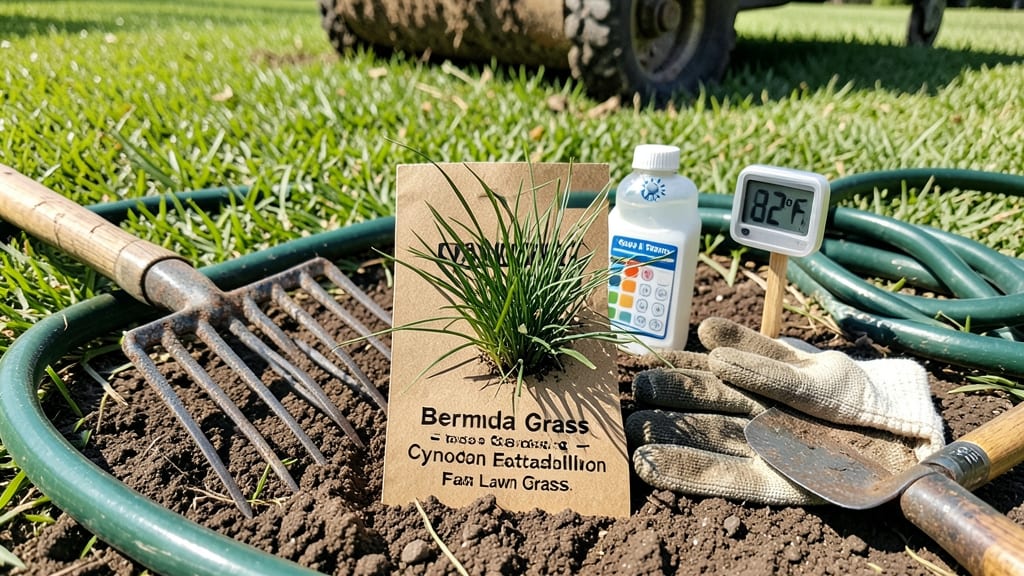
Planting grass seed in Florida isn’t just about grabbing a bag and scattering—it’s about timing it right to beat the heat, droughts, and even hurricane season.
The best time to plant grass seed in Florida isn’t what you’d guess: skipping the sweltering summer means your 🌱 turfgrass stands a real chance to thrive instead of wilting within days.
Florida’s climate zones—from North FL’s 8a to South FL’s 10a-11—create a tricky balance, but the secret lies in cool-season windows. Early fall and late winter offer ideal soil temperatures (60-75°F) and moisture, giving seeds the perfect environment to germinate without fighting Florida’s infamous summer stress.
Miss this window, and you’re basically asking for patchy, weak grass.
I’ve seen firsthand how a well-timed planting can turn a struggling lawn into a lush carpet—even in Florida’s humidity. Whether you’re seeding a new yard or repairing bare spots, this guide will walk you through the exact months, prep steps, and grass types that work best for your region.
No more guessing games.
Ready to ditch the hit-or-miss approach? Let’s break down the cool-season strategy that’ll give you the greenest lawn Florida has to offer—without the summer burnout.
Florida’s optimal grass-seeding windows: cool-season timing explained
Timing your grass seeding in Florida isn’t just about picking a month—it’s about leveraging the state’s two cool-season windows when conditions are perfect for germination. The ideal soil temperatures for grass seed are between 60–75°F, which aligns with Florida’s early fall (August–October) and late winter (February–March).
Outside these windows, your seed faces heat stress, drought, or hurricane risks, all of which can derail your lawn’s success.
In North Florida (USDA Zones 8a–9a), where cooler temperatures linger slightly longer, you can extend seeding into November or even January if frost isn’t a concern. Meanwhile, Central and South Florida (Zones 9b–11) have shorter cool seasons, so timing is even more critical.
Planting in May–July is a common mistake—high temperatures cause seeds to dry out before sprouting, and fungal diseases thrive in the humidity.
Here’s why these windows work: Fall seeding gives grass roots time to establish before winter, while spring planting capitalizes on Florida’s natural rainfall boost. Both periods avoid the peak summer heat (85°F+) that can bake seeds into the soil, leaving them unable to germinate.
🌱
Regional differences in Florida mean your North Florida lawn might thrive with a November seeding, while South Florida gardeners should aim for late February to avoid summer’s relentless heat.
For example, St. Augustinegrass (a South Florida staple) germinates best at 70–75°F, while Tall Fescue (common in North FL) prefers 60–68°F. Always check your local USDA Zone to fine-tune timing.
Another critical factor is rainfall patterns. Florida’s wet season (June–September) can drown seeds if planted too late in the fall, while dry spells in spring may require supplemental watering. Plan your seeding to align with natural rainfall peaks—typically September–October or March–April—to reduce your workload.
If you’re seeding in Central Florida, aim for early September to catch the tail end of summer rains without the extreme heat. For South Florida, late February is your best bet, as it avoids the hurricane season (June–November) while still providing warm soil.
In North Florida, you have a bit more flexibility, but October and March remain the gold standards.
One common misconception is that you can seed anytime if you water enough. While consistent moisture is crucial, temperature and humidity play even bigger roles. For instance, seeding in April might seem ideal, but soil temps often spike to 80°F+ by mid-month, stressing young seedlings.
Always prioritize cool-season windows over watering schedules.
To maximize success, pair your seeding with pre-emergent herbicide (applied 2–4 weeks before seeding) to block weeds, and aerate your soil 1–2 weeks prior to improve seed-to-soil contact. These steps ensure your grass gets the head start it needs against Florida’s competitive weeds and compacted soil.
🌿
Florida’s optimal grass-seeding windows: cool-season timing explained
Florida’s climate is a double-edged sword for grass seed—too hot, and your seeds wither; too wet, and fungal diseases take over. The golden windows for planting are early fall (August–September) and late winter (February–March), when soil temps hover between 60–75°F.
This range is perfect for germination and root establishment, while avoiding the brutal summer heat (May–July) that dries out seeds in hours.
North Florida’s cooler microclimates (USDA Zone 8a) can handle late fall (October–November) seeding, but Central and South Florida (Zones 9a–11) should stick to August–September to beat the hurricane season rains and humidity spikes.
Timing isn’t just about temperature—it’s about avoiding stress factors that turn your lawn into a science experiment.
| Season | Ideal Months | Soil Temp (°F) | Regional Notes |
|---|---|---|---|
| Early Fall | August–September | 65–75°F | Best for all FL regions; avoids summer drought. |
| Late Winter | February–March | 60–70°F | North FL only; South FL may see heat stress. |
| Avoid | April–July | >80°F | Seeds dry out; weeds outcompete new growth. |
Why does summer seeding fail? Seeds need consistent moisture to germinate, but Florida’s intense sun and heat evaporate water in hours. Even if you water daily, drought stress causes seeds to bake in the soil or get outcompeted by weeds.
Plus, fungal diseases like brown patch thrive in the humid, hot conditions, turning your lawn into a petri dish of problems.
For North Florida homeowners, late winter (February–March) is a secondary window because cooler temps linger longer. But Central and South Florida should skip this window—temps can spike unpredictably, and hurricane season rains in late summer can wash away seeds or cause waterlogging.
The August–September window is your safest bet for these regions.
Pro tip: Check soil temps with a soil thermometer (aim for 65–75°F) before seeding. If temps are above 80°F, wait—your seeds will struggle to germinate, even with perfect watering. Patience now means a lush lawn later, not a patchy, weed-infested mess.
Regional variations matter! North Florida’s cooler nights (Zone 8a) allow for October seeding, while South Florida’s heat (Zones 10a–11) means September is your last chance. Plan accordingly, and your grass will thrive—not just survive.