
Plants
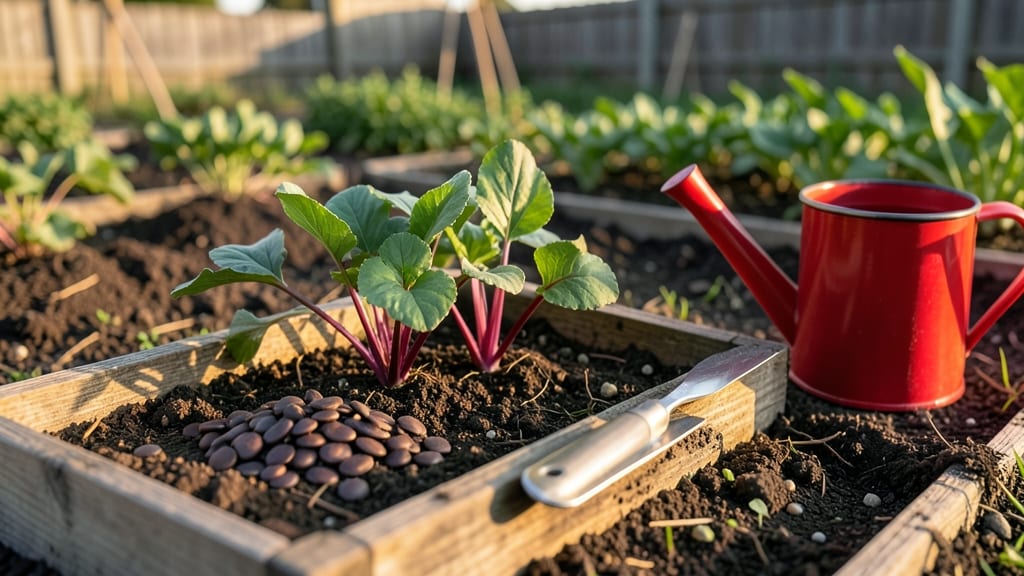
If you’ve ever planted beets in Central Florida only to watch them bolt into bitter, stringy stalks by summer, you’re not alone. The key to growing sweet, tender 🍠 beets lies in timing—specifically, knowing when to plant them to avoid the brutal heat that turns your garden into a sauna.
Most gardeners assume beets thrive in cool weather, but Central Florida’s Zone 9a climate actually lets you grow them twice a year—once in the mild fall and again in the crisp spring.
Planting in September or February gives your beets the perfect window to mature before the heat forces them to bolt, ensuring you harvest plump, flavorful roots instead of tough, fibrous disappointment.
But here’s the catch: even the right timing won’t guarantee success if you don’t account for Florida’s unpredictable weather swings.
I’ll break down the exact months to plant, how to prep your soil for maximum heat resistance, and which beet varieties actually thrive in our sweltering summers—so you can enjoy a steady harvest from November through June without the guesswork.
Ready to turn your garden into a beet bonanza? Let’s dive into the strategies that’ll keep your 🍠 beets happy, healthy, and ready to harvest—no matter how hot it gets.
Best planting months for beets in Central Florida’s climate zones
Central Florida’s USDA Zone 8b-9a climate demands precise timing for beet success. Unlike cooler regions, summer heat forces beets to bolt prematurely, turning sweet roots bitter. My fall and spring windows are your golden opportunities—avoid planting between April and October unless using heat-tolerant varieties.
Beets thrive when soil temps stay between 50°F and 75°F. In Central Florida, this means focusing on September-October for fall crops and February-March for spring. Summer planting risks bolting, while late fall crops may struggle before frost. Let’s break down the exact months and microclimate adjustments.
🌱 Key Insight: Central Florida’s humidity and summer heat create unique challenges. Even shade won’t prevent bolting during peak heat—timing is your best defense.
| Season | Best Months | Soil Temp | Key Considerations |
|---|---|---|---|
| Fall | September, October | 65°F-75°F | Avoid planting after October 15—days shorten, slowing growth |
| Spring | February, March | 55°F-65°F | Start seeds indoors in January for earlier transplanting |
| Summer (Risky) | June, July (shade only) | Above 80°F | Use 50% shade cloth and heat-resistant varieties like 'Boltardy' |
| Winter | December (light frost) | Below 50°F | Mulch heavily to protect roots from light frosts (Zone 9a) |
For fall planting, aim to harvest before December 15—Central Florida’s first frost date. Beets planted in late September will mature by November, while October plantings may need row covers to extend the season. I’ve had success with succession planting every 2 weeks in September for continuous harvests.
Spring planting requires patience. Start seeds indoors in January under grow lights, then transplant outdoors after February 15 when soil warms. Direct sowing in March works but risks bolting if temps spike. My go-to method is transplanting hardened seedlings to avoid heat stress.
Central Florida’s microclimates play a huge role. Coastal areas (like Cocoa Beach) can handle slightly later plantings due to ocean breezes, while inland zones (like Lakeland) need earlier starts. Always check your last frost date—Central Florida’s varies by 1-2 weeks depending on elevation.
One critical mistake I’ve seen is planting beets in August or early September without shade. The combination of 90°F+ soil temps and long days triggers bolting within 3-4 weeks. If you’re determined to grow summer beets, invest in shade cloth and drip irrigation to keep soil cool and moist.
For year-round harvests, pair fall and spring plantings with succession sowing. Plant every 2 weeks in September and February to stagger maturity. This ensures fresh beets from November through June—perfect for Florida’s mild winters and early springs.
Pro tip: Use a soil thermometer to confirm temps. Beets won’t germinate well below 50°F or above 85°F. My ideal range is 60°F-70°F for consistent germination.
🌿 Remember: Central Florida’s humidity means beets are prone to leaf diseases like powdery mildew. Space plants 4 inches apart and water at the base to keep foliage dry.
Best planting months for beets in Central Florida’s climate zones
Central Florida’s USDA Zones 8b-9a offer two prime windows for growing beets: cool fall/winter and mild spring. The key is avoiding summer heat, which triggers bolting (premature flowering). My best months are September-October for fall and February-March for spring, when daytime temps stay below 80°F.
Fall plantings benefit from cooler nights and consistent rainfall, while spring’s lengthening days give beets time to mature before summer’s heat sets in. Microclimates matter: Coastal areas like Daytona Beach can handle slightly later spring plantings, while inland Orlando should stick to cooler windows to prevent stress.
Here’s my exact planting timeline for Central Florida:
| Season | Planting Window | Key Considerations |
|---|---|---|
| Fall | September 15 – October 15 | Soil temps <68°F; harvest by Dec 15 |
| Spring | February 15 – March 15 | Avoid planting after March 30; risk of bolting |
| Summer (Risky) | June – August | Only for heat-resistant varieties with shade |
For year-round harvests, I use succession planting every 2-3 weeks during fall and spring windows. Start with small batches to test soil conditions—Central Florida’s sandy soils dry out fast, so I always amend with compost for moisture retention.
Watch for frost warnings after December 15. While beets tolerate light frosts (28°F), they’ll suffer in hard freezes. If frost hits, cover plants with row fabric or harvest before temps drop below 30°F.
Pro tip: Direct-sow seeds—beets hate transplanting. Scatter seeds ½-inch deep, thin seedlings to 3-4 inches apart, and keep soil moist. With the right timing, you’ll enjoy harvests from November-March and May-June!