
Plants
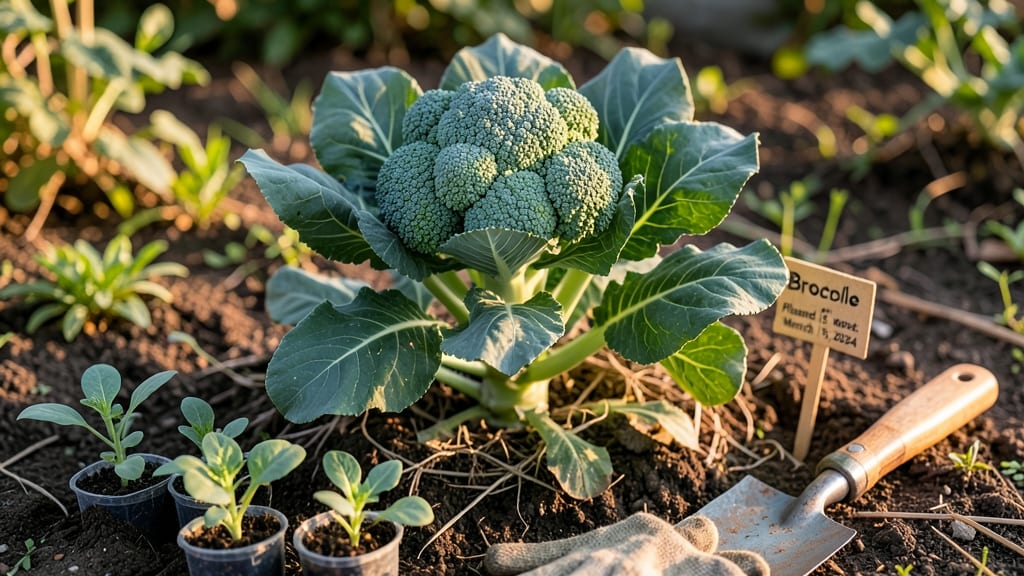
Planting broccoli in Central Florida’s 9a-10a heat zones might seem tricky—after all, those summer temperatures can turn your seedlings into sad, wilted memories. But here’s the secret: timing your 🥦 broccoli just right means you can enjoy a bountiful harvest even in the Sunshine State.
The key is avoiding Florida’s brutal heat while working with its mild winters. Whether you’re a first-time gardener or a seasoned green thumb, knowing the exact windows—late summer to early fall and winter—will make all the difference.
No frost to worry about here, but microclimates can still throw a curveball if you’re not careful.
In this guide, I’ll break down the perfect planting schedule for your zone, plus pro tips to keep your broccoli thriving. From soil prep to shade tricks, we’ll cover everything so you can go from seed to salad bowl without the stress. Let’s get those 🥦 broccoli crowns growing!
Ready to skip the guesswork? Stick around—I’ll show you how to plant broccoli in Central Florida like a local, with varieties that actually love the heat and techniques to stretch your harvest season. No more wasted seeds or bolted plants—just happy, healthy 🥦 broccoli all year round.
Best planting windows for broccoli in Central Florida’s heat-zone 9B
Central Florida’s Heat Zone 9B presents unique challenges for broccoli growers. Unlike northern climates, we don’t have to worry about frost, but the summer heat (90°F+ temperatures) can cause broccoli to bolt prematurely or struggle to form heads.
The key is planting during cooler months when temperatures stay between 60°F and 75°F—ideal for broccoli’s growth.
Broccoli thrives in Florida’s fall and winter seasons, but timing is critical. Plant too early in summer, and your seedlings will wilt under the sun. Plant too late in spring, and you’ll miss the optimal 60-day growth window before summer heat sets in.
Let’s break down the best planting windows to ensure a successful harvest.
⚠️ NON-NEGOTIABLE: Broccoli hates heat. If you plant in summer, use shade cloth (30-50%) and drip irrigation to protect seedlings. Without these, your plants will bolt or die within weeks.
| Planting Window | Optimal Transplant Dates | Temperature Range (°F) | Harvest Window | Notes |
|---|---|---|---|---|
| Fall Planting | August 15 – September 30 | 70–85°F (day), 60–70°F (night) | November – January | Best for large heads. Use morning sun to avoid afternoon heat. |
| Winter Planting | December 1 – January 15 | 60–75°F (day), 50–60°F (night) | February – April | Ideal for smaller heads. Protect from cold snaps (below 40°F). |
| Spring Planting (Risky) | February 15 – March 15 | 75–85°F (day), 65–70°F (night) | April (limited) | High bolt risk. Use shade cloth and drip irrigation. |
For fall planting, start seeds indoors 6–8 weeks before transplanting (around July 1–15) to give seedlings a head start. Harden them off for 7–10 days before moving to the garden. Transplant in late August to avoid 90°F+ temperatures, which stress young plants.
If you’re planting in winter, choose December 1–15 for the best balance. Broccoli grows slower in cooler weather, but you’ll avoid the heat stress of spring. Mulch heavily (3–4 inches of straw or wood chips) to protect roots from temperature swings and retain moisture.
One pro tip: In Central Florida, succession planting works well for broccoli. Sow a second batch in mid-September for a winter harvest, and a third batch in early December for a spring harvest. This stretches your growing season and ensures a steady supply of fresh broccoli.
Remember, broccoli is a cool-season crop, so it won’t tolerate summer heat. If you attempt summer planting, pair it with 50% shade cloth and drip irrigation to give your plants a fighting chance. Without these, your broccoli will bolt (flower prematurely) or wilt within weeks.
For soil prep, broccoli thrives in well-draining, slightly acidic soil (pH 6.0–7.0). Amend your garden bed with compost or aged manure before planting. Add a slow-release fertilizer (5-10-10) at transplanting to give your plants a nutrient boost
Best planting windows for broccoli in Central Florida’s heat-zone 9B
Central Florida’s Heat Zone 9B offers two prime windows for growing broccoli: fall and winter. Unlike northern climates, we avoid summer planting—broccoli hates heat over 85°F. The key is to plant when daytime temps stay between 60°F and 75°F for optimal head formation.
For fall crops, start seeds indoors 8-10 weeks before your target transplant date (mid-August to early September). This gives seedlings time to mature before cooler weather arrives. Transplant outdoors by late September to ensure heads form before winter sets in.
For winter crops, plant seeds directly in the garden from December through January. These plants will thrive in Central Florida’s mild winters, producing harvests from February to April. Avoid planting after February 15th, as rising temperatures trigger bolting.
| Season | Planting Window | Transplant Date | Harvest Window | Key Tip |
|---|---|---|---|---|
| Fall | Indoors: July-August | Late Sept - Early Oct | Nov - Dec | Use shade cloth if temps exceed 80°F |
| Winter | Outdoors: Dec - Jan | Direct sow | Feb - April | Mulch heavily to retain moisture |
Central Florida’s microclimates play a big role in success. Coastal areas like Cocoa Beach stay warmer longer, while inland spots like Orlando cool faster. Adjust your planting dates 1-2 weeks earlier in inland zones to avoid heat stress.
Never skip soil prep! Broccoli thrives in well-draining, slightly acidic soil (pH 6.0-7.0). Amend your beds with compost and aged manure before planting. Add a 2-inch layer of mulch to lock in moisture and regulate soil temps.
Pro tip: Use shade cloth (30-50%) during summer months if you must plant early. This buys you 2-3 extra weeks of viable growth before bolting occurs. Pair your broccoli with bush beans or lettuce to maximize space and improve yields.