
Plants
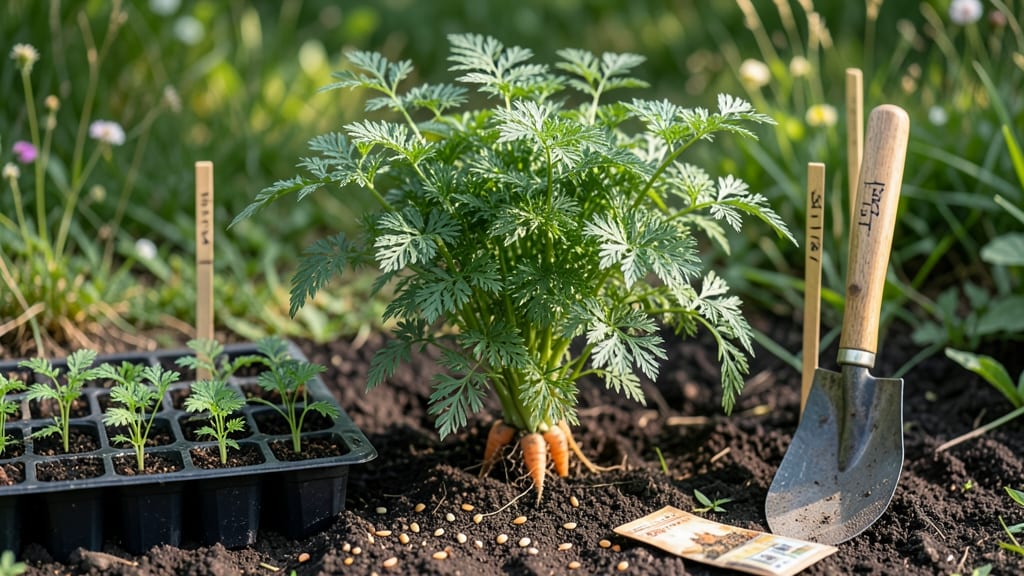
Planting carrots in Central Florida’s warm winters might seem tricky—after all, you don’t want them bolting before they’re ready to harvest. But with the right timing, you can grow crisp, sweet 🥕 all the way from fall through spring, even without frost.
The key is understanding how Florida’s mild climate (Zones 9a-10a) affects your planting schedule. Unlike colder regions, you can skip the spring rush and focus on cooler months when temperatures stay perfect for root development. I’ve tested the best windows over the years, and what works here might surprise you.
In this guide, I’ll break down the exact months to plant for maximum success, including heat-tolerant varieties that won’t give up in Florida’s summer heat. Whether you’re a first-timer or a seasoned gardener, these tips will help you avoid common mistakes and grow carrots that are both bountiful and delicious.
Ready to dig in? Let’s get those seeds in the ground at the perfect time—no more wasted effort, just crisp, homegrown carrots all season long.
Best planting times for carrots in Central Florida’s climate Zones 8b-9a
Central Florida’s mild winters and hot summers create a unique growing window for carrots. Unlike northern climates, we can grow them year-round with the right timing—but fall and winter are your best bets.
The key is avoiding extreme heat (above 85°F) and frost risks, even though they’re rare in USDA Zones 8b-9a.
I’ve grown carrots in Orlando, Tampa, and Gainesville for years, and the sweet spot is September through March. This gives seedlings time to establish before summer’s brutal heat. Spring planting (March-April) works too, but you’ll need shade cloth or succession planting to beat the heat.
Here’s the golden rule: Soil temps should stay between 50°F and 75°F for ideal germination and growth. Use a soil thermometer to check—if it’s above 80°F, wait or use heat-tolerant varieties.
Pro Tip: In Central Florida, September-October is prime time. Start seeds indoors 4-6 weeks before your target date, or direct-sow when soil cools below 85°F. For winter crops, aim for November-December to harvest before spring heat arrives.
🌱 Carrot Planting Timeline for Central Florida
| Season | Best Months | Soil Temp | Notes |
|---|---|---|---|
| Fall | September-October | 60°F-75°F | Ideal germination; avoid summer heat |
| Winter | November-February | 50°F-70°F | Mild temps; protect from rare frost |
| Spring | March-April | 65°F-75°F | Use shade cloth; succession plant |
| Summer | August (heat-tolerant varieties only) | 70°F-78°F | Risk of bolting; mulch heavily |
In Tampa’s coastal climate, you can push spring planting later (into April) thanks to warmer microclimates. Meanwhile, Gainesville’s higher elevation may need earlier fall starts (late August) to avoid September heat.
Always check your local frost dates—though rare, a light frost in January can damage young plants.
For container gardening, timing shifts slightly. Potted carrots dry out faster, so spring and fall are safer. Use 5-gallon pots with well-draining mix and daily watering to mimic ideal soil moisture. I’ve had success with ‘Paris Market’ in 10-inch pots during winter months.
One common mistake is planting too close to summer solstice (June). Carrots bolt (go to seed) when days lengthen, and Florida’s humidity + heat = rot-prone roots. If you’re desperate for summer harvest
Best planting times for carrots in Central Florida’s climate Zones 8b-9a
Central Florida’s warm winters and long growing season make fall and winter the perfect windows for carrot cultivation. Unlike northern climates, we avoid spring planting—heat causes bolting and bitter roots. Instead, focus on September through March when temperatures stay mild (60°F–75°F).
Your USDA Zone 8b-9a means frost is rare, but microclimates near lakes or higher elevations (like Gainesville) may experience light frosts in January. Use these as harvest cues rather than planting triggers. Orlando and Tampa gardeners have 300+ frost-free days, giving you flexibility to extend harvests.
Here’s your month-by-month breakdown for successful carrot planting in Central Florida:
| Month | Ideal Planting Window | Temperature Range (°F) | Notes |
|---|---|---|---|
| September | Late Aug–Early Sept | 75–85°F | Start heat-tolerant varieties before summer heat peaks. |
| October | Entire month | 70–80°F | Best harvest window—roots mature before winter. |
| November | Early–Mid Nov | 65–75°F | Plant for winter harvests—avoid late Nov in cooler microclimates. |
| December–February | Mid-Dec–Early Feb | 55–70°F | Slow growth—use mulch to retain warmth. |
| March | Early March | 60–75°F | Last chance—shade cloth helps prevent bolting. |
Avoid planting in April or May—rising temperatures (>85°F) trigger bolting (flowering) and woody roots. If you crave summer carrots, try shade-loving varieties like ‘Paris Market’ under 30% shade cloth or in raised beds with afternoon shade.
Pro tip: Sow seeds every 2 weeks from September to March for a continuous harvest. Thin seedlings to 2–3 inches apart to prevent crowding, which stunts root growth. Use a moisture meter to keep soil consistently damp—Florida’s sandy soil drains too fast!
For Orlando’s heat islands, plant 1–2 weeks earlier than Tampa’s coastal areas. Monitor your local Weather Underground station for heatwave alerts—even brief spikes above 90°F can stress young seedlings.