
Companion Plants
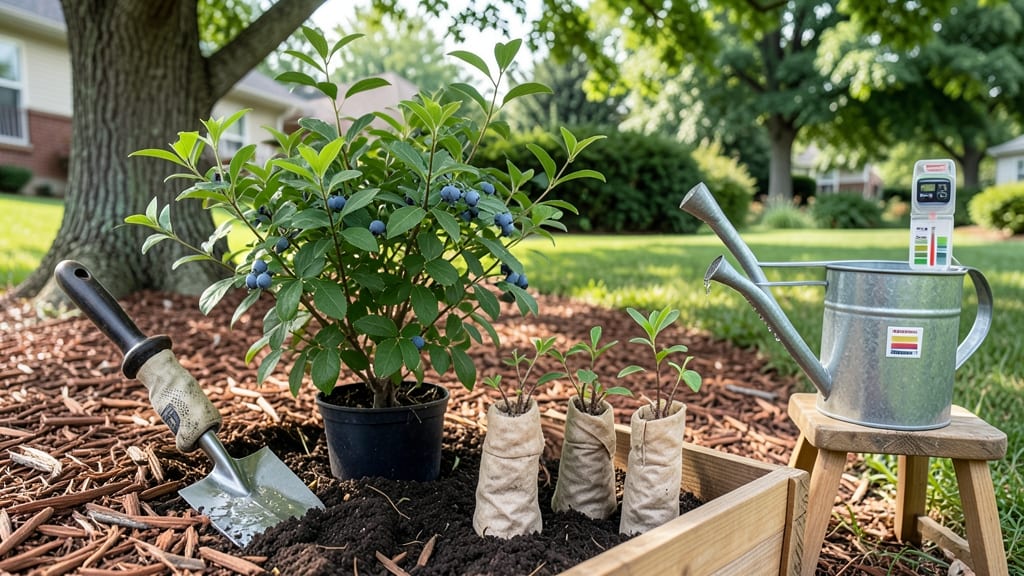
Planting blueberries in Zone 9’s scorching summers isn’t just possible—it’s thriving with the right timing and heat-tolerant varieties. The key to success lies in understanding when to plant those 🫐 bushes so they establish strong roots before the heat peaks.
Most gardeners in Southern California, Phoenix, or Las Vegas make the mistake of planting too late, leaving their blueberries struggling through the first brutal summer. But if you time it right—between late fall and early spring—you’ll give your plants the best chance to flourish.
In this guide, I’ll walk you through the exact planting windows that work best for Zone 9’s unique microclimates, from coastal areas to inland deserts. You’ll also discover which blueberry varieties handle the heat like champions and how to prepare your soil for maximum success.
Whether you’re a beginner or a seasoned gardener, these tips will help you avoid common pitfalls and grow blueberries that produce year after year—even in the hottest climates.
Best planting windows for blueberries in Zone 9’s hot climate
Zone 9’s relentless heat makes timing everything when planting blueberries—late fall to early spring is your sweet spot. Planting in November through February lets roots establish before summer’s peak, while avoiding the stress of 100°F+ temperatures.
I’ve learned the hard way that summer planting often leads to transplant shock and stunted growth.
For bare-root blueberries, aim for December to February when soil is cool but workable. Potted plants, however, can handle late winter (March) as long as you provide afternoon shade. Coastal areas like San Diego may extend planting into early spring, while inland deserts like Phoenix should stick to winter.
Here’s the key: chilling hours matter. Most blueberries need 200-400 hours below 45°F to fruit well. Zone 9’s mild winters mean you’ll need heat-tolerant varieties that can handle partial dormancy. Without enough chill, your plant may bloom but fail to set fruit.
Microclimates complicate things. A shaded backyard in Los Angeles might support spring planting, while a full-sun desert garden in Palm Springs demands winter timing. Always check your local last frost date—even Zone 9 has rare cold snaps that can damage new plants.
| Planting Method | Best Months | Soil Temp | Key Tips |
|---|---|---|---|
| Bare-Root | Dec-Feb | 50-60°F | Soak roots 4+ hrs before planting |
| Potted Plants | Nov-Mar | 55-70°F | Remove from pot; trim circling roots |
| Container Grown | Feb-Apr | 60-75°F | Use 5-gal pots; add shade cloth |
🌱 Pro Tip: Mulch with pine bark (pH 4.5-5.5) to retain moisture and regulate soil temp
Spring planting in Zone 9 is risky but doable if you choose early March for potted plants. The goal is to get roots established before April’s heat spike. I’ve had success with drip irrigation running 24/7 for the first 2 weeks post-planting—it mimics natural rainfall and prevents shock.
Don’t overlook container gardening for urban gardeners. Pots give you flexibility to move plants to shade during peak heat. Just ensure containers are at least 18 inches deep with drainage holes, and use a lightweight potting mix amended with peat moss or sulfur for acidity.
One mistake I see often? Planting blueberries in full sun without shade. Even heat-tolerant varieties need afternoon relief. A 30% shade cloth or nearby trees can make the difference between thriving and struggling plants. Test your spot’s shade patterns for at least a week before planting.
Remember: blueberries hate competition. Space plants 4-6 feet apart in-ground or 2-3 feet in containers to prevent root crowding. Overcrowding leads to poor air circulation, inviting fungal diseases like botrytis that thrive in Zone 9’s humidity.
Finally, mark your calendar for late February—that’s when I start prepping soil for spring planting. Work in composted pine needles and sulfur to maintain that acidic pH. Your blueberries will thank you with juicy berries by June!
Best planting windows for blueberries in Zone 9’s hot climate
Zone 9’s intense heat makes timing everything for blueberries critical. Planting in the wrong season can stress your shrubs, delay fruiting, or even kill them before they establish roots. My strategy? Plant between November and February—when cooler temps and winter rains give roots a fighting chance.
Bare-root blueberries are most vulnerable to summer heat, so I always plant them in late fall or early winter (November-December). Potted plants, however, can handle late winter planting (January-February) better because their root systems are already established. The key is avoiding summer heat at all costs.
📅 Planting Window Comparison for Zone 9 Blueberries
| Season | Best Planting Months | Plant Type | Why It Works |
|---|---|---|---|
| Fall | November-December | Bare-root | Cooler temps reduce transplant shock; winter rains help root establishment. |
| Winter | January-February | Potted | Established roots handle mild winter better; avoids summer heat stress. |
| Spring | March-April (risky) | Potted only | Only attempt with drip irrigation and afternoon shade; high failure rate. |
Microclimates in Zone 9 create wildly different conditions. Coastal areas like San Diego have milder winters, so I plant bare-root blueberries in December when daytime highs stay below 70°F. Inland cities like Phoenix, however, need January planting to avoid the 100°F+ summers that follow.
If you’re in a hot inland microclimate, consider container gardening—it lets you move plants to shaded areas during peak heat. I’ve had success with 5-gallon pots on casters, rolling them under drip irrigation and shade cloth when temps exceed 95°F.
The trade-off? More frequent watering (every 2-3 days in summer).
Don’t forget chilling hours—most blueberries need 200-400 hours below 45°F to fruit. In Zone 9, this means winter dormancy is non-negotiable. If your area gets fewer than 200 hours (common in Southern California deserts), choose low-chill varieties like ‘Misty’ or ‘O’Neal’.
Pro tip: Mulch heavily (4-6 inches of pine bark or wood chips) to keep roots cool. I’ve seen root temperatures drop 10°F with proper mulching during summer heatwaves. Pair this with drip irrigation running early morning, and your blueberries will thank you with years of fruit.