
Plants
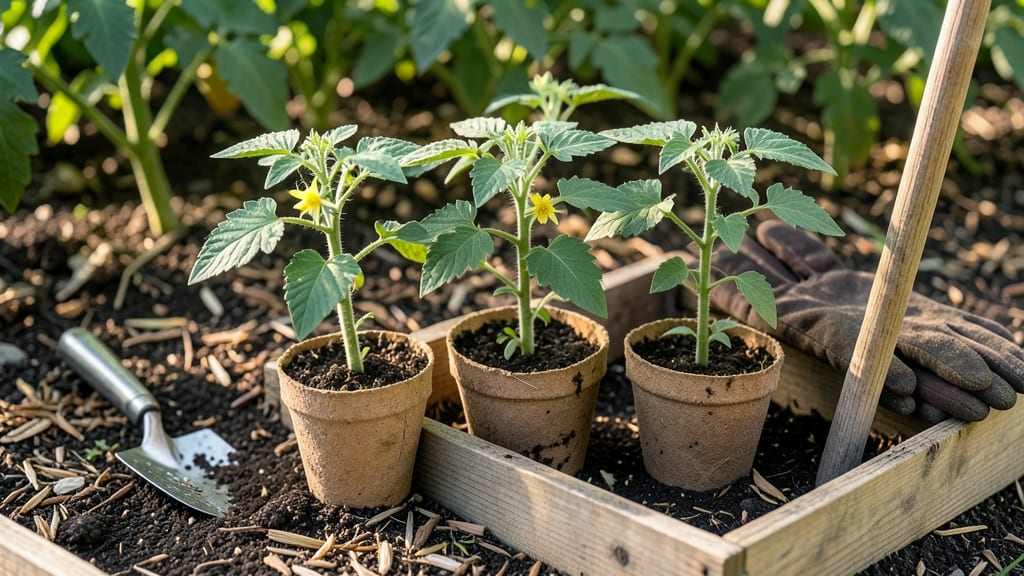
Planting tomatoes in Florida at the wrong time means wrestling with wilted vines or fruit that cracks under the relentless sun—not the juicy harvest you crave.
The key isn’t just picking a month; it’s mastering Florida’s two distinct planting seasons (spring and fall) while dodging summer’s scorching downpours and winter’s rare but chilly surprises.
I’ve grown 🍅 tomatoes here for years, and the difference between a thriving plant and a struggling one comes down to timing, heat-tolerant varieties, and soil prep.
Whether you’re in the Panhandle’s cooler zones or Miami’s steamy heat, this guide cuts through the guesswork to give you exact transplant dates and regional tweaks for maximum yields.
You’ll learn when to start seeds indoors, how to tell if your soil is ready (hint: it’s not just about temperature), and which varieties hold up best when Florida’s thermometer hits 95°F. No more wasted effort—just science-backed steps to turn your garden into a tomato powerhouse.
Let’s get to the exact months you should be planting, plus the secrets to beating humidity, pests, and Florida’s quirky weather—so you can enjoy homegrown tomatoes from March to November.
Florida’s best planting windows for tomatoes: exact months by region (north vs. Central vs. south)
Florida’s climate varies dramatically from the Panhandle’s cooler winters to South Florida’s tropical summers, so planting times must adapt. North Florida gardeners face frost risks until March, while South Florida can plant year-round—but summer heat still demands strategy.
The key? Transplanting after soil warms to 60°F and avoiding peak summer’s 90°F+ downpours that drown seedlings.
For North Florida (USDA Zones 8a-9a), aim for transplanting in late February to early April for spring harvests. This region’s last frost typically hits January 15–March 1, so wait until two weeks after your area’s average last frost date.
Fall planting works too—transplant in July–early August for a September–November harvest before cooler temps arrive.
Central Florida (Zones 9a-9b) enjoys longer frost-free seasons, allowing January–March and July–September plantings. Here, direct sowing in February can work for heat-tolerant varieties, but transplants after March 15 avoid heat stress. Fall planting should start by mid-July to finish before first frost risks in November.
South Florida (Zones 10a-11) can plant year-round, but spring (Jan–April) and fall (July–Sept) yield best. Summer’s relentless heat and humidity stress seedlings, so use shade cloth or drip irrigation to protect young plants. For continuous harvests, stagger plantings every 2–3 weeks from January through October.
| Region | Best Planting Months | Soil Temp Goal | Harvest Window | Key Tip |
|---|---|---|---|---|
| North Florida (Zones 8a-9a) | Feb–Apr (spring) / Jul–early Aug (fall) | 60°F+ | Mar–Jun / Sep–Nov | Use row covers for early starts |
| Central Florida (Zones 9a-9b) | Jan–Mar / Jul–Sept | 65°F+ | Feb–May / Aug–Nov | Mulch to retain moisture |
| South Florida (Zones 10a-11) | Year-round (peak Jan–Apr, Jul–Sept) | 70°F+ | Feb–Jun / Aug–Dec | Shade cloth for summer seedlings |
Timing isn’t just about months—it’s about soil temperature. Use a soil thermometer to confirm 60°F+ for transplants or 70°F+ for direct sowing. In North Florida, black plastic mulch warms soil faster, while South Florida’s sandy soils may need organic amendments like compost to retain moisture.
For fall plantings, prioritize early-maturing varieties (60–70 days to harvest) to avoid November chill.
Pro tip: Stagger plantings every 2 weeks in spring/fall for continuous harvests. For example, plant half your tomatoes in March and the rest in late April to extend your yield through June and July.
This works especially well in Central and South Florida, where summer heat can pause growth temporarily.
Watch for Florida’s unpredictable weather: sudden tropical storms in June or unseasonable cold snaps in March can derail your plan. Keep row covers or shade cloth on hand to protect seedlings from heat stress or wind damage.
In North Florida, hardening off transplants (acclimating them to outdoor conditions) for 7–10 days before planting reduces shock from temperature swings.
Remember, tomatoes are heat-loving but not heat-proof. While they thrive in Florida’s summer, temperatures above
Critical pre-planting steps to beat Florida’s soil & weather challenges (soil tests, mulching, & drip irrigation hacks)
Florida’s sandy soils and unpredictable summer storms demand extra prep work before planting tomatoes. Skipping soil tests or proper mulching can lead to nutrient deficiencies or fungal diseases that ruin your harvest.
Start by testing your soil’s pH level (6.0-6.8)—tomatoes thrive in slightly acidic conditions. If your soil is too alkaline, amend it with sulfur or peat moss 4-6 weeks before planting.
Next, focus on moisture retention—Florida’s intense sun and heat dry out soil quickly. Mix 2-3 inches of compost into the top 12 inches of soil to improve fertility and water retention. For container growers, use a 50/50 mix of potting soil and compost to mimic ideal garden conditions.
Mulching is non-negotiable in Florida. Apply 3-4 inches of organic mulch (straw, pine bark, or shredded leaves) around plants to:
- Keep roots cool during summer heatwaves
- Reduce water evaporation by 30-50%
- Prevent soil-borne diseases from splashing onto leaves
For irrigation, drip systems beat overhead watering in Florida’s humid climate. Set up emitters to deliver 1-2 inches of water weekly, focusing on the soil—not foliage—to prevent fungal diseases like early blight. Schedule watering for early morning (6-8 AM) to let leaves dry before humidity spikes.
Protect young seedlings from Florida’s sudden summer storms with row covers or shade cloth (30-50%). If planting in July or August, choose heat-tolerant varieties and provide afternoon shade to prevent sunscald. Always harden off seedlings by exposing them to gradual sunlight increases over 7-10 days before transplanting.
Finally, mark your calendar for post-planting care: Prune suckers weekly, stake plants at 6-8 inches tall, and monitor for pests like hornworms or aphids. With these steps, your tomatoes will thrive even in Florida’s most challenging conditions!