
Plants
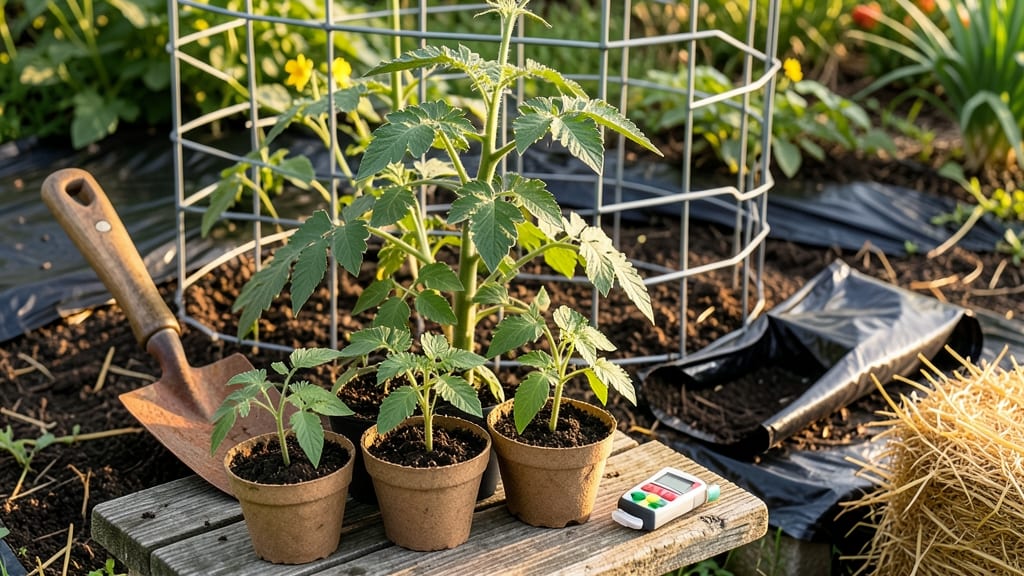
If you’ve ever planted tomatoes in Florida only to watch them wilt under the summer sun or struggle in cool spring soil, you’re not alone.
The key to a thriving 🍅 tomato harvest lies in understanding Florida’s unique climate—where early March starts for heat-tolerant varieties can mean the difference between a bumper crop and a disappointing failure.
Unlike northern states, Florida’s frost-free growing season means you can plant tomatoes year-round, but timing matters. Planting too early in cool soil or too late in scorching heat can stress your plants and invite pests or disease.
The solution? A strategic approach tailored to your region—whether you’re in North, Central, or South Florida.
I’ll walk you through the best planting windows, from starting seeds indoors to transplanting outdoors, so you can avoid common mistakes and maximize your yield. Whether you’re a seasoned gardener or just starting, these insights will help you grow healthier, more productive tomatoes in Florida’s challenging climate.
Let’s dive into the exact steps to time your tomato planting perfectly—so you can enjoy fresh, homegrown fruit from spring through fall.
Florida’s tomato planting zones: heat-tolerant varieties vs. frost dates
Florida’s frost-free climate means you can grow tomatoes year-round, but the best planting windows depend on your region and variety. Unlike northern states, we don’t have to worry about frost killing our plants—but we do face intense heat and humidity that can stress tomatoes if planted at the wrong time.
North Florida’s cooler winters (USDA zones 8a-9a) allow for earlier spring planting, while South Florida (zones 10a-11) can grow tomatoes year-round with proper care.
Heat-tolerant varieties like Heatmaster and Solar Fire thrive in Florida’s summer heat, while traditional varieties like Celebrity or Better Boy perform best in spring or fall when temperatures are milder. The key is matching your variety to the seasonal temperature swings—even Florida’s climate has its challenges.
Here’s how to navigate Florida’s three distinct tomato-growing zones and avoid common pitfalls like blossom drop or fungal diseases that plague off-season plantings.
South Florida gardeners enjoy the luxury of year-round tomato production, but even here, summer heat (June-August) can cause blossom drop and fruit cracking. Varieties like Heatmaster and Creole are bred to handle these conditions, but they still need consistent watering and mulching to thrive.
In contrast, North Florida’s cooler winters make spring planting (February-March) ideal for traditional varieties, while fall planting (August-September) avoids the worst summer heat.
Central Florida sits in the middle, where you can push the limits with heat-tolerant varieties but must be vigilant about soil moisture and disease prevention.
The key is soil temperature: Tomatoes won’t germinate well in soil below 60°F, so wait until late winter for spring plantings or early fall for summer escapes. Use a soil thermometer to check—this simple tool can save you from failed plantings.
For gardeners in North Florida, the last frost date isn’t a concern, but cool soil temperatures in early spring can still delay germination. Start seeds indoors 6-8 weeks before your target planting date (e.g., by late December for a February outdoor move) to get a head start.
In South Florida, where frost is nonexistent, the focus shifts to avoiding summer stress—plant in fall or winter for the best results, even with heat-tolerant varieties.
One critical mistake many Florida gardeners make is planting too early in cool soil, which leads to poor root development and disease susceptibility. Always wait until soil temperatures are consistently above 60°F before planting.
You can also use black plastic mulch to warm the soil faster and suppress weeds—a game-changer for Florida’s humid climate.
If you’re aiming for a year-round harvest, consider succession planting: Start a new batch every 2-3 months to ensure a steady supply. For example, plant one batch in February, another in June, and a final one in September.
This strategy works especially well in South Florida, where the climate supports multiple growing seasons.
Remember, Florida’s humidity and heat create unique challenges, but with the right varieties and planting timing, you can enjoy homegrown tomatoes nearly 12 months a year. The key is adapting to your local microclimate and choosing plants that match your season’s conditions.
Step-by-Step guide: when to start seeds indoors vs. direct sowing in Florida’s soil
Florida’s frost-free climate might make you think tomatoes can go in the ground anytime—but soil temperature and humidity are the real game-changers. Unlike northern states, we don’t have to worry about frost, but cool soil (below 60°F) can stall germination or invite fungal diseases like early blight.
That’s why my strategy focuses on two key windows: early spring for heat-tolerant varieties and late summer for fall harvests.
For indoor seed starts, I begin 6-8 weeks before transplanting, typically in mid-January to early February for spring crops. This gives seedlings enough time to develop strong roots before Florida’s soil warms up.
If you’re aiming for a fall harvest, start seeds indoors in early July to transplant by late August—just as summer’s brutal heat begins to ease.
- Timing: 6-8 weeks before last frost (Jan-Feb for spring, July for fall)
- Containers: Use biodegradable pots (3-4 inches deep) to avoid root disturbance
- Light: Provide 14-16 hours of light daily with grow lights
- Temperature: Keep soil at 70-75°F for germination
- Water: Keep soil consistently moist (not soggy)
- Duration: 7-10 days before transplanting
- Process: Gradually expose seedlings to outdoor conditions (start with 1 hour, increase daily)
- Protection: Use shade cloth if direct sun exceeds 4 hours/day
- Avoid: Harden off during peak heat (10 AM–4 PM)
- Soil Temp: Wait until soil reaches 60°F+ (use a soil thermometer)
- Time: Transplant in early morning or late afternoon to reduce stress
- Spacing: 18-24 inches apart for indeterminate varieties, 12-18 inches for determinate
- Mulch: Apply 2-3 inches of mulch to retain moisture and suppress weeds
If you’re direct sowing (skipping the indoor step), aim for mid-March to early April in North Florida or late February to March in Central/South Florida. The key is soil temperature—wait until it consistently stays above 60°F for at least a week.
I’ve learned the hard way that rushing leads to poor germination and weak seedlings struggling in Florida’s humidity.
For organic soil prep, I mix in compost and aged manure 2-3 weeks before planting to boost microbial activity. Florida’s sandy soils drain too quickly, so adding peat moss or coconut coir helps retain moisture without suffocating roots.
A balanced fertilizer (5-10-10) at planting gives seedlings the phosphorus boost they need for root development.
Pro tip: Use row covers for the first 2 weeks after transplanting to protect seedlings from Florida’s unpredictable afternoon thunderstorms and insect pests like hornworms. This small investment can mean the difference between a thriving plant and a lost crop.