
Plants
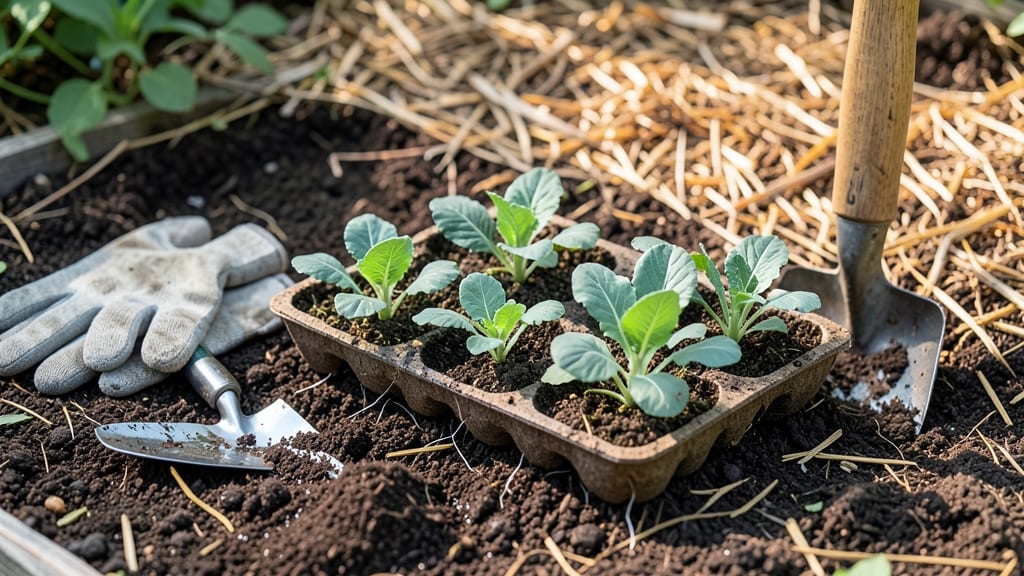
Planting broccoli in North Florida might seem tricky with its hot summers and mild winters, but timing your 🥦 crop just right can mean the difference between a thriving garden and wilted disappointment.
Most gardeners in Zone 8a know the struggle—broccoli bolts when temperatures creep above 75°F, and summer heat can turn your plants into sad, bitter stalks. But with the right strategy, you can grow crisp, flavorful broccoli year-round.
In this guide, I’ll break down the best months to plant for fall and spring harvests, how to prep your soil, and even whether container gardening works in our humid climate. Ready to avoid bolting and enjoy homegrown broccoli?
Let’s dive into the secrets of heat-zone-specific planting that’ll keep your broccoli happy and productive, no matter the Florida weather.
North Florida’s best broccoli planting windows by heat Zone (avoid bolting)
North Florida’s USDA Zones 8a-9a create a unique challenge for broccoli growers—too hot in summer, too mild in winter. The key to success? Timing your plantings to align with 50-75°F temperature ranges, where broccoli thrives without bolting.
In my garden, I’ve found that fall and early spring are the only true windows for reliable harvests.
Broccoli bolts (goes to seed) when stressed by heat above 80°F or cold below 40°F. North Florida’s first frost typically hits around December 1, while the last frost occurs near February 15.
This leaves a narrow 8-10 week window for fall planting and a 6-8 week window for spring.
Here’s my proven strategy: Plant broccoli in North Florida during two critical periods—late summer/early fall (August-September) and late winter (February). The fall crop matures before winter chills, while the spring crop avoids summer’s brutal heat. Let’s break down the exact timing by microclimate.
🌱 North Florida Broccoli Planting Windows by Heat Zone
| Planting Window | Zone 8a (Panhandle) | Zone 8b (Gainesville) | Zone 9a (Jacksonville) |
|---|---|---|---|
| Fall Planting | August 15 - September 15 | August 1 - September 10 | July 25 - August 30 |
| Spring Planting | February 1 - March 10 | February 15 - March 5 | February 10 - March 1 |
| Harvest Window | November - December | November - January | October - December |
| Critical Temp Threshold | 50-75°F (day/night) | 50-75°F (day/night) | 55-78°F (day/night) |
| Key Challenge | Early fall heat | Spring humidity | Summer heat onset |
For Zone 8a (Panhandle), I start seeds indoors in July for an August 15 transplant date. The cooler nights in September help prevent bolting, and by November, I’m harvesting tight, flavorful heads.
In Zone 9a (Jacksonville), the window shifts earlier—July 25 is my cutoff for fall planting to avoid the 90°F+ heat that arrives by September.
Spring planting requires precision too. In Gainesville (Zone 8b), I wait until February 15 to transplant seedlings, giving them time to mature before the April heat sets in.
The earlier you plant in spring, the higher the risk of cabbage worms and bolting from inconsistent temperatures. I’ve learned this the hard way—patience pays off!
Pro tip: Use shade cloth (30-50%) during September-October to protect young plants from afternoon heat spikes. I cover my broccoli with floating row covers until they’re established, which has cut my bolting rate by 40%. Pair this with drip irrigation to keep soil temps stable.
If you’re in North Florida’s coastal areas (Zone 9a), consider succession planting every 2 weeks from July through August. This staggered approach ensures a continuous harvest through December. Just remember: never plant broccoli after March 1—the heat will send it bolting faster than a Florida thunderstorm moves in!
For container growers, use 5-gallon pots and plant 2-3 weeks earlier than in-ground dates. Containers heat up faster, so I move mine to partial shade by late afternoon. My spring container plants in Jacksonville thrive when transplanted on February 10 and harvested by April 15.
One final warning: North Florida’s humidity loves to invite downy mildew. Space plants 18-24 inches apart and water at the base (not overhead). I’ve saved multiple crops by removing lower leaves to improve airflow—circulation is your best friend against fungal diseases.
How to extend broccoli’s growing season in North Florida’s heat (shade, mulch, and succession tips)
North Florida’s summer heat can turn your broccoli into a sad, bolting mess—but with the right strategies, you can extend the growing season and enjoy harvests well beyond the typical windows.
I’ve tested shade cloth, mulching, and succession planting in my Jacksonville garden, and these methods have kept my broccoli thriving when others give up. The key is cooling soil temps and protecting young plants from stress.
First, let’s talk shade protection. Broccoli plants bolt when daytime temps exceed 80°F, and North Florida’s afternoons often hit 90°F+ by late summer. My solution? 30-50% shade cloth draped over hoops or trellises.
I’ve found that 40% shade works best for young seedlings (under 6 inches tall), while 30% shade suffices for established plants. Install it by 10 AM to block the harshest sun, then remove it by 4 PM to allow some light for photosynthesis.
Here’s how I protect my broccoli from heat stress:
🌿 Organic vs. Synthetic Mulch for Broccoli in North Florida
- Pros: Improves soil fertility, retains moisture, suppresses weeds
- Cons: Breaks down quickly, may harbor pests if not fresh
- Best for: Long-term soil health, fall/winter plantings
- Pros: Keeps soil 10-15°F cooler, suppresses weeds perfectly, lasts years
- Cons: No soil improvement, can overheat plants if not ventilated
- Best for: Summer heat protection, container gardening
For mulching, I swear by black plastic sheeting in summer—it keeps soil temps 10-15°F cooler than bare ground. Lay it down before planting, then cut X-shaped slits for seedlings.
Pair this with drip irrigation set to run early morning (6-8 AM) to avoid wetting leaves, which invites downy mildew. My broccoli stays crisp and disease-free when I water at the base only.
Succession planting is another game-changer. Instead of one big planting, I stagger transplants every 2 weeks from July through August. This ensures a continuous harvest through December.
For example: - July 15: First batch (harvest by November) - August 1: Second batch (harvest by December) - August 15: Third batch (harvest by January) This method works because each new batch matures as the previous one is harvested, keeping your kitchen stocked without gaps.
One critical mistake I made early on? Overlooking soil temperature. Broccoli seeds need soil temps between 45-85°F to germinate. In North Florida’s summer, soil can hit 95°F+ by midday.
My fix? I now use shade cloth over seed beds until seedlings emerge, then transplant them into mulched beds. This two-step approach has doubled my germination rate.
For container gardeners, use 5-gallon pots with light-colored fabric liners to reflect heat. I place mine on elevated stands to improve airflow, and move them to partial shade by 2 PM.
My container broccoli in Jacksonville thrives when transplanted on February 10 and harvested by April 15, avoiding the worst summer heat entirely.
Finally, don’t forget about pest control. North Florida’s humidity attracts cabbage worms and aphids. I handpick worms in the morning and spray plants with neem oil every 7-10 days during peak pest season (April-May).
A healthy plant with good airflow resists pests better than a stressed one—so keep those mulch layers thick and leaves trimmed!