
Companion Plants
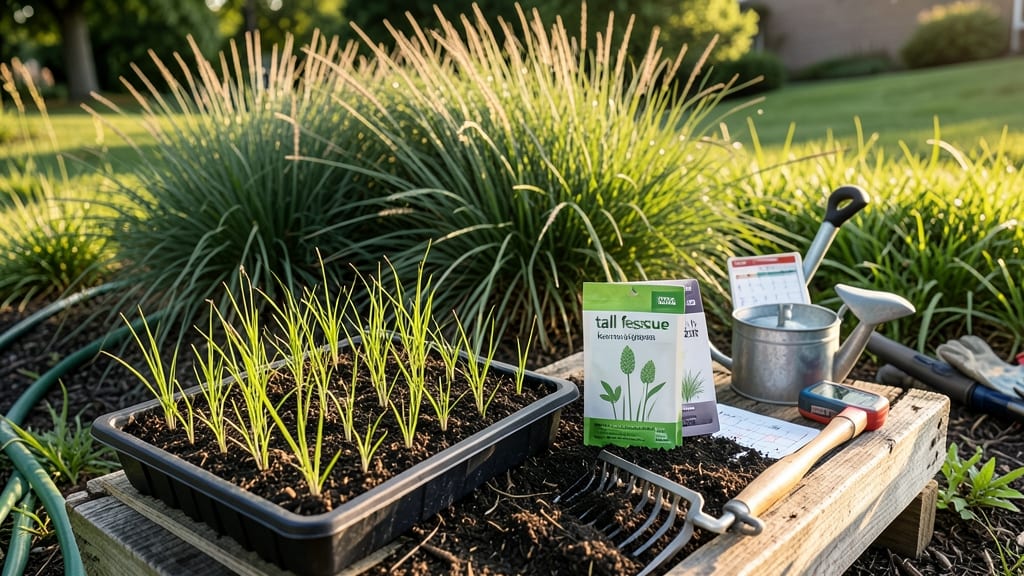
Planting grass seed at the wrong time in Missouri can leave you staring at bare patches for months—unless you follow the cool-season timing that actually works for your climate.
The key isn’t just picking a season; it’s choosing the right window when soil temperatures and rainfall align for maximum germination and weed suppression.
Most Missouri homeowners make one of two mistakes: planting too early when the ground is still cold, or waiting too late when summer heat stresses young sprouts.
In zones 5b-6b, your best bets are early fall (September) or late spring (April), but there’s a 3-week window where even a small misstep can derail your lawn. Here’s how to nail it.
Why does timing matter so much? Cool-season grasses like Kentucky Bluegrass and Fescue thrive when soil temps hover between 50°F and 70°F—any hotter, and your seed dries out before roots take hold.
I’ll break down the exact months to plant, plus how to prep your soil and outsmart weeds so your lawn comes in thick and stays that way.
If you’ve ever seeded in May and watched your grass struggle through drought, or planted in October only to see it freeze before establishing, this guide changes the game. Let’s get your Missouri lawn off to the right start—permanently.
Best planting windows for Missouri’s cool-season grasses (Kentucky Bluegrass, Fescue, ryegrass)
Missouri’s cool-season grasses thrive when planted during optimal temperature windows, avoiding the brutal summer heat or late-fall frosts. The #1 mistake I see? Planting in sweltering June or freezing December—both kill germination rates. Instead, focus on early fall and late spring for the thickest, most resilient lawns.
For Kentucky Bluegrass and Tall Fescue (Missouri’s top picks), aim for 4-6 weeks before your first frost. That’s typically mid-September to early October in most of the state. In USDA Zones 5b-6b, this aligns with soil temps dropping to 60-70°F—perfect for seed activation without stress.
Spring planting works too, but rush it, and you’ll battle weeds and drought. Target late March to early April, once soil warms to 50°F+. Use a soil thermometer—below 50°F delays germination by weeks.
Pro tip: In St. Louis, wait until April 15; in Kansas City, you can start a week earlier.
Missouri’s regional microclimates matter. Rural areas with clay-heavy soils (common in southwest MO) need earlier fall planting to avoid compaction from heavy rains. Urban spots like Columbia can push planting to late October if frost is delayed. Check your local frost dates—they vary by 1-2 weeks across the state.
Here’s the golden rule: Plant when daytime highs are 70-80°F and nighttime lows stay above 50°F. This balance ensures consistent moisture without fungal risks. Skip summer seeding—heat stress will turn your seed into crunchy snacks for crows.
| Planting Window | Soil Temp | Missouri Regions | Key Consideration |
|---|---|---|---|
| Early Fall (Sept 15–Oct 15) | 60–70°F | Statewide | Best germination, fewer weeds |
| Late Spring (Mar 20–Apr 15) | 50–60°F | North MO (higher elevation) | Risk of summer drought |
| Late Summer (Aug 1–Aug 15) | 70–80°F | Southwest MO (hotter) | High water needs, weed competition |
| Avoid: June–July | Above 85°F | Statewide | Seed dries out, poor root growth |
Missouri’s rainfall patterns add another layer. In spring, April showers can wash away fresh seed—use a starter fertilizer with hydro-mulch to lock it in. For fall, aim to plant 2 weeks before heavy rains hit (check your NOAA forecasts).
In drought-prone areas (like west-central MO), irrigate daily until germination.
Don’t overlook overseeding—a fall ritual for Missouri lawns. Spread 10 lbs of seed per 1,000 sqft over existing grass in September to fill thin spots. This doubles density by spring. Just mow low (1.5 inches) first to expose soil for seed contact.
For shady lawns (common under trees), Fine Fescue is your best bet—plant it in early fall when trees drop leaves, reducing competition. In full sun, Tall Fescue outshines Kentucky Bluegrass for drought tolerance. Test your soil first—pH 6.0–7.5 is ideal for Missouri’s grasses.
Remember: Missouri’s weather is a wildcard. If you miss the fall window, spring is your backup. But act fast—weeds like crabgrass will hijack your lawn if you delay. Start soil prep 6 weeks out with aeration and compost to give your seed the best shot at success.
How to prepare your Missouri lawn for grass seed success (soil, weed control, and timing hacks)
Preparing your Missouri lawn for grass seed is like laying the foundation for a house—skimp on prep, and you’ll deal with patchy growth or weed invasions later. The key? Start 4-6 weeks before planting to give your soil and existing vegetation time to adjust.
This is where most gardeners trip up: rushing the process or skipping critical steps like soil testing or weed control.
First, grab a soil test kit (available at local garden centers) to check your lawn’s pH level. Missouri’s clay-heavy soils often skew acidic (below 6.0), which stunts grass growth.
Aim for a pH of 6.0–7.5—this is the sweet spot for cool-season grasses like Kentucky Bluegrass and Tall Fescue. If your soil tests low, amend it with pelletized lime 2–3 months before seeding.
Applying lime or fertilizer too close to planting can burn delicate grass seeds. Wait until your soil test results come back, then amend at least 4 weeks before seeding. For faster results, use quick-release lime, but follow package instructions.
Next, tackle weeds—especially crabgrass and dandelions, which thrive in Missouri’s climate. If you’re seeding in late summer or fall, apply a pre-emergent herbicide 3–4 weeks before planting to block weed seeds from germinating.
For organic options, use corn gluten meal (a natural pre-emergent) or hand-pull weeds after a light rain when they’re easiest to remove.
Don’t overlook aeration, a game-changer for compacted Missouri soils. Rent a core aerator (or hire a lawn service) to punch ¼-inch holes every 2–3 inches across your lawn. This lets seeds make direct contact with soil and encourages root growth.
Time it right: aerate 1–2 weeks before seeding in spring or 4–6 weeks before fall planting to avoid disturbing new seedlings.
Finally, rake your lawn to create a smooth, seed-friendly surface. Use a bow rake to break up clumps and level the soil—this ensures even seed distribution. For bare spots, lightly scratch the soil with a rake to expose fresh earth where seeds can germinate.
Avoid heavy foot traffic on freshly raked areas to prevent compaction.
With these steps, your Missouri lawn will be primed for thick, weed-resistant growth. The payoff? A lush carpet of grass that outcompetes weeds and handles Missouri’s hot summers and freezing winters like a pro. 🌱