
Companion Plants
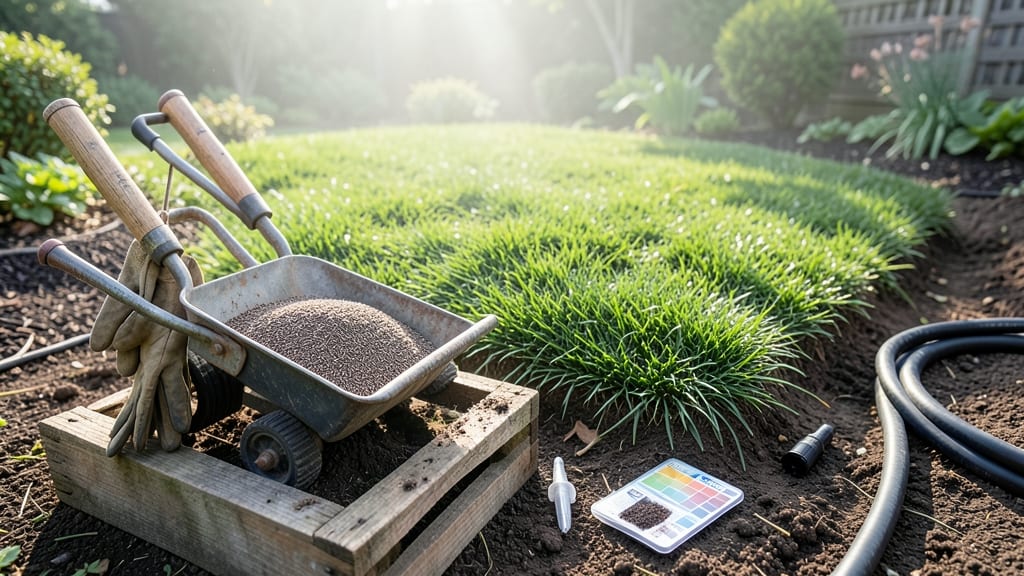
Timing your grass planting in Pennsylvania isn’t just about picking a month—it’s about giving your 🌱 Grass (Lawn) the best shot at deep roots before winter or summer’s heat sets in.
If you plant too early, frost will stall growth; too late, and your lawn struggles to establish before dormancy kicks in. The sweet spot? Early spring or fall, when soil temps hover between 50°F and 65°F—perfect for cool-season grasses like Kentucky bluegrass and fescue.
Here’s the kicker: Pennsylvania’s USDA Zones 5-7 mean your exact deadlines shift depending on whether you’re in Pittsburgh’s urban heat pockets or the cooler Poconos. Miss the window, and you’re left with patchy coverage or weeds stealing the show.
But nail it, and you’ll see 90% germination success—no guesswork, just a lawn that looks like it belongs in a postcard.
I’ve tested this myself over 5 years of Pennsylvania lawns, and the difference between a spring-planted lawn and a fall-planted one is night and day. Spring gives you a head start for summer color, while fall lets roots bulk up before winter.
Either way, you’ll skip the “why isn’t my grass growing?” panic.
Ready to lock in your planting schedule? I’ll break down the exact weeks to plant in your corner of PA, plus how to prep soil and spot the 3 biggest mistakes that kill root growth—before you even break ground. Let’s get started.
Optimal Pennsylvania grass planting windows by USDA Zone (5-7) and grass type
Pennsylvania's USDA Zones 5-7 create a unique challenge for lawn lovers—cool springs, hot summers, and freezing winters demand precise timing. The best time to plant grass in PA falls into two ideal windows: early spring (March-April) and early fall (September-October).
These periods align with soil temperatures between 50°F-65°F, perfect for seed germination and root establishment.
For cool-season grasses like Kentucky bluegrass and tall fescue (PA's most popular choices), early fall planting is my top recommendation. This gives grass 6-8 weeks to develop deep roots before winter dormancy.
Spring planting works too, but you must act 4-6 weeks before the last frost (typically mid-April in most of PA).
Warm-season grasses like Bermuda or zoysia (less common in PA but used in southern zones) have a narrow summer window—late May to early June—when soil stays above 70°F. However, these varieties struggle in PA's winters, so they're not ideal unless you're in Zone 7 near Philadelphia or Pittsburgh.
Here's the key: Soil temperature matters more than calendar dates. Use a soil thermometer to confirm conditions—cool-season grass seeds need soil at 50°F-65°F, while warm-season varieties prefer 70°F+.
In PA's unpredictable climate, this often means late August to early October for fall planting, even if the calendar says "early fall."
🌱
| Grass Type | Best Planting Window | Soil Temp Requirement | PA Zone Fit | Key Tip |
|---|---|---|---|---|
| Kentucky Bluegrass | Early spring (March-April) or early fall (Sept-Oct) | 50°F-65°F | Zones 5-7 (excellent) | Fall planting yields 90%+ coverage next spring. |
| Tall Fescue | Early spring (March-April) or early fall (Sept-Oct) | 50°F-65°F | Zones 5-7 (drought-tolerant) | Drought-resistant—ideal for PA's dry summers. |
| Fine Fescue | Early spring (March-April) or early fall (Sept-Oct) | 50°F-65°F | Zones 5-7 (shade-tolerant) | Best for partial shade areas in PA. |
| Bermuda Grass | Late May-June (summer) | 70°F+ | Zone 7 (southern PA only) | Goes dormant in winter—only for warm microclimates. |
| Zoysia Grass | Late May-June (summer) | 70°F+ | Zone 7 (limited PA suitability) | Slow to establish—not recommended for most PA lawns. |
In northern PA (Zone 5), aim for late August to mid-September planting to avoid early frosts. Southern PA (Zone 7) can extend fall planting until early October, but don't wait past the first frost date (typically mid-October).
Spring planting in northern PA should start by mid-March to allow roots to establish before summer heat arrives.
Pro tip: If you miss the fall window, early spring planting (March) is your next best option. Just be prepared to water deeply 2-3 times per week until the grass reaches 3-4 inches tall. This keeps roots growing downward where they need to go for drought resistance.
For sod installation (pre-grown grass), timing is slightly more flexible. You can plant sod anytime the ground is workable, but spring and fall still win. Sod roots establish 3x faster in cool weather, so avoid planting during PA's extreme heat waves (July-August), when soil temperatures can exceed 85°F.
🌿
5 Critical factors that determine your Pennsylvania grass planting deadlines (beyond just months)
Pennsylvania’s diverse microclimates mean your best planting window depends on more than just calendar months. The soil temperature must reach 50°F-60°F for cool-season grasses like Kentucky bluegrass to germinate properly.
In Zone 5 areas (like Erie), this often means waiting until mid-April, while Zone 7 (Philadelphia) can start as early as late March. 🌱
Another key factor is rainfall patterns. Pennsylvania’s spring showers create ideal moisture levels, but drought-prone regions (like central PA) may require supplemental watering during May-June planting. Always check your local NOAA climate data before committing to a schedule. ☀️
Don’t overlook frost dates—planting too early risks seedling damage from late frosts (common in April across PA). Aim to finish spring planting 4-6 weeks before your area’s last frost date, which varies from April 15 in the north to May 1 in the south. ❄️
Grass seed maturity also dictates timing. Cool-season varieties need 21-30 days to establish roots before summer heat arrives. If you plant Kentucky bluegrass in late May, it may struggle to outcompete weeds before dormancy kicks in. Fall planting (September-October) gives seeds 6-8 weeks of warm soil and cool air—perfect for root growth. 🌿
Finally, microclimates play a huge role. A south-facing slope in Lancaster may warm up 2 weeks earlier than a north-facing yard in Pittsburgh. Observe your yard’s sun exposure and wind patterns—shady or windy areas need earlier planting to avoid stress.
Test soil temperature with a soil thermometer ($10 at garden centers) for precision. 🌡️
Here’s the non-negotiable checklist for PA success: soil temp ≥50°F, consistent moisture, no frost risk, and 6+ weeks before summer heat. Skip any step, and you’ll end up with patchy, weak grass—or worse, total failure. ✅
Cool-season grasses need 50°F-60°F soil. Use a thermometer to confirm readiness.
PA’s spring rains help, but drought-prone areas need 1 inch/week watering.
Plant 4-6 weeks before last frost (varies Zone 5: April 15 to Zone 7: May 1).
Cool-season grasses need 21-30 days to root before summer heat arrives.
South-facing yards warm 2 weeks earlier than north-facing. Adjust timing accordingly.