
Trees
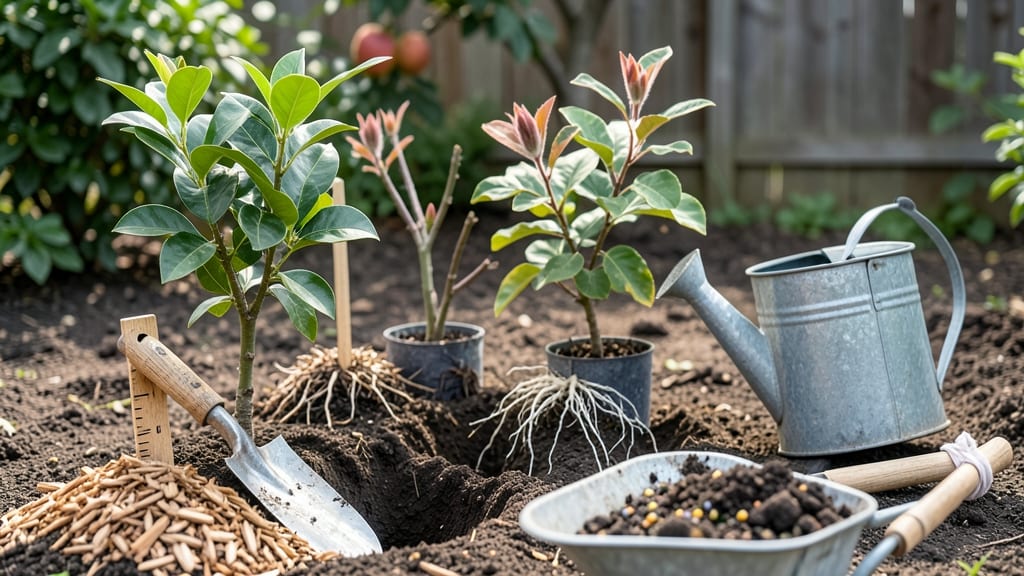
Planting fruit trees in California at the wrong time can mean years of disappointment—maybe even a tree that never bears fruit. The best window isn’t just about the calendar; it’s about matching your variety to your region’s chill hours and microclimate, whether you’re in frost-prone Sacramento or sunny San Diego.
I’ve seen firsthand how a peach tree planted in summer wilts under the heat, while the same variety thrives when set in winter’s cool embrace. That’s why timing matters more than most gardeners realize.
Let me show you exactly when to plant each type—from avocados to citrus—and how to avoid costly mistakes.
California’s diversity means no single rule fits all, but there are proven strategies for success. We’ll break down dormancy periods, soil prep, and even how to cheat frost for early bloomers. Ready to turn your backyard into a fruit orchard? Let’s get started.
Whether you’re a first-time planter or a seasoned gardener, these insights will help you pick the perfect moment. Skip the guesswork and plant with confidence—your future harvest depends on it.
California’s best fruit tree planting zones by chill hours and month
California’s diverse climate means one planting time doesn’t fit all. Northern regions like Sacramento and Redding need 500+ chill hours for peaches and cherries, while Southern areas like San Diego and Riverside thrive with zero chill varieties like citrus and olives.
Understanding your USDA zone and chill hours is key to selecting the right fruit trees for your microclimate.
Most deciduous fruit trees (peaches, plums, apples) should be planted in late winter or early spring—just as buds swell but before new growth begins. This dormant-season timing lets roots establish before summer heat arrives. Citrus and subtropical trees (avocados, figs, pomegranates) prefer spring planting to avoid winter cold stress.
Here’s how to match your location to the best planting window:
For Northern California, aim for January-February planting when soil temperatures hover around 50°F. This gives roots time to establish before the spring bloom and summer heat. Central Coast growers can extend planting into March-April, but avoid late spring to prevent summer drought stress.
In Southern California, March-May is ideal for citrus and avocados, as it avoids winter frosts that can kill young trees. Desert regions should wait until April-June when soil warms to 65°F+ and monsoon rains provide moisture.
Always check your local frost dates—even coastal areas can experience unexpected cold snaps.
Pro tip: Use bare-root trees in winter for deeper root establishment, or container-grown trees in spring for subtropical varieties. Both methods reduce transplant shock if timed correctly. Mulch heavily after planting to retain moisture and regulate soil temperature.
Remember, chill hours ≠ frost. A tree might need 300 chill hours but still handle light frosts if acclimated.
Always research specific varieties—some low-chill peaches (like Redhaven) work in Zone 7, while others need Zone 5 conditions. Citrus trees, on the other hand, thrive with zero chill hours but cannot tolerate frost.
If you’re unsure about your chill hours, use the California Climate Smart tool or check with your local Cooperative Extension office.
They can provide hyper-local data that generic USDA zones miss. Microclimates matter—a sunny slope may be 10°F warmer than a valley floor, altering your planting window by weeks.
Once you’ve nailed the timing, soil prep is next.
Work in compost and organic matter to improve drainage—California soils range from clay-heavy to sandy, and fruit trees hate soggy roots. Test your pH (most fruit trees prefer 6.0-7.0) and amend if needed. Drip irrigation installed at planting ensures consistent moisture without overhead watering.
Your first year’s goal should be root establishment, not fruit production.
Prune lightly to encourage structural growth, and avoid heavy fertilizing. Patience pays off—a well-planted tree can bear fruit in 3-5 years, while a poorly timed one may take a decade or never thrive. Timing is everything in California’s fruit tree success story. 🌱🌿
Top 5 fruit trees for California’s microclimates and their ideal planting times
California’s diverse climate means the best planting time for fruit trees varies dramatically from coastal regions to inland valleys. While Northern California can handle chill-loving varieties like peaches, Southern California thrives with subtropical trees like citrus.
Let’s explore the top 5 fruit trees that match California’s zones and their precise planting windows.
For coastal areas (like San Francisco), fig trees and olives excel when planted in late winter (February) to avoid summer drought stress. Inland regions (such as the Central Valley) should plant peaches and plums in early winter (December-January) during dormancy.
Meanwhile, avocados and citrus thrive when planted in spring (March-April) once frost risk passes.
🌱
🍑 Peach Trees
Best for: Northern California (chill zones 6-8)
Planting time: December-January (dormant season)
Soil prep: Well-draining, slightly acidic (pH 6.0-6.5)
Pro tip: Choose low-chill varieties like 'Redhaven' or 'Elberta' for San Joaquin Valley.
🥑 Avocado Trees
Best for: Coastal and Southern California (zones 9-11)
Planting time: March-April (after last frost)
Soil prep: Sandy loam with good drainage (avoid clay)
Pro tip: Grafted trees like 'Hass' or 'Fuerte' need full sun (6+ hours).
🍊 Citrus Trees (Lemon/Orange)
Best for: Southern California (zones 9-11)
Planting time: February-March (spring)
Soil prep: Slightly acidic (pH 6.0-7.0) with organic matter
Pro tip: Meyer lemons tolerate light frost; plant in well-draining containers for urban areas.
🍇 Fig Trees
Best for: Coastal and Mediterranean climates (zones 8-10)
Planting time: February-March (early spring)
Soil prep: Tolerates poor soil but thrives in loamy soil
Pro tip: 'Black Mission' figs need 6+ hours of sun and drought tolerance once established.
🍐 Persimmon Trees
Best for: Inland valleys (zones 7-9)
Planting time: December-January (dormant season)
Soil prep: Well-draining, slightly alkaline (pH 6.5-7.5)
Pro tip: 'Fuyu' persimmons are cold-hardy; plant 2 trees for cross-pollination.
When selecting your fruit tree, always check the chill-hour requirements for your specific variety. For example, peaches need 300-500 chill hours, while citrus requires 0-100 chill hours. Use local nurseries to find varieties matched to your USDA zone and microclimate.
After planting, prioritize deep watering (every 7-10 days for the first year) and mulching to retain moisture. Avoid fertilizing until 6-8 weeks post-planting to prevent root burn. With the right timing and care, your fruit tree will thrive in California’s diverse landscapes!
☀️