
Trees
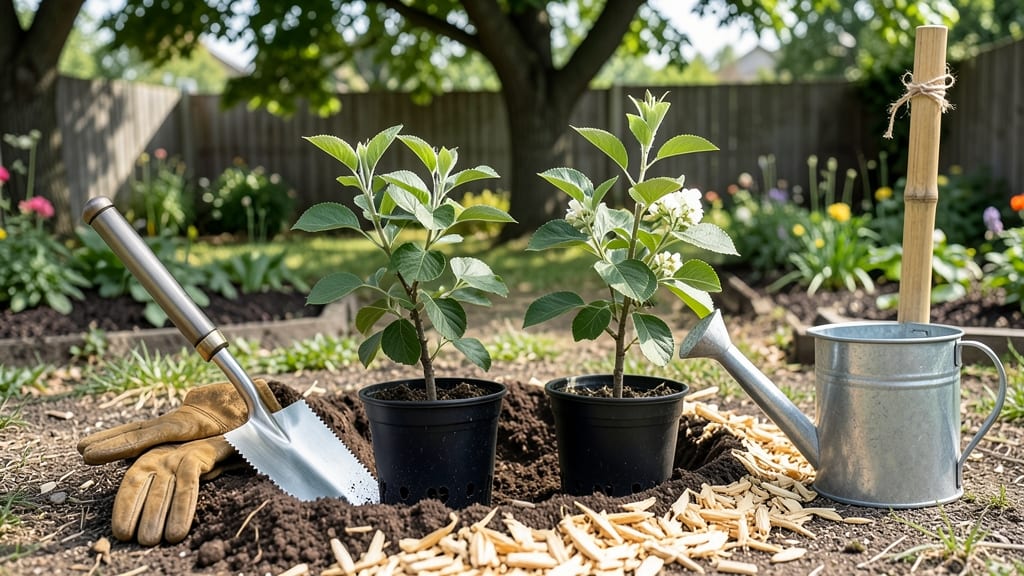
Planting fruit trees in Indiana at the wrong time can mean the difference between a thriving orchard and years of disappointment—especially when unpredictable frost dates and chill hour needs come into play. With 5b-6b zones and last frosts creeping into mid-April, timing matters more than most gardeners realize.
I’ve seen firsthand how a late winter to early spring planting window (February through April) gives fruit trees like apples, peaches, and cherries the best shot at survival. But here’s the catch: bare-root trees need that dormant period, while potted varieties have slightly more flexibility.
Let’s break down exactly when to plant each type—and how to adjust for Indiana’s microclimates.
You’ll learn which varieties thrive in your zone, how to prep your soil for Indiana’s clay-heavy conditions, and when to expect harvests from June to October. Skip the guesswork and get the schedule that actually works for your backyard.
Whether you’re a first-time grower or a seasoned orchard keeper, these insights will help you avoid common mistakes and set your fruit trees up for success—so you can enjoy that first harvest sooner than you think.
Indiana fruit tree planting timeline by chill hours & frost zones
Indiana’s USDA hardiness zones 5b-6b create a unique challenge for fruit tree growers. The key to success lies in matching chill hours—the number of hours below 45°F a tree needs to flower—with your local climate.
Most Indiana varieties require 400-1,000 chill hours, but late-winter thaws can disrupt this cycle.
For example, 'Honeycrisp' apples thrive in northern Indiana with 800-1,000 chill hours, while 'Reliance' peaches (a low-chill variety) do better in southern Indiana’s 500-600 chill hour zones. Check your local last frost date—typically April 15 in most regions—to time your planting window.
| Fruit Type | Chill Hours Needed | Best Planting Window | Notes for Indiana |
|---|---|---|---|
| Apples | 800-1,000 | Late February - Early April | Northern IN: 'Honeycrisp', 'Jonagold'; Southern IN: 'Gala', 'Fuji' |
| Peaches | 500-700 | March - Early April | Southern IN: 'Reliance', 'Redhaven'; Northern IN: 'Contender' |
| Cherries | 600-1,000 | Late February - March | Sweet cherries need full sun; sour cherries tolerate partial shade |
| Pears | 400-800 | Late February - Early April | 'Kieffer' and 'Bartlett' adapt well to Indiana's climate |
Bare-root trees should be planted as soon as they arrive in late winter (February-March) while still dormant. Container-grown trees offer more flexibility—plant them throughout spring (March-May) as long as the soil isn't frozen.
The critical factor is avoiding planting when the ground is frozen or waterlogged, which can suffocate roots.
For northern Indiana counties (like Lake or Porter), aim for late March planting to avoid late frosts. Southern Indiana (Vigo or Gibson) can plant as early as February for varieties like 'Reliance' peaches.
Always verify your local chill hour accumulation using the USDA Plant Hardiness Zone Map or your county extension office.
Pro tip: Use a soil thermometer to confirm ground temperatures are above 40°F before planting. Cold soil can shock roots and reduce transplant success by up to 40%. Mulch immediately after planting with 3-4 inches of wood chips to protect roots from temperature swings.
Indiana’s microclimates mean frost dates can vary by 2-3 weeks between northern and southern counties. For example, Evansville (zone 6a) might see its last frost on March 20, while South Bend (zone 5b) could experience frost until April 10. Adjust your planting window accordingly.
If you’re unsure about your local chill hours, most Indiana nurseries provide this data for their trees. For example, 'Redhaven' peaches (700 chill hours) won’t flower properly in southern Indiana’s mild winters, while 'Contender' peaches (500 chill hours) struggle in northern Indiana’s colder zones.
Matching varieties to your region is the first step to avoiding bloom failure.
Remember: Bare-root trees must be planted within 1-2 weeks of purchase, while container-grown trees can wait until spring soil thaws. For container trees, dig a hole twice as wide as the root ball but no deeper to prevent root damage.
Amend the native soil with compost and sand if your area has heavy clay.
Finally, consider windbreaks if your property is exposed. Young fruit trees are vulnerable to
Best fruit tree varieties for Indiana’s short & long seasons
Indiana’s climate—with its 5b-6b hardiness zones and variable chill hours—demands careful variety selection for fruit trees. Some trees thrive in northern Indiana’s shorter growing season, while others adapt better to southern Indiana’s longer heat. Choosing the right variety ensures better fruit production and survival through winter’s harshest months.
For northern Indiana (e.g., Gary, South Bend), prioritize low-chill varieties like 'Honeycrisp' apples (300-400 chill hours) or 'Reliance' peaches (200-300 chill hours). Southern Indiana (e.g., Evansville, Louisville) can handle higher-chill varieties like 'Fuji' apples (800+ chill hours) or 'Lapins' cherries (600+ chill hours).
Chill hours are critical—too few, and your tree won’t flower; too many, and it may struggle in heat. Use the USDA Chill Hour Map to verify your local requirements before buying. For example, 'Barely Sweet' peaches (200 chill hours) work in northern Indiana, while 'Redhaven' peaches (600+ chill hours) suit southern regions.
🌱
Northern Indiana Varieties (Low Chill Hours)
- Thrives in shorter seasons
- Lower risk of late frost damage
- Faster maturity (2-3 years)
- Limited fruit variety options
- Smaller fruit size in heat
- May need extra winter protection
Southern Indiana Varieties (High Chill Hours)
- Larger fruit yield
- More variety choices
- Better heat tolerance
- Risk of late frost damage in spring
- Slower maturity (3-5 years)
- May need irrigation in drought
Avoid common mistakes like planting high-chill varieties in northern Indiana—they’ll fail to bloom.
Instead, opt for dwarf or semi-dwarf trees (e.g., 'Columnar' apples) to save space and reduce frost risks. Peach and cherry trees are especially vulnerable to late frosts, so plant them near a windbreak or in sheltered microclimates.
For fast fruit production, choose 'Haralson' plums (200 chill hours) or 'Montmorency' tart cherries (400 chill hours). These varieties mature in 2-3 years and handle Indiana’s climate well. Always check the tree tag for chill hour requirements before purchasing.
🌿