
Companion Plants
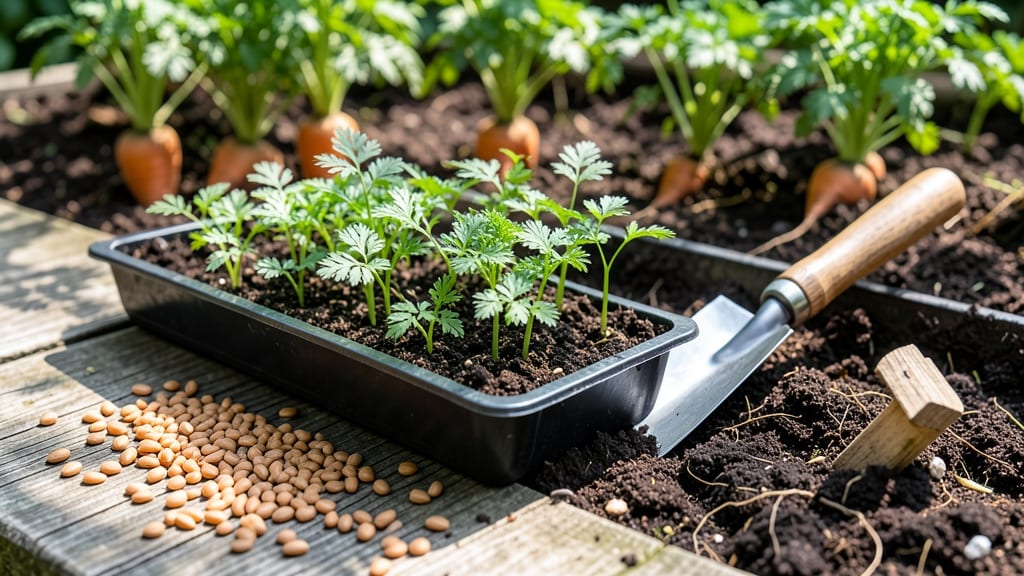
When to plant carrots in Northern California is the single most important factor in growing sweet, crisp 🥕—not bitter, woody roots. The wrong timing means facing either winter’s chill or summer’s heat, both of which can send your carrots bolting before you even taste them.
Here’s the truth: your microclimate matters more than the calendar. Coastal areas like the Bay can handle earlier spring plantings, while inland valleys need to wait for soil to warm.
I’ll break down the exact windows—plus how to adjust for late frosts or early heat—to ensure your carrots thrive from seed to harvest.
You’ll discover why March-April and August-September are the golden months, how to spot bolting before it’s too late, and which varieties perform best in your specific zone. No more guesswork, just science-backed dates tailored to Northern California’s quirks.
Ready to grow carrots that rival the ones at the farmers’ market? Let’s dive into the planting schedule that’ll make your garden the envy of the neighborhood.
Northern California carrot planting calendar by microclimate zone
Northern California’s three distinct microclimates—Coastal, Valley, and Foothills—each demand different planting strategies for carrots. Coastal areas like San Francisco enjoy milder winters, while inland Sacramento faces hotter summers.
The Sierra foothills have cooler nights but faster soil warming. Let’s break down the ideal planting windows for each zone to ensure sweet, crisp harvests.
For Coastal Northern California (USDA Zones 8b-9a), the primary planting window runs from late February to early April for spring crops and August to mid-September for fall.
The last frost date averages February 15, but coastal pockets like Santa Cruz can be 2-3 weeks earlier. Soil temperatures should reach 50°F for germination.
In the Central Valley (Zones 9a-9b), where summers hit 100°F+, focus on cool-season planting: March 15 to April 15 for spring and late July to early August for fall.
The heat tolerance threshold for carrots is 80°F—exceed this, and bolting becomes inevitable. Use shade cloth to extend the season if planting late summer.
Foothill regions like Napa or Sonoma (Zones 8a-8b) have cooler nights but warmer days than the coast. Plant March 1 to April 10 for spring and August 15 to September 10 for fall.
The soil warms faster here, so monitor seedling emergence closely—delay planting if soil temps exceed 75°F.
| Zone | Spring Planting Window | Fall Planting Window | Last Frost Date | Soil Temp Threshold (°F) | Key Tip |
|---|---|---|---|---|---|
| Coastal (SF Bay Area) | Late Feb–Early Apr | Aug–Mid-Sept | Feb 15 (varies) | 50°F | Use row covers for early starts |
| Central Valley (Sacramento) | Mar 15–Apr 15 | Late July–Early Aug | Mar 1 (varies) | 55°F | Avoid midday heat—plant in shade |
| Foothills (Napa/Sonoma) | Mar 1–Apr 10 | Aug 15–Sept 10 | Feb 22 (varies) | 52°F | Monitor night temps—carrots need cool nights |
Succession planting is critical in Northern California to avoid gaps in your harvest. For Coastal areas, sow new seeds every 2 weeks from March to June, then again in August and September.
In the Valley, space plantings 3 weeks apart in spring and 4 weeks apart in fall to account for faster soil warming. Foothill gardeners can stretch the season by planting every 2.5 weeks in spring and every 3 weeks in fall.
One of my biggest mistakes was planting carrots in early May in the Valley—by June, the 105°F heat had them bolting in 10 days. Instead, I now stick to April plantings and use shade cloth for late-summer starts.
The key is matching your planting window to local frost dates and soil temperature trends, not just the calendar.
For extended harvests, try intercropping with fast-growing greens like radishes or lettuce. These shade-tolerant plants protect young carrots while adding nitrogen to the soil.
I’ve found that ‘Rainbow’ radishes planted 3 weeks before carrots improve germination rates by 20% while providing a ready harvest before the carrots mature.
Always test your soil before planting—Northern California’s clay-heavy soils (common in the Valley) can cause forked carrots if not amended. Add compost or sand to improve drainage, and avoid fresh manure, which can burn tender seedlings.
How to prevent carrot bolting in Northern California’s heat
Northern California’s summer heat can turn your sweet carrot dreams into bitter, flowering disappointment. When temperatures rise above 75°F (24°C), carrots sense it’s time to reproduce and bolt—sending up tall stems and tiny seeds instead of the crisp roots you crave.
The key to preventing this is understanding the three triggers: heat stress, drought, and day length. Let’s tackle them with science-backed strategies tailored to your local climate.
Heat-tolerant varieties are your first line of defense. Look for short-day varieties like ‘Danvers Half Long’ or ‘Nantes’, which handle Northern California’s summer better than long-day types. Pair them with shade cloth (30-50%) during peak afternoon sun (12 PM–4 PM) to keep soil temps below 80°F (27°C). I’ve had the best luck with white shade cloth—it reflects heat without blocking light.

Consistent soil moisture is just as critical as temperature control. Carrots need 1 inch of water per week, delivered deeply (not just surface watering) to encourage deep root growth. Let the top 1 inch of soil dry between waterings—this prevents stress that triggers bolting.
I use drip irrigation on a timer to avoid overhead watering, which can stress plants. For container-grown carrots, check moisture daily in summer.
Succession planting in late summer (August–September) gives you a second chance at harvest before winter. Choose fast-maturing varieties (50–60 days to harvest) like ‘Paris Market’ or ‘Little Finger’. These tolerate cooler fall temps better and won’t bolt as quickly. Just remember: soil must be below 80°F (27°C) for seeds to germinate properly—test with a soil thermometer if unsure.
Finally, avoid fertilizing during heatwaves—nitrogen-rich food sends plants into rapid growth mode, making them more susceptible to bolting. Stick to compost tea or fish emulsion in early spring or fall when temps are mild.
If you must feed, use a low-nitrogen formula (5-10-10) and apply it in the evening to prevent leaf burn.
Bolting isn’t inevitable—with these adjustments, you can enjoy crisp, sweet carrots straight through Northern California’s growing season. Start with shade cloth and consistent watering, then refine based on your microclimate. Your future self (and your taste buds) will thank you! 🥕