
Plants
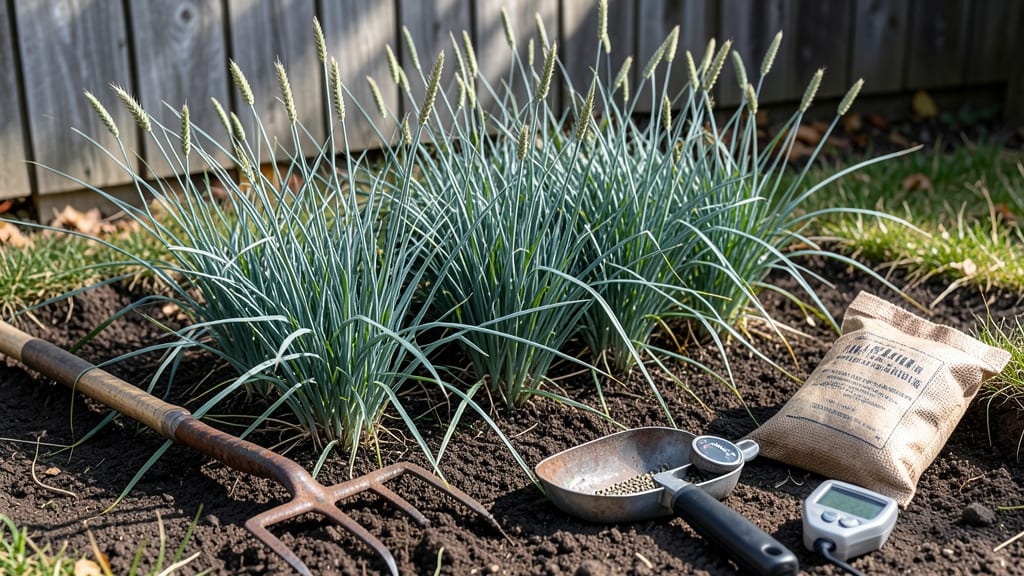
Planting winter rye 🌾 in Texas isn't just about throwing seeds in the ground—it's about timing it perfectly to protect your soil and boost your garden's health before the frost hits.
The key is getting those seeds in the ground 4-6 weeks before your first frost, which means late summer or early fall for most of the state.
Why does timing matter so much? Because winter rye thrives in cooler weather, and planting too early means it'll bolt in Texas heat, while planting too late leaves your soil vulnerable to erosion.
I've seen how a well-timed cover crop can transform my garden—keeping nutrients locked in and ready for spring planting.
Whether you're using it as a cover crop, forage, or even for grain, the best months for planting winter rye in Texas are August through October. This window gives it enough time to establish strong roots before winter sets in, even in our variable 8a-10b climate zones.
Let me show you exactly how to nail those planting dates, adjust for your specific Texas region, and keep your winter rye growing strong all season long—no guesswork required.
Optimal planting months for winter rye in Texas regions
Texas spans three distinct climate zones that drastically affect when you should plant winter rye 🌾. The North Texas Panhandle (Zone 8a) has the earliest frost dates, while South Texas (Zone 10b) enjoys milder winters. Getting your timing right means your cover crop will establish before cold snaps arrive.
For North Texas, aim to plant between mid-August and early September. This gives winter rye enough time to root before the first frost hits around November 15.
In Central Texas (Zones 8b-9a), you have a slightly longer window—late August through October—since frost typically arrives December 1 or later.
If you're in South Texas (Zones 9b-10b), you can push planting into early October or even November, as frost rarely occurs before December 15. The key is to plant 4-6 weeks before the first frost in your area to ensure strong establishment.
Here’s how to adjust based on your Texas region:
Soil temperature is another critical factor. Winter rye germinates best when soil temps are between 50°F and 75°F. In Texas, this usually means waiting until late summer when daytime highs start cooling.
If you plant too early (like June or July), the heat will stress the seeds before they can sprout.
One trick I use is to test soil moisture before planting. If the top 2 inches of soil are dry, water deeply 24 hours before sowing. This ensures your seeds have the moisture they need to germinate quickly, especially in Texas’ variable rainfall patterns.
For North Texas, where frost can arrive early, I recommend planting by September 15 to avoid bolted or weak plants. In Central and South Texas, you have more flexibility, but don’t wait past early November—your cover crop needs time to establish before winter slows growth.
Pro tip: Check your local Cooperative Extension Service frost dates for the most precise timing. Some years, like 2021, had early freezes in North Texas, while 2023 saw delayed frosts. Adjusting based on recent data keeps your winter rye thriving.
Once planted, winter rye will grow aggressively in cooler weather, forming a dense mat that suppresses weeds and protects soil from erosion. By spring, you’ll have rich organic matter ready for your next planting season—all because you nailed the timing.
Optimal planting months for winter rye in Texas regions
Texas spans three distinct climate zones, each with its own frost patterns that dictate the best time to plant winter rye 🌾. In the North Texas (8a-9a), where frost can hit as early as November 15, aim for planting between mid-August and early October.
This gives your rye enough time to establish deep roots before winter dormancy.
For Central Texas (9b-10a), where first frosts typically arrive around December 1, you’ve got a slightly longer window—late August through mid-October. This region’s milder winters mean your cover crop can handle cooler temperatures longer, extending its active growth period.
In South Texas (10b), where frost rarely arrives before mid-December, you can plant winter rye as late as early November. However, planting too late risks poor establishment before winter sets in, so late October remains ideal for most gardeners in this region.
| Texas Region | USDA Zone | First Frost | Best Planting Window | Soil Temp Threshold |
|---|---|---|---|---|
| North Texas | 8a-9a | Nov 15 | Mid-August - Early October | 60-70°F |
| Central Texas | 9b-10a | Dec 1 | Late August - Mid-October | 65-75°F |
| South Texas | 10b | Mid-December | Late August - Early November | 70-80°F |
Soil temperature is just as critical as frost dates. Winter rye thrives when soil temps drop below 75°F, signaling it’s time to slow down its growth and focus on root development.
Use a soil thermometer to confirm temps are dropping—this usually happens in late August to early September across most of Texas.
If you’re in a warmer microclimate, like near the Gulf Coast, you might push planting to early November. However, always check local frost predictions, as La Niña years can bring earlier cold snaps.
I’ve learned the hard way that waiting too long can leave your cover crop struggling to establish before winter hits.
Pro tip: Plant winter rye 4-6 weeks before your first frost for the best balance of establishment and winter hardiness. This timing ensures your cover crop has enough time to grow but isn’t overwhelmed by Texas heat before dormancy sets in.