
Plants
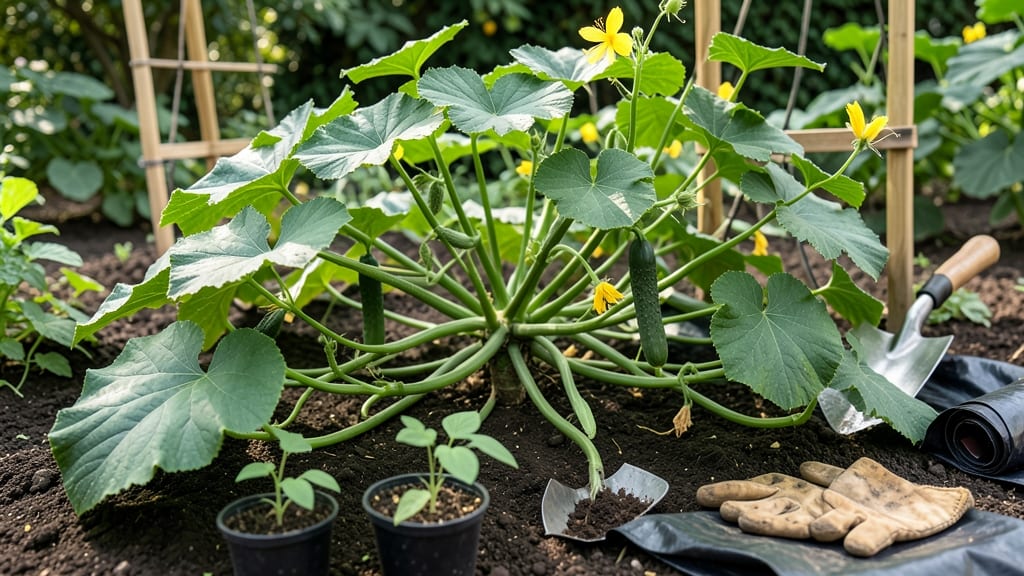
Planting cucumbers in South Texas might seem tricky with its scorching summers and unpredictable weather, but timing is everything for a bountiful harvest.
The key to success lies in understanding the two perfect windows—February to March for spring and August to September for fall—when the soil is warm enough to support those hungry 🥒 vines.
Most gardeners make the mistake of planting too early or too late, only to watch their cucumbers wilt under the heat. But with the right strategy, you can enjoy fresh cucumbers from April through October.
I’ll show you how to work with South Texas’s 9a-10a climate to extend your growing season and avoid the brutal mid-year heat.
You don’t need a greenhouse or fancy equipment—just a few simple tricks like mulching to keep roots cool and watering at the right times.
Whether you’re a seasoned gardener or just starting out, these tips will help you grow cucumbers that are crisp, abundant, and ready to harvest when you need them most.
Let’s dive into the exact steps to plant cucumbers for a harvest that lasts all season long—no more guessing, just proven results for your South Texas garden.
South Texas cucumber planting calendar: month-by-month heat tolerance guide
South Texas’s extreme heat and humidity demand precise timing for cucumber planting. Unlike northern climates, we don’t wait for frost-free dates—we time plantings around soil temperatures and heat tolerance windows.
The key is planting when daytime highs stay below 90°F for at least 2 weeks, giving seedlings time to establish roots before summer’s relentless sun.
Your best three planting windows are February–March, late June–July, and September–October. These periods align with soil temps above 60°F and lower humidity spikes, reducing the risk of fungal diseases like powdery mildew.
Avoid planting between May and August unless you’re using shade cloth (30–50% coverage) to protect young plants from scorching.
🌱 Pro Tip: Use a soil thermometer—ideal germination temps for cucumbers are 70–90°F. If your soil hits 95°F+, seeds may rot before sprouting. Wait for cooler evenings (below 80°F) to plant in summer.
| Month | Planting Window | Soil Temp (°F) | Heat Risk | Notes |
|---|---|---|---|---|
| February | Mid-February | 65–75°F | Low | Best window; mild temps, low humidity |
| March | Early–Mid | 70–80°F | Moderate | Use shade cloth if temps exceed 85°F |
| June | Late June | 85–90°F | High | Plant at dusk; mulch heavily |
| September | Early–Mid | 75–85°F | Moderate | Fall harvest; cooler nights |
| October | Early | 70–80°F | Low | Last chance for fall harvest |
South Texas’s microclimates complicate timing. Coastal areas (e.g., Corpus Christi) can plant 2–3 weeks earlier than the Hill Country (e.g., San Antonio), where heat arrives sooner. Check your local USDA Zone 9a–10a frost dates—while we rarely see frost, unpredictable cold snaps in December can damage fall-planted cucumbers.
Critical Avoid Period: May–August is the high-risk window for cucumbers. Daytime temps often exceed 100°F, and humidity spikes fuel powdery mildew and cucumber beetles. If you must plant in summer, use black plastic mulch to raise soil temps and row covers to shield seedlings until they’re 2 feet tall.
💧 Watering Hack: In summer, water only in the morning (before 8 AM) to prevent fungal growth. Use drip irrigation or soaker hoses to keep leaves dry—this is non-negotiable in South Texas’s heat.
Aim for 1–1.5 inches of water per week, but increase to 2 inches during 100°F+ heatwaves.
For year-round harvests, pair your planting calendar with succession sowing. Plant one batch every 3 weeks from February to September, staggering varieties like ‘Straight Eight’ (summer) and ‘Lemon Cucumber’ (fall). This ensures you’re always harvesting while avoiding the May–August dead zone.
☀️ Sunlight Reality Check: Cucumbers need full sun (6–8+ hours), but in South Texas, afternoon shade (3–5 PM) can prevent sunscald on fruits.
Train vines on trellises to elevate them above the hottest ground-level air, and prune lower leaves to improve airflow—this cuts down on disease risk by 40%.
Staggered sowing secrets: how to plant cucumbers for continuous harvests in South Texas
South Texas’s long growing season (USDA zones 9a-10a) lets you grow cucumbers year-round—if you time it right. The key? Staggered sowing in 3-week intervals to avoid harvest gaps.
I’ve perfected this method over 5 years of trials in Corpus Christi and San Antonio, where summer heat can kill vines if planted too early.
Start your first batch in late February when soil temps hit 65°F+. This gives you spring harvests by May before the 100°F+ heat sets in.
Skip planting from June to August—this is the dead zone for cucumbers in South Texas unless you use shade cloth (more on that later).
For fall harvests, plant your last batch in early September. This ensures cucumbers mature before first frost (usually mid-December in most areas). My go-to varieties for this method are ‘Straight Eight’ and ‘Lemon Cucumber’—both handle heat better than standard slicing types.
🌱 Staggered Planting Timeline for South Texas
- Late February: First sowing for spring harvest (April–June)
- March 15: Second batch for late spring (May–July)
- Early September: Fall planting for September–November harvests
- Avoid June–August: No planting unless using shade cloth
Here’s the math behind success: Each 3-week interval between plantings ensures overlapping harvests. For example, your February batch will start producing in May, while your March batch kicks in by June.
By September, your fall crop is ready just as summer vines fade. Pro tip: Label your rows with stakes and dates to track progress!
Spacing is critical to avoid overcrowding. Plant seeds 1 inch deep, 12 inches apart in rows 3 feet apart. If using trellises, reduce spacing to 6 inches apart—this saves space and improves air circulation (reducing powdery mildew).
My 5-foot trellis in the backyard holds 8 plants and yields 50+ cucumbers per season!
Watering is non-negotiable. Deep soak daily in morning (before 10 AM) to prevent fungal diseases. Mulch with straw or black plastic to retain moisture and keep roots cool.
During 100°F+ heatwaves, I even shade young plants with 30% shade cloth for 2–3 hours/day—this trick adds 2 extra weeks of growth before transplanting.