
Plants
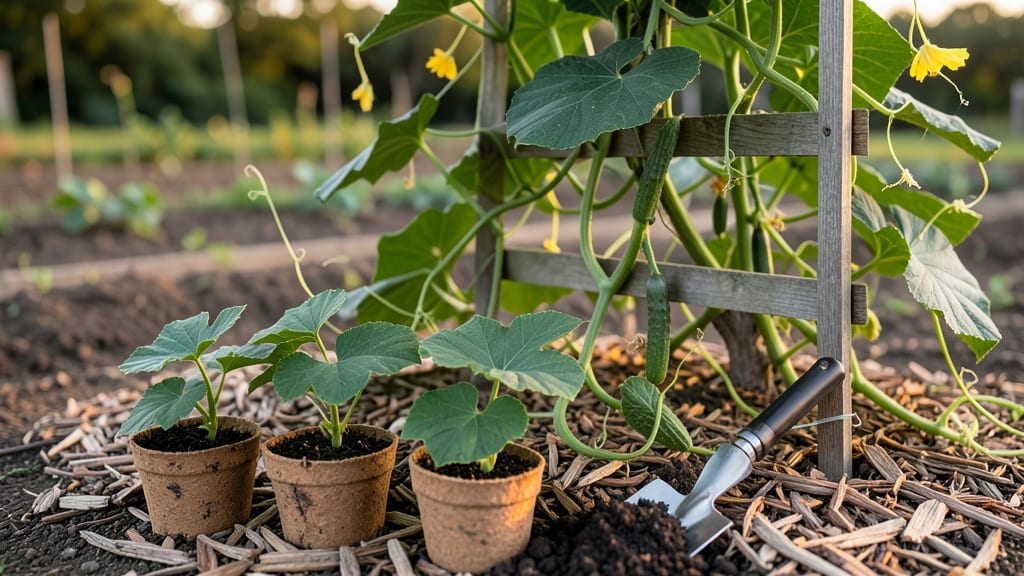
Timing your cucumber planting just right in Central Texas is the secret to avoiding frost damage and scorching heat—both of which can turn your garden dreams into a wilted mess before harvest.
The key lies in knowing when to start seeds or transplant seedlings, whether you're aiming for a spring bounty or a fall harvest.
For most Central Texas gardeners in zones 8a-8b, the ideal window opens in mid-March to early April after the last frost (usually around March 15), but summer planting in late July can extend your harvest into September.
The challenge? Our brutal summer heat demands heat-resistant varieties and smart watering to keep your 🥒 cucumbers thriving.
I’ve tested the best strategies over years of gardening here, and what works isn’t just about dates—it’s about soil prep, shade tricks, and choosing the right varieties that won’t bolt in 95°F+ temperatures. Let me walk you through the exact steps to maximize your yield, from seed to harvest.
Whether you’re a first-timer or a seasoned gardener, these insights will help you beat the Texas climate and enjoy fresh cucumbers straight from your garden all season long. Ready to dive in?
Central Texas cucumber planting calendar: exact dates for success
Central Texas gardeners face a unique challenge: scorching summers and unpredictable spring frosts. Cucumbers thrive in warm soil (at least 60°F) but struggle when temperatures exceed 90°F without proper care.
The key is planting at the right time to avoid both extremes—mid-March to early April for spring harvests and late July to early August for fall production.
Your last average frost date in Central Texas is around March 15, but soil temperature is the real indicator. Use a soil thermometer to confirm it’s warmed to 60°F+ before planting.
In Austin, San Antonio, and Waco, microclimates can shift planting windows by 1-2 weeks, so always check local frost data from sources like Texas A&M AgriLife Extension.
Here’s the breakdown for two successful planting windows:
| Planting Window | Soil Temp Requirement | Average Last Frost Date | Harvest Timeline | Heat Risk |
|---|---|---|---|---|
| Spring (Direct Sow) | 60°F+ | March 15 | June–July | Moderate (use shade cloth) |
| Spring (Transplant) | 60°F+ | April 1 | July–August | High (plant heat-tolerant varieties) |
| Fall (Direct Sow) | 60°F+ | None (heat tolerance) | September–October | Low (cooler temps) |
For spring planting, start seeds indoors 4-6 weeks before your last frost date (around February 15) if you’re using transplants.
Harden them off before moving outdoors. Fall planting is trickier—aim for late July to early August to give cucumbers time to mature before first frost (around November 15). Use row covers in late fall to extend the season.
Central Texas’s USDA zones 8a-9a mean we can push boundaries, but heat stress is real. If daytime temps hit 95°F+, cucumbers may stop producing or develop bitter fruit.
To combat this, I recommend drip irrigation (keep soil moist but not soggy) and shade cloth (30-50%) during peak afternoon heat. Even black plastic mulch can raise soil temps by 5-10°F, giving seedlings a head start in spring.
Don’t forget to rotate planting locations yearly to prevent soil-borne diseases like powdery mildew, which thrives in Central Texas’s humidity. If you’re in a drier microclimate (like Waco), prioritize drought-tolerant varieties and deep watering schedules.
In more humid areas (like Houston’s outskirts), focus on airflow and resistant varieties to avoid fungal issues.
Pro tip: Test your soil pH before planting—cucumbers prefer 6.0-6.8. If your soil is too alkaline (common in Central Texas), amend it with sulfur or peat moss 4-6 weeks before planting. This small step can double your yield by improving nutrient uptake.
Finally, track your local weather patterns—Central Texas is unpredictable! Use tools like the National Weather Service’s frost prediction maps or apps like PlantNet to adjust your timeline.
With these exact dates and tips, you’ll avoid the two biggest mistakes: planting too early (frost damage) or too late (wilting vines).
Ready to plant? Grab your soil thermometer and mark your calendar for March 22–April 5 (spring) or July 25–August 8 (fall). Your homegrown cucumbers will thank you! 🥒
Central Texas cucumber planting calendar: exact dates for success
Central Texas’s USDA zones 8a-8b create a unique challenge for cucumber growers—we can’t afford to plant too early (risking frost) or too late (suffering from heat stress).
The average last frost date hovers around March 15, but microclimates in cities like Austin, San Antonio, and Waco can shift this by 1-2 weeks. For a spring harvest, aim to plant after soil temperatures hit 60°F, typically mid-March to early April.
For a fall harvest, late July to early August is your best bet—this timing lets you beat the peak summer heat (when temps often exceed 100°F) and still produce cucumbers before the first frost in mid-November.
I’ve found that succession planting every 2 weeks in spring and again in summer ensures a steady supply of fresh 🥒 cucumbers all season.
| Planting Window | Soil Temp Requirement | Key Considerations | Harvest Timeline |
|---|---|---|---|
| Spring (March 15-April 15) | 60°F+ | Use black plastic mulch to warm soil; protect seedlings from late frosts with row covers. | June-July |
| Summer (July 15-August 15) | 70°F+ | Plant heat-tolerant varieties; provide afternoon shade (30-50%) to prevent bolting. | September-October |
| Fall (August 1-September 15) | 65°F+ | Extend season with cold frames; choose disease-resistant varieties for cooler temps. | October-November |
One trick I swear by is using a soil thermometer—don’t rely on air temperature alone. Cucumbers need consistent warmth to germinate properly, and cool soil can stall growth for weeks.
If you’re in a warmer microclimate (like near a blacktop or in urban areas), you might push planting back by 10 days. Conversely, higher elevations (like Hill Country) may need an extra week of caution.
For direct sowing, plant seeds ½ inch deep and space them 2-3 feet apart (or thinner if using trellises). If you’re transplanting seedlings, harden them off for 7-10 days before setting them out.
My go-to method is to start seeds indoors in late February under grow lights, then transplant after the last frost—this gives me a 2-week head start on the season.
Don’t forget to monitor local frost alerts—the National Weather Service’s Central Texas office provides updated frost risk forecasts. I also recommend setting up a simple frost alarm (like a DIY bucket-and-string system) to wake up to potential cold snaps.
With these dates and prep steps, you’ll avoid the common pitfalls of bolting (premature flowering) or poor germination that plague so many Texas gardeners.
Pro tip: Mark your planting dates on a garden journal along with soil temps and rainfall. Over time, you’ll spot patterns—like how my San Antonio garden always needs planting 10 days later than my Austin plots due to urban heat islands.
Tracking these details turns guesswork into a reliable system for year-after-year success.