
Flowers
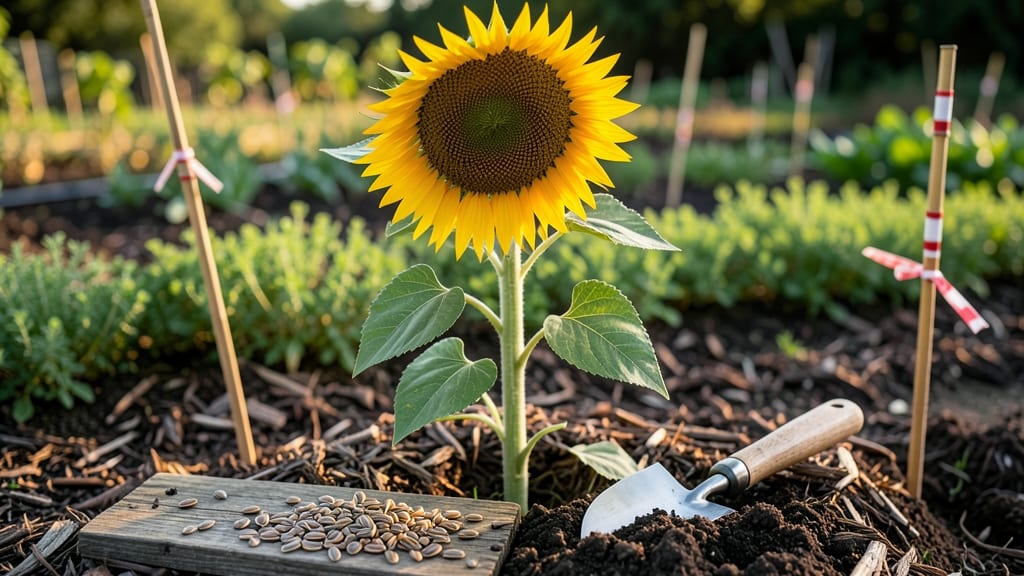
Planting sunflowers in Alabama isn't just about dropping seeds in the dirt—it's about catching that perfect frost-free window to watch those 🌻 giants reach their full potential. With Alabama's warm climate and long growing season, you've got a golden opportunity, but timing matters more than you might think.
Too early, and frost could nip your blooms before they even open; too late, and you'll miss the chance to harvest those towering stems before fall sets in.
Whether you're growing 14-foot monsters for your backyard or petite varieties for snacking, knowing when to plant sunflowers in Alabama means understanding your region's last frost date—typically around March 15 in most areas.
But here's the kicker: the right planting schedule depends on whether you're in the cooler hills of North Alabama or the balmier South, where the growing season stretches even longer.
I'll break down exactly when to plant sunflowers in Alabama, from the ideal mid-April to early July window to how soil prep and variety choices can extend your harvest into October.
You'll learn which sunflower types thrive best in your zone, how to adjust for microclimates, and why starting seeds indoors might be your secret weapon for a head start.
Ready to grow sunflowers that make your neighbors green with envy? Let’s get your 🌻 timeline locked in so you can enjoy those sunlit blooms from late summer right through fall.
Alabama sunflower planting calendar: frost dates by region & variety type
Alabama’s diverse climate means your sunflower planting schedule should match your region—whether you’re in the cooler North Alabama hills or the warmer South Alabama plains. The key is avoiding frost damage while ensuring your sunflowers mature before the first fall frost, typically around mid-November.
Let’s break down the ideal planting windows for each region and sunflower type.
For North Alabama (USDA Zones 7a-7b), like Huntsville or Decatur, your last frost usually hits around March 20-25. This means you’ll want to plant sunflower seeds 2-3 weeks after that date—so aim for early to mid-April.
If you’re growing giant varieties (10+ ft), like ‘Russian Giant,’ you’ll need to start seeds indoors in late March to give them a head start.
In Central Alabama (Zones 7b-8a), including Birmingham and Montgomery, the last frost arrives around March 15. You can safely direct-sow sunflower seeds outdoors starting April 1-15.
This region’s longer growing season lets you extend planting into early June for late-summer blooms, especially for medium varieties (5-8 ft) like ‘Moulin Rouge.’
For South Alabama (Zones 8a-8b), such as Mobile or Dothan, frost is rare before February 15. Here, you can plant sunflowers as early as mid-March and even push planting into late June for fall harvests.
Dwarf varieties (under 4 ft) like ‘Teddy Bear’ thrive here, giving you multiple planting opportunities.
🌻
| Region | Last Frost Date | Ideal Planting Window | Giant Varieties (10+ ft) | Medium Varieties (5-8 ft) | Dwarf Varieties (<4 ft) |
|---|---|---|---|---|---|
| North Alabama | March 20-25 | Early to mid-April | Start indoors late March | Direct-sow April 15-May 1 | Direct-sow April 15-June 1 |
| Central Alabama | March 15 | April 1-15 | Direct-sow April 15 | Direct-sow April 1-June 15 | Direct-sow March 15-July 1 |
| South Alabama | February 15 | Mid-March to June 30 | Direct-sow March 15-May 1 | Direct-sow March 1-July 15 | Direct-sow March 1-August 1 |
Note: Adjust planting dates 1-2 weeks earlier for cooler microclimates or later for sheltered, warmer spots.
Now that you’ve got your frost dates locked in, let’s talk variety-specific deadlines. Giant sunflowers need 90-120 days to mature, so in North Alabama, you’ll need to plant by mid-May to avoid fall frost.
Medium varieties, like ‘Autumn Beauty,’ have a 70-90 day window, giving you flexibility to plant as late as early July in Central and South Alabama.
Dwarf sunflowers are the most forgiving, with 50-70 day maturity times. This means you can plant them as late as mid-July in South Alabama and still enjoy blooms before frost. These varieties are perfect for container gardening or adding to pollinator gardens late in the season.
🌿
Pro tip: Use a planting calendar or set reminders for your region’s last frost date. Alabama’s Alabama Cooperative Extension System offers frost date maps and local planting guides tailored to your county. Bookmark their resources to stay ahead of seasonal shifts!
Next, we’ll dive into how to adjust your planting strategy for Alabama’s microclimates and soil conditions—because even within a region, your backyard’s unique conditions can shift your ideal planting window by weeks.
How to adjust sunflower planting for Alabama’s microclimates & soil conditions
Alabama’s climate isn’t just about broad regions—your backyard’s unique conditions can shift your sunflower planting window by weeks. For example, a hilltop garden in Huntsville might experience frost a week later than a valley garden just 10 miles away.
To adjust, observe your microclimate: note where frost lingers longest (often low-lying areas) and where heat builds up (south-facing slopes). Use these observations to fine-tune your planting schedule by 1-2 weeks earlier or later than the regional averages.
If you’re in a cooler microclimate, like the Appalachian foothills, consider starting giant sunflower seeds indoors 4-6 weeks before your last frost date. Use biodegradable pots to transplant seedlings outdoors after the frost risk passes.
For dwarf varieties, you can often skip indoor starting entirely—just direct-sow after your local frost-free date. In warmer microclimates, like urban heat islands in Birmingham, you might push planting into late May or June for fall blooms.
🌱
Microclimate Adjustments for Sunflower Planting
- 🔍 Cooler Microclimates: Start giant varieties indoors in late March; extend dwarf variety planting to mid-June.
- ☀️ Warmer Microclimates: Direct-sow as early as mid-March; push planting to July 1 for fall harvests.
- 🌿 Urban Heat Islands: Plant 2 weeks later than rural areas to avoid heat stress on young seedlings.
- 🌡️ High Elevations: Adjust planting dates 1 week earlier than valley regions.
- 💧 Near Water Bodies: Plant 1 week later to avoid prolonged soil moisture and fungal risks.
Pro Tip: Use a minimum thermometer to track nighttime temperatures—sunflowers need soil temps above 55°F to germinate.
Soil conditions play just as critical a role as timing. Sunflowers thrive in well-draining soil with a pH between 6.0 and 7.5. Before planting, test your soil’s pH and amend it if needed. Alabama’s clay-heavy soils in some areas can become compacted, slowing germination.
Mix in 2-3 inches of compost or aged manure to improve drainage and fertility. For sandy soils, like those in South Alabama, add organic matter like peat moss to retain moisture during dry spells.
🪴
Another key adjustment is choosing between direct-sowing outdoors and starting seeds indoors. For Alabama gardeners, direct-sowing is ideal for most varieties, but giant sunflowers benefit from a head start.
If you opt for indoor starting, use biodegradable pots and transplant seedlings when they’re 3-4 inches tall and soil temps are consistently above 60°F. Harden off seedlings by placing them outdoors for 2-3 hours daily for a week before transplanting.
Finally, mulch your sunflower beds with straw or wood chips after planting to conserve moisture and regulate soil temperature. In Alabama’s hot summers, mulch helps prevent soil from drying out too quickly, which can stunt growth.
For container-grown sunflowers, use self-watering pots and place them in partial shade during the hottest afternoons to protect young plants.
With these microclimate and soil adjustments, you’ll maximize your sunflower’s potential—whether you’re growing 14-foot giants or snack-size blooms. Next, we’ll explore the top 5 sunflower varieties that thrive in Alabama’s heat and humidity, complete with their specific planting deadlines to avoid frost damage.