
Plants
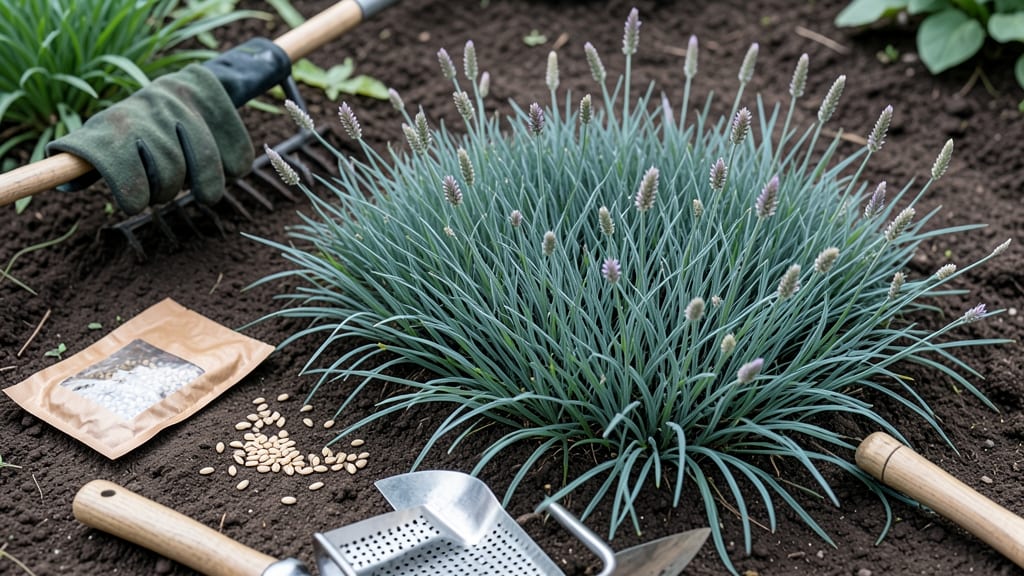
Planting rye grass at the wrong time in Texas can leave you staring at bare patches instead of a lush, green lawn.
The key to fast establishment isn't just the right seed—it's knowing exactly when to plant based on your region's climate, from North Texas's early frosts to South Texas's milder winters.
In USDA zones 8a-10b, timing matters more than you might think. Whether you're prepping for winter cover, erosion control, or a temporary lawn, the August-October window is your best bet for root development before cold weather sets in.
But here's the catch: North Texas needs seeds in the ground by late September, while South Texas has more flexibility until early November.
I'll break down the exact planting schedule for your area, plus soil prep tricks to ensure your rye grass takes off in just 2-3 weeks. No more guessing—just proven Texas-specific strategies that work, whether you're dealing with clay soil or sandy patches.
Ready to transform your yard? Let's dive into the fastest way to establish rye grass that thrives in Texas's heat and cold—without the trial and error. Your lawn (and wallet) will thank you.
Best months to plant ryegrass in Texas by climate zone
Texas’s vast size means three distinct climate zones—North, Central, and South—each with unique frost dates and rainfall patterns. Planting ryegrass at the wrong time can lead to poor germination or even failure, especially when dealing with Texas’s extreme heat and occasional freezes.
The key is aligning your planting schedule with soil temperatures, first frost dates, and seasonal rainfall to give seedlings the best chance to thrive.
For North Texas (USDA zones 7b-8a), aim for late August to early October for fall planting or late February to early March for spring. This region experiences the earliest frosts, often by mid-November, so timing is critical.
In Central Texas (zones 8a-8b), extend your window slightly to mid-September to late October, with spring planting possible until mid-April. Meanwhile, South Texas (zones 9a-10b) has a longer growing season, allowing for September to November plantings and even late winter options if conditions are mild.
Here’s how Texas’s climate zones break down for optimal ryegrass planting:
| Climate Zone | Best Planting Window | Key Considerations | First Frost Date |
|---|---|---|---|
| North Texas (7b-8a) | Late August - Early October | Soil temps 60-75°F; avoid summer heat | Mid-November |
| North Texas (Spring) | Late February - Early March | Wait for soil to warm above 50°F | N/A |
| Central Texas (8a-8b) | Mid-September - Late October | Higher humidity; monitor for fungal risks | Early December |
| Central Texas (Spring) | March - Mid-April | Spring rains help germination | N/A |
| South Texas (9a-10b) | September - November | Longer growing season; minimal frost risk | Rare (January) |
| South Texas (Winter) | Late January - Early February | Mild winters allow late plantings | N/A |
In North Texas, where frosts can arrive as early as November 15, planting 6-8 weeks before the first frost ensures your ryegrass establishes strong roots before winter. Use a fall planting calendar to track soil temperatures—ideal germination occurs between 60-75°F.
Central Texas gardeners should prioritize September plantings to take advantage of cooler temperatures and higher humidity, which reduce stress on seedlings.
For South Texas, the window is wider due to milder winters. Plant in September or October for a winter cover crop, or try late winter plantings if your area rarely sees frost. Always check local weather forecasts for unexpected cold snaps, which can damage young seedlings.
If you’re unsure about your exact frost dates, use the National Weather Service’s frost prediction maps or consult your local AgriLife Extension office for region-specific advice.
One common mistake is planting too early in summer when soil temperatures exceed 80°F. This causes seeds to dry out before germinating. Conversely, planting too late in fall risks exposing seedlings to early frosts. Aim for 4-6 weeks before the first frost to strike the perfect balance.
For example, if your area’s first frost is December 1, plant by October 15 to ensure robust growth before winter sets in.
Pro tip: Use a soil thermometer to monitor temperatures at a 2-inch depth. Ryegrass seeds need consistent moisture and 60-75°F soil temps to germinate successfully. If your soil runs hotter, wait until evening temperatures drop before planting.
Pair this with a light mulch layer (like straw) to retain moisture and regulate soil temperature.
Finally, consider overseeding in early spring (March) for a quick green-up before summer heat arrives. This works best in shaded areas or under trees where Bermuda grass struggles. Just remember: spring plantings require more frequent watering to prevent drought stress as temperatures rise.
Signs your Texas soil is ready for ryegrass planting
Before rushing to plant ryegrass in Texas, check these soil readiness signs to avoid slow germination or seedling stress. Texas’s variable climate means soil conditions can change rapidly between regions—especially from North to South Texas.
First, verify your soil temperature is between 60°F and 75°F (ideal for ryegrass germination). Use a soil thermometer or dig a 6-inch hole—if the soil feels warm but not scorching, it’s ready. Cool soil delays growth, while overheated soil can kill seeds.
Next, assess moisture levels. Ryegrass seeds need consistent moisture to sprout, but soggy soil suffocates roots. Press your finger 1-2 inches deep—if it feels damp (like a wrung-out sponge), it’s perfect. In drought-prone areas like West Texas, aim to plant after a light rainfall or irrigate lightly beforehand.
- 🌡️ Soil temp: 60°F–75°F (test with thermometer)
- 💧 Moisture: Damp but not waterlogged (1–2" deep)
- ☀️ Sunlight: Full sun (6+ hours daily) with no shade stress
- 🌬️ Weather: No rain forecast for 24–48 hours post-planting
- 🧹 Debris: Clear rocks, weeds, and thatch (use a rake)
Don’t overlook weather forecasts—plant when skies are clear for 2–3 days post-sowing. Ryegrass seeds need stability to germinate; heavy rain or wind can wash them away or bury them too deep. Check the National Weather Service for your Texas region to avoid planting before storms.
Finally, test your soil pH (ideal range: 6.0–7.0). Use a home test kit or send a sample to your local AgriLife Extension. If pH is too high (alkaline), amend with sulfur or peat moss; if too low (acidic), add lime.
Proper pH ensures ryegrass absorbs nutrients efficiently, especially in clay-heavy soils common in East Texas.
Once you’ve confirmed these signs, your Texas soil is primed for ryegrass. Plant in the late afternoon to reduce seed stress, then water lightly but frequently until germination (about 7–14 days). Consistency is key—skipping this prep can mean patchy growth or failed establishment.