
Plants
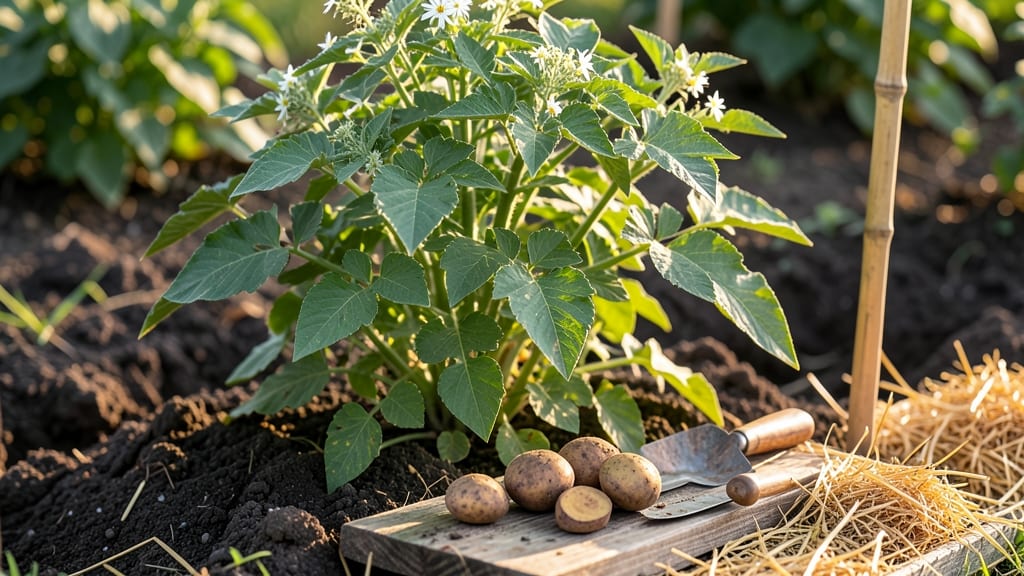
Planting potatoes in Zone 9’s warm climate isn’t just about timing—it’s about survival. Unlike cooler zones, your 🥔 tubers won’t get a break from summer’s relentless heat, so getting them in the ground at the right moment makes all the difference.
The key is to plant when soil temperatures hover between 50-60°F, typically in late winter (February-March), before the ground bakes. Too early, and your potatoes might rot; too late, and they’ll struggle to mature before the summer sun peaks.
Let’s break down exactly when—and how—to plant for maximum success.
You’ll discover how to adjust for your specific microclimate (coastal vs. inland), which varieties thrive best in Zone 9, and why container growing might be your secret weapon. With these strategies, you’ll avoid common mistakes and enjoy a harvest from April to June.
Ready to grow potatoes that actually thrive in your Zone 9 garden? Let’s dive into the exact steps that’ll turn your planting season into a zero-frost success.
Zone 9 potato planting calendar: exact weeks for zero-frost success
Zone 9’s frost-free climate means potatoes thrive year-round—but timing still matters. Unlike cooler zones, your soil temperature and daylight hours dictate the perfect window. Aim for late winter (February-March) when soil cools to 50-60°F, avoiding summer’s scorching heat.
Coastal areas like San Diego can plant slightly earlier, while inland Phoenix gardens should wait until March for ideal conditions.
Your microclimate plays a huge role. Coastal regions benefit from milder winters, allowing January plantings, while inland desert areas need to wait until late February to avoid premature wilting. Even a 2-week difference can mean the difference between a bumper crop and stunted tubers.
Here’s the breakdown for Zone 9 microclimates, including soil temp thresholds and ideal planting weeks:
| Microclimate | Soil Temp Threshold | Ideal Planting Window | Harvest Window |
|---|---|---|---|
| Coastal (e.g., San Diego, LA) | 50-60°F (Jan-Feb) | Late January - Early February | April - Early May |
| Inland Desert (e.g., Phoenix, Las Vegas) | 55-65°F (Feb-Mar) | Late February - Early March | May - June |
| Florida (e.g., Miami, Orlando) | 50-58°F (Jan-Feb) | Mid-January - Late February | March - April |
For Southern California gardeners, aim for late January to capitalize on cooler coastal breezes. In Phoenix, wait until March 1st to avoid premature stress from desert heat. Florida’s humid climate allows for earlier plantings, but avoid summer rains, which can cause rot.
Pro tip: Use a soil thermometer to confirm temps. Plant when readings consistently stay between 50-60°F for 3+ days. This ensures strong tuber formation before summer’s heat peaks.
If you’re in a hot inland area, consider shade cloth after planting to protect young sprouts. Even 30% shade can reduce heat stress by 20-30%, leading to healthier plants and bigger yields.
Remember, Zone 9 potatoes grow fastest in spring’s cooler months. By planting in February-March, you’ll harvest just as summer’s intensity ramps up—giving your tubers the perfect growing window before the real heat arrives.
Now that you’ve got your timing locked in, let’s explore how to choose the right varieties for your Zone 9 microclimate to maximize your harvest.
How to adjust planting timing for early vs late varieties in Zone 9
Zone 9’s warm winters and hot summers demand a strategic approach to potato planting—especially when choosing between early and late varieties. Early varieties like Red Pontiac or Yukon Gold thrive when planted in January-February, while heat-tolerant types like Purple Peruvian or Sweet Potato can handle March-April starts.
The trick? Stagger your plantings to spread out harvests and avoid summer stress.
For early varieties, aim to plant 8-10 weeks before your last frost-free date (though Zone 9 rarely has frost, use late February as your cutoff). These potatoes mature faster (60-90 days), so they’ll be ready to harvest before the heat peaks.
Late varieties, on the other hand, can wait until March or even early April for a summer harvest, but they’ll need extra care to avoid wilting.
Here’s how to match your variety to the perfect planting window for Zone 9:
Pro tip: If you’re in a hot inland Zone 9 (like Arizona or Las Vegas), opt for white or red-skinned varieties—they handle heat better than yellow or russet types. And always mulch heavily (3-4 inches) to keep soil cool and moist, especially after planting.
Remember, the goal is to get your potatoes in the ground when the soil is cool but warming, not scorching. Use a soil thermometer to check temperatures—if it’s above 65°F, wait a week or two.
With the right timing and variety, you’ll enjoy a continuous harvest from April through July, even in Zone 9’s heat.
Now that you’ve got your timing down, let’s tackle the 5 critical mistakes that can derail your Zone 9 potato harvest—next up in our guide!