
Companion Plants
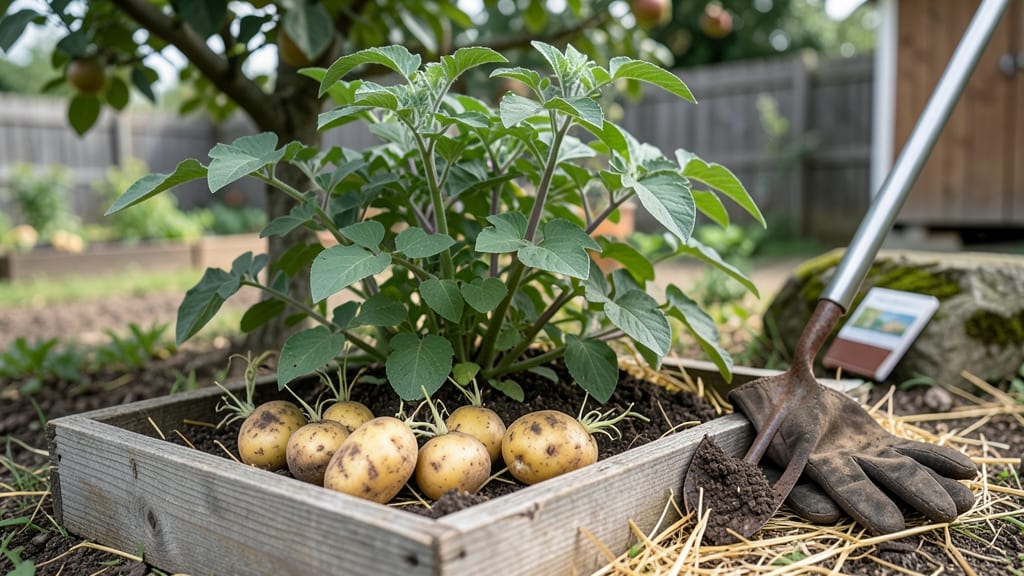
Planting potatoes in Zone 5 at the wrong time can turn your 🥔 dreams into a frost-killed disaster—so timing isn’t just important, it’s everything.
The difference between a thriving harvest and wasted seed potatoes often comes down to knowing exactly when to get them in the ground, whether you’re working with early varieties or late-season favorites.
Here’s the deal: In Zone 5, you’ve got a narrow window to plant before that last frost hits around April 15. But don’t stress—this guide breaks down the exact dates for planting, from chitting your seed potatoes to adjusting for unpredictable spring weather.
Whether you’re a first-timer or a seasoned gardener, getting this right means more potatoes in your future.
You’ll learn how to calculate your local last-frost date, choose the best varieties for your timeline, and even protect your crop if Mother Nature throws a curveball. Let’s get those spuds in the ground at the perfect moment so you can enjoy a harvest that’ll make your neighbors jealous.
Ready to dig in? The key to success starts with the right timing—and I’ve got all the details to make sure your potatoes thrive from seed to harvest. Let’s make this your best potato-growing season yet!
Zone 5 potato planting dates: exact timeline based on last frost
Planting potatoes in Zone 5 requires precision—miss the window, and you risk frost damage or stunted growth. The key is knowing your average last frost date, which for most of Zone 5 falls around April 15. However, this can vary by 1-2 weeks depending on your exact location.
For early varieties, you can start planting as soon as the soil reaches 40°F (4°C)—typically late March to early April. Late varieties should wait until after the last frost, usually mid-April to early May, to ensure tubers develop properly before cooler fall temperatures arrive.
Here’s the golden rule: potatoes need 90-120 frost-free days to mature. Zone 5’s short growing season means you’ll need to choose varieties wisely—more on that later!
🌱
| Stage | Action | Timeframe (Zone 5) |
|---|---|---|
| Soil Prep | Loosen soil, add compost | Late March |
| Chitting (Optional) | Expose seed potatoes to light | February-March |
| Early Varieties | Plant 4" deep, 12" apart | Late March-Early April |
| Late Varieties | Plant after last frost | Mid-April-Early May |
| Hilling | Add soil to stems every 2 weeks | May-July |
| Harvest | Dig when foliage yellows | July-September |
If you’re unsure about your last frost date, check your local USDA Plant Hardiness Zone Map or ask at your county extension office.
For example, in Chicago (Zone 5a), the last frost is often April 20, while in Syracuse (Zone 5b), it’s closer to April 10.
Pro tip: Use a frost blanket or row cover to plant 2-3 weeks earlier if you’re eager to start. This protects tender sprouts from late frosts while accelerating growth.
For container gardening, plant in late April to early May—containers warm up faster but also cool down quicker, making them riskier for early planting.
🌿
Remember, potatoes are cool-season crops, so they thrive in Zone 5’s moderate spring temperatures. Once summer heat arrives, growth slows, which is why choosing the right variety is critical for maximizing your harvest.
Next, we’ll cover how to adjust your planting schedule when Zone 5’s unpredictable spring weather throws curveballs—like those late frosts that seem to pop up every year!
How to adjust potato planting for Zone 5’s unpredictable spring weather
Zone 5’s spring weather can be as unpredictable as a toddler’s mood—one day it’s sunny, the next it’s a frosty surprise that’ll kill your potato sprouts overnight. That’s why flexible planning is your best defense.
The average last frost date for Zone 5 is April 15, but Mother Nature doesn’t always follow the script. Late frosts can push that date back by 2-3 weeks, leaving you scrambling if you planted too early.
Don’t panic—there are smart ways to adapt. First, monitor your local frost alerts (check the National Weather Service or a trusted gardening app). If frost is forecasted after planting, cover your rows with a lightweight frost blanket or old bedsheets secured with bricks.
This simple trick can save your crop when temps dip below 28°F.
Another trick? Plant in staggered batches. Instead of putting all your seed potatoes in the ground at once, divide them into two planting sessions: one in early April and another in mid-May.
This way, if the first batch gets zapped by frost, you still have a backup harvest. It’s like having a safety net for your spuds!
🌱
If you’re dealing with wet, soggy soil after heavy rains, hold off planting until the ground dries out. Waterlogged soil cuts off oxygen to your potatoes, leading to rotten tubers before they even sprout.
Amend your soil with compost or sand if drainage is poor—this improves aeration and gives your potatoes the dry, crumbly environment they love.
For extra insurance, consider using a cold frame or mini greenhouse. These low-cost structures trap heat and can push your planting window 2-4 weeks earlier than outdoor planting.
Just place your seed potatoes inside a few weeks before your usual start date, and transplant them outside once the soil warms up. It’s like giving your potatoes a head start in a cozy greenhouse!
Finally, keep an eye on your plants’ growth stage. If they’re still small when frost threatens, cover them immediately. Once they reach 6 inches tall, they’re more resilient—but don’t take chances. A little extra care now means a bigger harvest later, and who doesn’t want that?