
Plants
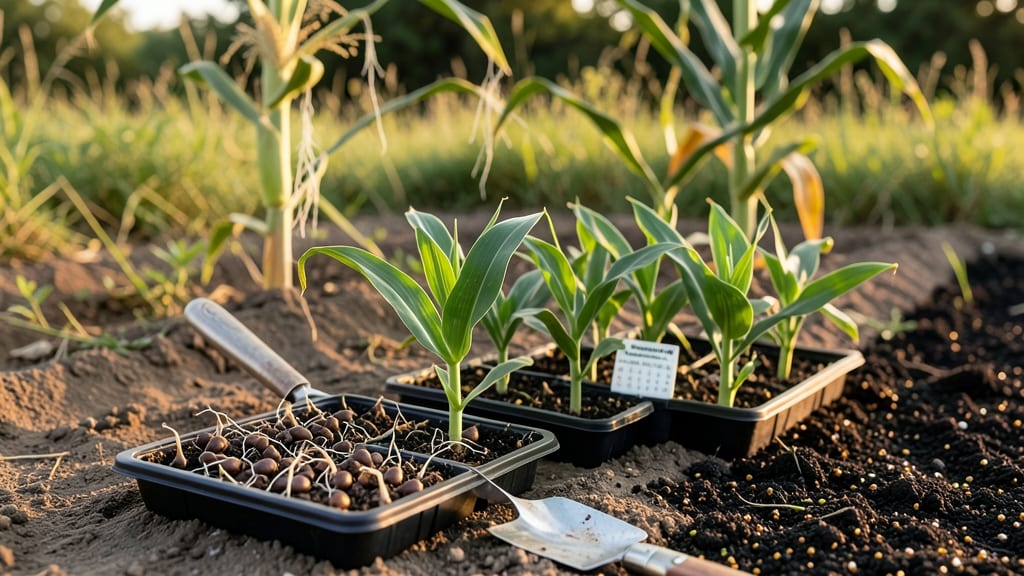
Planting corn in North Carolina at the right time means the difference between a bumper crop of sweet 🌽 and a disappointing harvest.
The perfect window starts in mid-April and stretches through early June, but your exact timing depends on your hardiness zone—whether you're in the mountains, Piedmont, or Coastal Plain.
Why does this matter? Corn thrives when soil temperatures hit 60°F or higher, and planting too early risks frost damage while waiting too late can shorten your growing season. Most gardeners in zones 6a-8b can safely start seeds after the last frost date, but regional microclimates mean adjustments are key.
In this guide, I’ll break down the ideal planting dates for your specific zone, plus pro tips for soil prep and variety selection. Whether you're growing sweet corn for summer meals or field corn for fall storage, getting the timing right is the most important step to a successful harvest.
Ready to maximize your yield? Let’s dive into the zone-specific details that will help you plant with confidence—and avoid common mistakes that ruin corn crops every year.
North Carolina planting zones & ideal corn planting dates by month
North Carolina spans USDA zones 6b through 8a, meaning your last frost date can vary dramatically—from early March in the mountains (zone 6b) to mid-April in the coastal plain (zone 8a).
This variation directly impacts when you should plant corn for maximum success. For sweet corn, field corn, and popcorn, timing is critical to avoid frost damage and ensure full maturity before fall.
Corn thrives when soil temperatures reach at least 60°F, which typically occurs 2-4 weeks after your last frost date. Using a soil thermometer is the best way to confirm readiness—cold soil slows germination and weakens seedlings.
In North Carolina, this usually translates to planting between mid-April and early June, depending on your zone and variety.
Here’s a breakdown of ideal planting windows by month and zone, including soil temperature requirements and last-frost considerations:
For gardeners in zone 6b (mountains), focus on early-maturing varieties like 'Early Sunglow' (65 days) to avoid fall frost. In zone 8a (coastal), you can plant late-season varieties like 'Silver Queen' (110 days) as late as early June for a fall harvest.
Always check your local frost-free period—most NC regions have 180-210 frost-free days, which is perfect for corn’s 60-120
How to adjust planting dates for early varieties, late varieties, and successive plantings
North Carolina's diverse climate lets you stretch your corn harvest season by choosing the right varieties and planting strategies.
Early-maturing hybrids like 'Silver Queen' or 'Early Sunglow' can be sown as early as mid-April in warmer coastal areas, while mountain gardeners should wait until late April to early May to avoid frost.
These varieties mature in 60-75 days, giving you a jump-start on harvests as early as late July.
For a longer harvest window, opt for late-season varieties such as 'Peaches and Cream' or 'Bodacious', which thrive when planted in late May. These take 90-110 days to mature, extending your harvest into September or October.
The key is matching your variety to your frost-free period—most NC regions have 180-200 frost-free days, but mountain areas may only have 150 days.
🌽 Pro Tip: Use a frost-free calculator (like the Old Farmer's Almanac tool) to pinpoint your exact last frost date. Subtract your chosen variety's days to maturity to determine the latest planting window.
For example, a 90-day variety in a 200-day frost-free zone can be planted as late as early July for a fall harvest.
For continuous production, try successive plantings every 2-3 weeks from April through June. Space your plantings so that each batch matures at different times, ensuring fresh ears throughout summer. In Zone 7b (Piedmont), for instance, you might plant:
Adjust your schedule based on your local microclimate. Coastal areas like Wilmington can handle later plantings, while the Blue Ridge Mountains may only support one early planting. Always prioritize planting when soil temperatures hit 60°F+—cold soil stunts root growth and delays maturity.
🌱 Remember: Corn thrives on warmth, so if your early plantings struggle, consider using black plastic mulch or row covers to accelerate soil warming. This trick can shave off 1-2 weeks from your growing season, giving you an earlier harvest in cooler zones.
By mixing early, mid-, and late-season varieties, you can enjoy fresh corn from July through October—even in North Carolina's shorter growing seasons. Start with 2-3 varieties to test what works best in your garden, and adjust your schedule each year based on weather patterns.