
Companion Plants
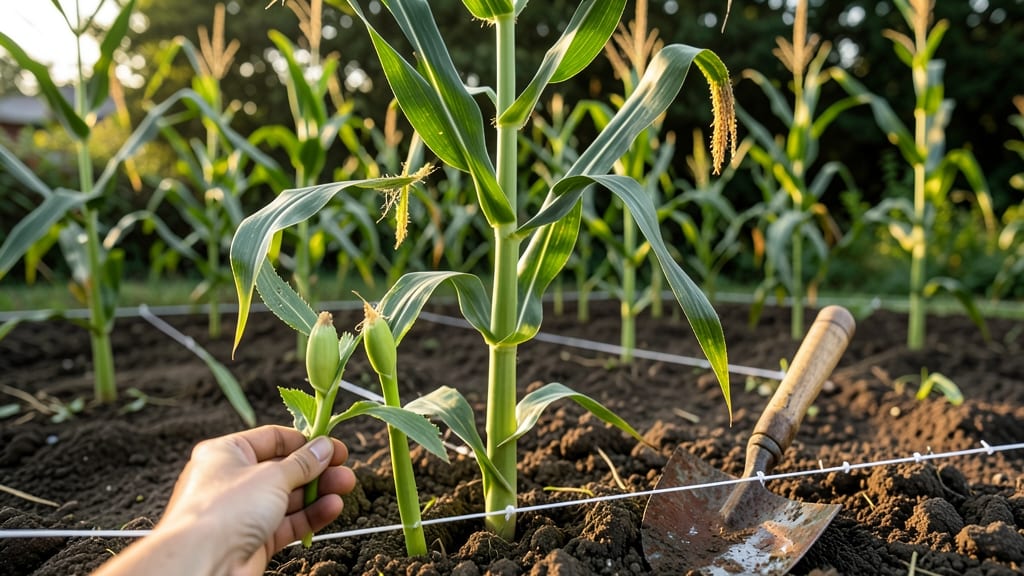
Planting field corn in North Carolina at the wrong time can mean the difference between a bumper crop and a disappointing harvest—especially when you’re dealing with the state’s varied heat zones and unpredictable spring weather.
If you’ve ever watched your corn struggle to germinate after a late frost or seen stalks bolt too quickly in scorching summer heat, you know timing is everything.
The key to success lies in planting after soil temperatures hit 60°F and all frost risk has passed, typically between late April and mid-May for most of NC’s 7a-8b zones.
In this guide, I’ll break down the exact planting windows for your region, how to adjust for early vs. late varieties, and the 5 critical signs your timing might be off before it’s too late. Let’s get your 🌽 off to the strongest start possible.
Whether you’re growing sweet corn for the table or field corn for livestock, getting the timing right means bigger ears, better yields, and fewer headaches. Ready to learn the secrets to a foolproof harvest?
NC heat Zone planting deadlines for field corn by region
North Carolina’s diverse heat zones (7b-8a) create distinct planting windows for field corn—getting the timing right ensures strong germination and high yields. The last frost date (typically mid-March) and soil temperature (minimum 60°F) are your critical benchmarks.
Plant too early, and frost will kill tender seedlings; too late, and your harvest may suffer from heat stress or drought before maturity.
Most NC gardeners aim for late April to mid-May as the optimal planting window, but adjustments are needed based on your USDA zone and elevation.
For example, mountain regions (Zone 7b) may wait until early May, while coastal areas (Zone 8a) can start as early as mid-April. Always verify your local frost risk using the NC State Climate Office or Almanac for precision.
Soil temperature is non-negotiable—corn seeds won’t germinate below 55°F, and growth stalls under 60°F. Use a soil thermometer to confirm readiness. In Zone 7b, wait until mid-May if April soils are cool.
In Zone 8a, you might plant as early as late March in protected microclimates, but frost risk remains a threat until April 15.
Here’s a region-specific breakdown of your planting deadlines, soil temperature thresholds, and frost risk windows to help you plan:
| NC Region | USDA Zone | Optimal Planting Window | Soil Temp Threshold | Last Frost Date | Key Risk |
|---|---|---|---|---|---|
| Mountains (Asheville, Boone) | 7b | Early to mid-May | 60°F+ | April 15 | Late frost |
| Piedmont (Raleigh, Greensboro) | 7b-8a | Late April to early May | 58°F+ | April 1 | Cool soils |
| Coastal Plain (Wilmington, Fayetteville) | 8a | Mid-April to late April | 55°F+ | March 15 | Humidity/fungus |
| Southeast (Charlotte, Concord) | 8a | Late March to early April | 58°F+ | March 1 | Heat stress |
Pro Tip: Use black plastic mulch to warm soils faster in cooler zones like the Piedmont. This can shave 1-2 weeks off your planting timeline by raising soil temps by 5-10°F. Just remove it once plants are 6 inches tall to avoid overheating roots.
If you’re in
How to adjust planting dates for early vs. late maturing corn varieties
North Carolina’s diverse climate means you can grow both early-maturing and late-maturing field corn varieties, but timing is everything.
Early varieties like Silver Queen (80-100 days) need to hit the ground by late April to avoid frost damage, while late varieties like Bodacious (110+ days) can wait until mid-May for peak yields. The key is matching your variety’s heat tolerance to your region’s frost-free window.
For coastal NC (Zone 8a), where summers are long, late varieties thrive when planted by May 1st. In mountain regions (Zone 7b), stick to early varieties planted by April 15th to ensure harvest before first frost.
The difference in maturity dates directly impacts your harvest timing—late varieties risk stunted growth if planted too early, while early ones may mature before reaching full potential if planted late.
🌽
If you’re in a transition zone like the Piedmont, consider planting a mix of varieties. Start with early types in April for a June harvest, then follow up with late types in May for a September-October crop.
This staggered approach spreads risk and ensures you have corn at different stages of maturity. For example, Pioneer 39T03 (105 days) planted in early May will be ready by late August, while Golden Bantam (80 days) planted in April can be harvested in July.
Drought is another critical factor. Late varieties planted in mid-May have a longer growing season to weather dry spells, but they also need consistent moisture during tasseling (60-70 days after planting).
If you’re in a dry year, prioritize early varieties or supplement with drip irrigation to protect pollen development. A general rule: 1 inch of water per week during critical growth stages keeps yields strong.
Pro tip: Use a soil thermometer to confirm 60°F+ soil temps before planting—cold soil delays germination. In Zone 7b, wait until May 1st even for early varieties, as April frosts can still occur.
For Zone 8a, you can push late varieties to early June, but monitor heat stress signs like wilting or leaf scorch.
✂️