
Plants
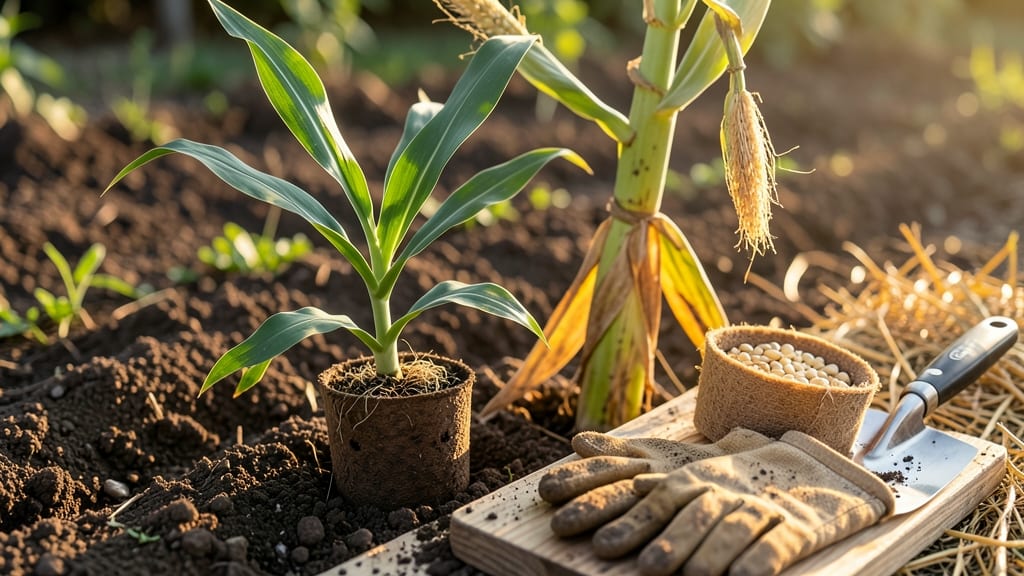
Planting corn in Arkansas at the wrong time can turn your dream harvest into a sad, stunted 🌽 disappointment—but getting the timing right means juicy, sweet ears straight from your backyard.
The key isn't just waiting for spring; it's knowing when your zone's last frost has passed and the soil is warm enough for those seeds to sprout like clockwork.
With Arkansas' 7a-8b zones offering a mid-April to early June window, you've got flexibility—but rushing too early risks frost damage, while waiting too long can leave you with tough, starchy kernels instead of the tender sweetness you crave.
I'll break down exactly when to plant based on your specific corner of the state, so you can avoid common pitfalls and maximize your yield.
Whether you're growing sweet corn for summer meals or field corn for livestock, the right timing makes all the difference. We'll cover soil temperature tricks, frost protection tips, and even how to adjust for Arkansas' unpredictable weather patterns.
Let's get those seeds in the ground at the perfect moment for a bumper crop.
From preparing your soil to spacing your plants just right, I'll walk you through every step to ensure your corn thrives from seed to harvest. Ready to grow the best corn Arkansas has to see? Let's dive in.
Arkansas corn planting dates by heat Zone: exact deadlines for success
Arkansas spans USDA Hardiness Zones 6b through 8a, meaning your corn planting window can shift by nearly a month depending on where you live.
In northern Arkansas (Zone 6b-7a), you’ll want to wait until mid-April to early May—after the last frost date—while southern Arkansas (Zone 7b-8a) gardeners can start as early as late March to mid-April. The key is planting when soil temperatures hit at least 60°F and stay consistent.
For sweet corn varieties, timing is even more critical—plant too early, and frost can kill seedlings; too late, and your harvest may face summer heat stress. Most Arkansas gardeners aim for two to three plantings spaced 10-14 days apart to stretch the harvest season.
This ensures you’re not overwhelmed with ripe ears all at once and can enjoy fresh corn from late July through September.
Here’s the visual breakdown of planting windows by zone, including ideal maturity groups for Arkansas’ climate:
| USDA Zone | Last Frost Date | Planting Window | Maturity Group | Notes |
|---|---|---|---|---|
| 6b-7a (North AR) | March 15–April 1 | Mid-April to early May | Early (FAO 100–110) | Wait for soil to warm; use row covers for frost protection. |
| 7b (Central AR) | March 20–April 5 | Late March to mid-April | Mid (FAO 110–120) | Ideal for staggered plantings; avoid late May starts. |
| 8a (South AR) | March 5–March 15 | Late February to early April | Late (FAO 120–130) | Can plant earlier; monitor for heat stress in summer. |
If you’re growing field corn or popcorn, extend your planting window slightly—these varieties tolerate cooler soils better and can handle later harvests.
However, sweet corn demands precision: plant too early, and you risk cold soil stunting; too late, and your ears may develop hard, starchy kernels instead of sweet, tender ones.
For reference, Arkansas’ average frost-free period ranges from 190 to 220 days, so align your variety’s maturity with your zone’s growing season.
Pro tip: Use a soil thermometer to confirm temperatures before planting. Corn seeds need consistent warmth—below 55°F, germination slows dramatically.
In Zone 6b, this often means waiting until after April 15, while Zone 8a gardeners can start as early as late February in microclimates like the Delta region, where soil warms faster.
For organic gardeners, consider using black plastic mulch or straw mulch to warm the soil faster in cooler zones. This can shave off 1-2 weeks from your planting timeline, giving you an earlier start. Just be sure to remove the mulch once plants emerge to prevent overheating.
One common mistake Arkansas gardeners make is planting all corn at once. Instead, space your plantings 10-14 days apart to ensure a continuous harvest. This works especially well for sweet corn, where ears ripen in waves.
For example, if your first planting goes in on April 15, follow with a second on May 1 and a third on May 15—this way, you’ll have fresh corn from late July through early October.
Always check your local extension office for year-specific frost dates, as Arkansas’ climate can shift yearly. For instance, 2023 saw late frosts in April in northern Arkansas, pushing planting back by weeks. Stay flexible, and don’t hesitate to use row covers if an unexpected frost threatens your seedlings.
Finally, remember that corn is a heavy feeder, so prepare your soil with compost or aged manure at least 2-3 weeks before planting. In Arkansas’ clay-heavy soils, amending with sand or peat moss improves drainage, which is critical for preventing root rot during the humid summer months.
With these zone-specific deadlines and soil prep tips, you’ll be ready to plant corn in Arkansas like a pro—ensuring a bountiful, sweet harvest every season. 🌱
How to adjust corn planting for Arkansas’ unpredictable weather patterns
Arkansas’ climate can throw curveballs—think late spring frosts in April or early heatwaves by May. These unpredictable shifts can derail your corn crop if you’re not prepared.
The key is flexibility: adjust your planting schedule and use protective strategies to shield tender seedlings from unexpected cold snaps or drought stress. I’ve learned that even a single night below 32°F can kill young corn plants, so planning ahead is non-negotiable.
Start by monitoring local frost alerts from sources like the National Weather Service or your county extension office. In northern Arkansas (zones 6b-7a), frosts can linger until mid-April, while southern zones (7b-8a) may see their last frost by early April.
Use this data to calculate your safe planting window—typically 2-3 weeks after the average last frost date. For extra cushion, consider planting staggered rows every 10-14 days to spread out your harvest and reduce risk.
Soil temperature is just as critical as air temperature. Corn seeds won’t germinate reliably until the soil reaches 60°F. If your spring is cool, use black plastic mulch or soil warming blankets to raise temperatures faster.
In my garden, I’ve seen soil warm up 5-7°F faster with these methods, shaving weeks off the season. For organic gardeners, incorporate well-aged compost or use straw mulch to retain heat naturally.
Drought is another Arkansas wildcard. Corn needs consistent moisture, especially during tasseling (pollination) and ear development. If rain is scarce, install a drip irrigation system or use soaker hoses to deliver water directly to the roots.
I’ve found that watering deeply once a week (1-2 inches) is more effective than shallow daily watering, which encourages shallow root growth. Mulch with straw or grass clippings to lock in moisture and suppress weeds.
For gardeners in Zone 8a (southern Arkansas), early heat can be just as problematic. If temperatures exceed 90°F before your corn reaches 6 inches tall, consider using shade cloth (30-50% coverage) to protect seedlings.
Heat stress can stunt growth or cause ear rot. I’ve also had success with succession planting: sow a second batch in early June for a fall harvest, avoiding the peak summer heat.
Finally, keep an eye on pest pressure, which spikes during unpredictable weather. Corn earworms and armyworms thrive in warm, humid conditions—common in Arkansas summers. Use row covers early in the season or apply organic insecticides like neem oil preventatively.
Rotate planting locations yearly to disrupt pest cycles, and remove any volunteer corn plants that could harbor diseases or pests.