
Plants
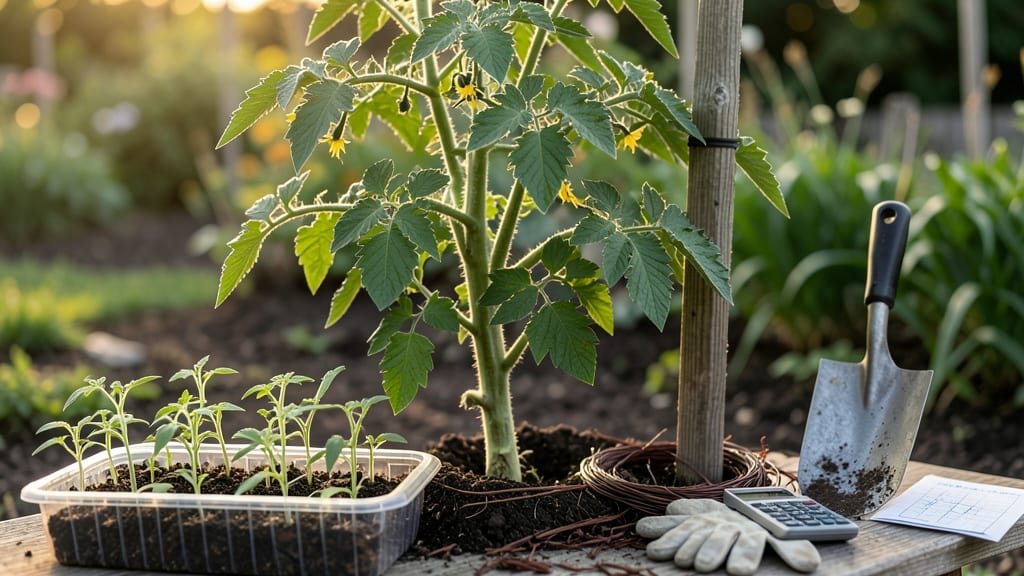
If you're wondering when to plant tomatoes in Arkansas, the answer depends on your heat zone and last frost date—but getting it right means the difference between a bumper crop and a sad, wilted 🍅 disappointment.
Arkansas gardeners in zones 7a-8b typically plant after mid-April, once soil temperatures hit 60°F and all frost risk has passed. But timing isn’t one-size-fits-all: Northern Arkansas (like Benton County) may wait until early May, while Southern regions (like Ouachita) can start as early as late March.
Why does this matter? Planting too soon risks frost damage, while waiting too long cuts your harvest short. I’ll break down the exact frost-date strategy for your county and share pro tips to extend your growing season—because in Arkansas, every extra week counts for that perfect vine-ripened tomato.
Let’s dive into the science behind Arkansas’s planting windows and how to use a frost-date calculator to nail your schedule—no guesswork, just homegrown success.
Arkansas tomato planting dates by heat Zone (6-8) and last frost dates
Arkansas’s USDA hardiness zones 6-8 create a diverse planting landscape—from the cooler Ozark Mountains in the north to the hotter Delta region in the south.
Your last frost date (typically March 15 in northern Arkansas to April 15 in the south) dictates when to plant tomato seedlings or sow seeds indoors. Get this wrong, and you’ll either lose plants to frost or struggle with blossom-end rot in summer’s heat.
For determinate varieties (bush types like Roma or Celebrity), aim for mid-April to early May in most of Arkansas. Indeterminate varieties (vining types like Sungold or Brandywine) need a longer season, so plant them 2-3 weeks later to avoid early-season diseases.
Southern Arkansas gardeners can push planting to late April without risking frost.
Here’s how to align your planting with Arkansas’s heat zones and frost dates, including county-specific adjustments for early, mid, and late varieties:
| Zone/Region | Last Frost Date | Seedlings (Transplant) | Seeds (Indoors) | Notes |
|---|---|---|---|---|
| North (Zones 6-7a) | March 15–April 1 | April 15–May 1 | March 1–March 15 | Use row covers for early starts. |
| Central (Zones 7b-8a) | March 25–April 10 | April 1–April 15 | March 15–March 30 | Ideal for heat-tolerant varieties. |
| South (Zones 8a-8b) | April 1–April 15 | April 15–May 1 | March 20–April 1 | Extend season with shade cloth. |
For northern Arkansas counties like Benton or Washington, wait until mid-April to transplant seedlings, even if you started them indoors in February. Hardening off seedlings is critical—cold snaps can still hit in April.
In southern Arkansas, like Arkansas or Chicot counties, you can plant early varieties as soon as April 1 and still avoid frost.
Pro tip: Use black plastic mulch to warm soil faster in cooler zones. This can shave 1-2 weeks off your planting timeline by raising soil temps to 60°F+. Pair this with drip irrigation to keep roots consistently moist, which prevents cracked tomatoes during Arkansas’s summer heat spikes.
If you’re growing heirloom varieties with longer maturity dates (like Cherokee Purple at 85 days), start seeds indoors in February and transplant by April 15.
For fast-maturing hybrids (e.g., Early Girl at 50 days), you can push planting to late May for a fall harvest before the first frost in November.
Don’t overlook succession planting—sow a second round of seeds in late May for a late-summer harvest. This works especially well in Zone 8 areas where the growing season stretches into October. Just be sure to choose disease-resistant varieties like Mountain Merit to combat Arkansas’s humid conditions.
For container gardening, start seedlings indoors in March and move pots outside after the last frost. Use 5-gallon containers for indeterminate varieties to support their 6-foot vines. Place containers in full sun (south-facing) and water deeply every 1-2 days to mimic in-ground moisture levels.
Arkansas’s microclimates mean your neighbor’s frost date might not match yours. Check local Cooperative Extension Service data for your county—some areas, like the Boston Mountains, can have 2 weeks later frost dates than nearby valleys. When in doubt, plant a few extra seedlings and use row covers for insurance.
How to use a frost-date calculator for Arkansas tomatoes (with free tools)
Calculating your exact tomato planting window in Arkansas isn’t guesswork—it’s about using free frost-date tools to align with your county’s last frost averages. I’ve used these same methods for years to ensure my plants thrive, and I’ll walk you through the exact steps to get your schedule right.
First, grab your USDA Plant Hardiness Zone Map (most of Arkansas falls in zones 7a-8b) and check your county’s last frost date. For example, Northwest Arkansas (like Benton County) averages a last frost around April 15, while Southeast Arkansas (like Crittenden County) sees frost-free conditions by March 15.
Next, use the National Weather Service’s frost prediction tool or the Old Farmer’s Almanac to confirm your local trends. These tools adjust for microclimates—like valleys that frost later or hilltops that warm faster.
Pro tip: Add 2-3 weeks to your last frost date to account for soil warming (tomatoes need 60°F soil to thrive).
Use the USDA Zone Map or local weather data to pinpoint your county’s average last frost. Arkansas ranges from March 15 (South) to April 15 (North).
Tomatoes need 60°F soil. Add buffer weeks to ensure your soil is ready—especially in zone 7a areas.
Early varieties (e.g., ‘Early Girl’) need 60 days; late varieties (e.g., ‘Brandywine’) need 90 days. Plant early types first, then succession plant.
Lay down mulch 1-2 weeks before planting to warm soil faster. This lets you plant 10-14 days earlier in cooler zones.
Check your county extension office for hyper-local adjustments. They track real-time frost risks!
For example, if your last frost is April 15, add 3 weeks for soil warming (planting by May 5**), then subtract 60 days for an early variety. This gives you a June 15 harvest—just in time for summer eating! Use this formula for all your varieties.
Don’t forget to account for succession planting. If you want tomatoes from June through October, stagger plantings every 2-3 weeks after your first batch. This ensures a continuous harvest and maximizes your garden’s potential.
Finally, bookmark the Arkansas Climate Office’s frost maps for real-time updates. Their tools show 30-day forecasts, so you can adjust if an unexpected late frost is predicted. With these steps, you’ll never miss the perfect planting window again!