
Flowers
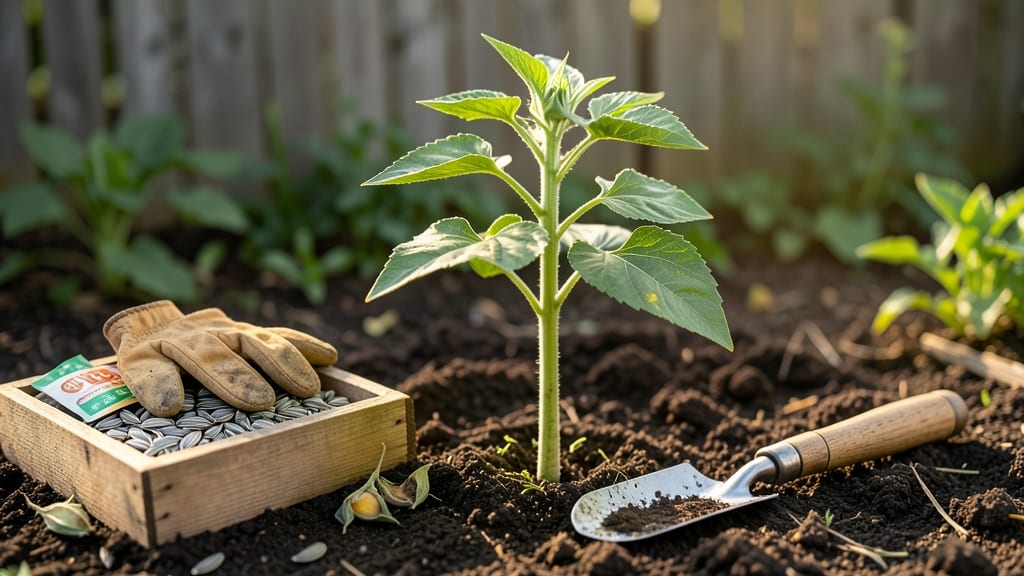
Planting sunflowers in Florida isn’t just about grabbing seeds and sticking them in the ground—it’s about beating the heat and avoiding bolting before those iconic blooms even appear. The right timing can mean the difference between towering 🌻 sunflowers and sad, bitter stalks.
Florida’s frost-free zones (8a-11) let you grow sunflowers year-round, but March through September is when you’ll get the most reliable results. Skip the peak summer months in North Florida, where intense heat can stress young plants, and you’ll set yourself up for success.
Whether you’re in South Florida’s humid coastal areas or Central Florida’s inland heat, I’ll break down the best months to plant, how to prep your soil, and even how to spot early bolting before it ruins your harvest.
Ready to grow sunflowers that reach for the sky? Let’s dive into the exact schedule that works for your corner of the Sunshine State.
Best sunflower planting months in Florida by region (avoiding bolting)
Florida’s three distinct regions create unique planting windows for sunflowers—North, Central, and South. Each zone has different frost risks and heat thresholds that determine when to plant for optimal flowering instead of premature bolting.
Let’s break down the best months for each area to ensure you grow vibrant, full-sized blooms.
In North Florida (e.g., Jacksonville, Tallahassee), the last frost typically occurs around January 31, but sunflowers thrive best when planted after the soil warms to 50°F. This usually means waiting until mid-to-late March for direct sowing.
Planting too early risks cold snaps or slow growth, while late summer plantings (after July 15) may bolt before flowering due to intense heat.
For Central Florida (Orlando, Tampa), the frost-free window expands, allowing earlier and later plantings. You can start seeds indoors in February and transplant outdoors by mid-March. The ideal window stretches from March through September, with August plantings still yielding flowers if given consistent moisture.
In South Florida (Miami, Fort Lauderdale), frost is rare to nonexistent, so sunflowers can be planted year-round. However, peak summer heat (June-August) can stress young plants, so spring (March-May) and fall (September-October) are the sweet spots for healthy, robust growth.
| Region | Best Planting Months | Avoid Planting | Key Consideration |
|---|---|---|---|
| North Florida | March–May, August–September | February, June–July | Frost risk; heat bolting |
| Central Florida | March–September | February, October–December | Humidity; late summer heat |
| South Florida | March–May, September–November | June–August (peak heat) | Year-round possible; drought stress |
If you plant in North Florida during June or July, your sunflowers may bolt before flowering due to temperatures exceeding 90°F. To prevent this, choose heat-tolerant varieties like 'Autumn Beauty' or 'Moulin Rouge', which handle Florida’s summer heat better than standard types.
Always water deeply and mulch heavily to retain moisture.
For Central and South Florida, fall plantings (September-October) often yield larger, healthier blooms because the cooler temperatures slow bolting. This is also when humidity levels drop, reducing the risk of powdery mildew, a common issue in Florida’s sticky summer air.
Pro tip: Use a soil thermometer to check temperatures before planting. Sunflowers need soil temps above 50°F to germinate properly. If your soil is too cold, start seeds indoors under grow lights 4–6 weeks before your target outdoor date.
Remember, sunflowers are annuals in Florida, meaning they complete their life cycle in one season. By aligning your planting with local frost dates and heat patterns, you’ll maximize your chances of growing sunflowers that reach their full potential—towering over your garden with bright, cheerful blooms.
🌱
How to adjust planting time for Florida’s microclimates (heat zones 8-10)
Florida’s microclimates create unique challenges for sunflower growers. Coastal areas stay cooler near the ocean, while inland cities like Orlando can hit 95°F+ by early summer. Even South Florida’s humidity demands different strategies than North Florida’s occasional cool snaps.
Adjusting your planting schedule based on your local heat zone prevents bolting and maximizes those giant sunflower blooms you dream of.
For coastal gardens (Zones 9-10), you can plant sunflowers as early as February—the ocean breeze moderates temperatures.
Inland areas should wait until March 15th to avoid soil temperatures below 50°F, which slows germination. South Florida gardeners enjoy a year-round growing window, but even here, late summer’s intense heat (above 90°F) can stress young plants.
Here’s how to fine-tune your schedule for your specific microclimate:
If you’re unsure about your local microclimate, check the USDA Plant Hardiness Zone Map and add 5°F for inland areas or subtract 5°F for coastal zones.
For example, Orlando (Zone 9a) feels like Zone 10a in summer due to urban heat, while Key West (Zone 11) stays cooler near the water.
Pro tip: Start seeds indoors 2–3 weeks before your target outdoor planting date. Use grow lights to simulate 14+ hours of light daily—this tricks sunflowers into growing faster once transplanted. Just be sure to harden off seedlings for 5–7 days before moving them outside to avoid transplant shock.
With these adjustments, you’ll avoid the bitter disappointment of bolting sunflowers and instead enjoy vibrant, towering blooms that turn every Florida garden into a sunshine spectacle. 🌻