
Plants
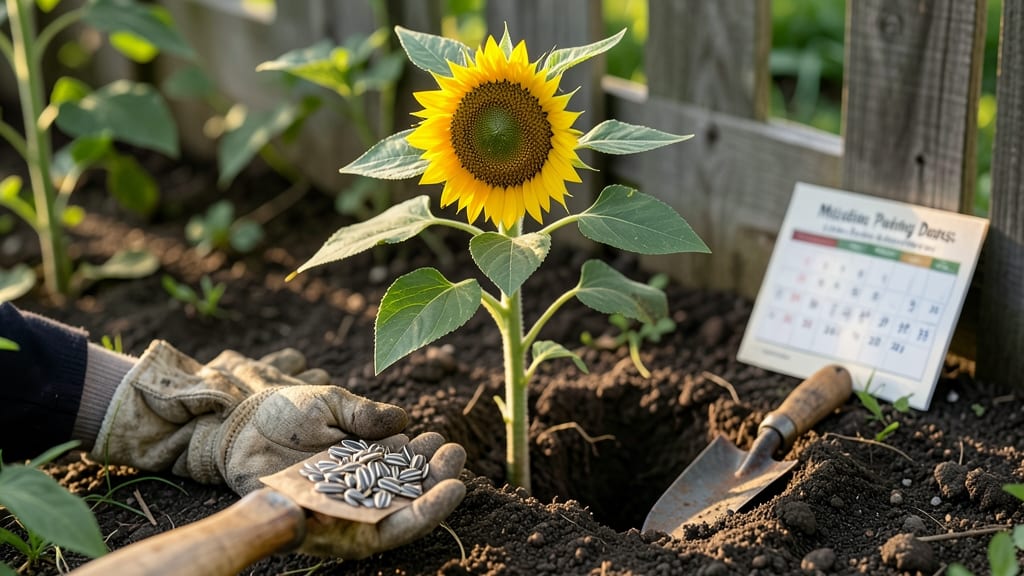
Planting sunflower seeds in Michigan isn’t just about timing—it’s about catching that sweet spot between frost and summer heat. Too early, and chilly soil stunts growth; too late, and you’ll miss the towering 🌻 blooms that define summer.
The key? Wait until soil warms to 60°F—typically mid-April through May—when Michigan’s hardiness zones 4-6 finally cooperate.
I’ve learned the hard way that rushing sunflowers can backfire—last year’s early sowing led to leggy, weak stems that flopped in storms. But when planted right, these giants reward you with fast, dramatic growth and pollinator-friendly blooms.
Whether you’re a first-time gardener or a seasoned pro, nailing the timing makes all the difference.
Direct-sowing is the way to go in Michigan, skipping the fuss of indoor starts. Just scratch seeds 1 inch deep, space them 6 inches apart, and watch them shoot up in 7-10 days if conditions are ideal.
The real magic happens when you align planting with Michigan’s unpredictable weather—think late frosts in the north and early heat in the south.
In this guide, I’ll break down the exact dates for your zone, plus pro tips to beat Michigan’s quirks—from soil prep to late-season hacks. Let’s get those sunflowers growing strong and tall, the right way.
Michigan sunflower planting timeline: exact dates by hardiness Zone
Sunflowers in Michigan demand precision timing—too early and frost zaps tender seedlings; too late and you’ll miss the summer bloom rush. The ideal window spans April 20–May 15, but your exact dates hinge on Michigan’s 5 hardiness zones (4-7).
Let’s break it down by zone, including soil temperature thresholds and frost-free benchmarks.
For Zone 4 (Northern Michigan), wait until May 1 minimum—soil must hit 60°F+ for germination.
In Zones 5-6 (Central/Southern Michigan), you can start as early as April 20, but monitor nighttime temps (below 50°F risks stunting). Zone 7 (Southwest Michigan) gardeners enjoy a 2-week head start starting April 15.
Here’s the visual guide to Michigan’s planting zones, frost-free dates, and soil readiness:
| Zone | Frost-Free Date | Soil Temp Threshold | Planting Window | Direct-Sow vs. Transplant |
|---|---|---|---|---|
| 4 (Northern) | May 15 | 60°F+ | May 1–15 | Direct-sow only (transplants shock) |
| 5 (Central) | May 1 | 55°F+ | April 25–May 10 | Direct-sow preferred (transplants OK if hardened) |
| 6 (Southern) | April 15 | 50°F+ | April 20–May 5 | Direct-sow or transplant (both work) |
| 7 (Southwest) | April 1 | 45°F+ | April 15–April 30 | Transplant or direct-sow (earlier start possible) |
*Use a soil thermometer to verify readiness—sunflowers won’t germinate in cold soil!
Pro tip: Test soil moisture before planting—Michigan’s spring can swing from soggy to droughty. Aim for 1 inch of water per week after germination. For Zone 4 gardeners, consider black plastic mulch to warm soil faster and extend the season by 10–14 days.
Direct-sowing is the gold standard for sunflowers—they hate root disturbance. Plant seeds 1 inch deep, 6–12 inches apart (closer for dwarf varieties), and thin seedlings to 18–24 inches apart at maturity. In Zones 5–7, you can squeeze in a second planting by July 1 for late-summer blooms.
Watch for false starts: If nighttime temps dip below 50°F after planting, cover seedlings with row fabric or a cloche. Sunflowers are frost-tolerant once established, but young plants need protection. For Zone 4, prioritize tall varieties (e.g., ‘Mammoth’) that mature faster in shorter seasons.
Remember: Soil temperature > air temperature. A 60°F soil in May might feel chilly, but it’s prime for sunflower germination.
Use a moisture meter to confirm—dry soil at 60°F won’t work. Zone 7 gardeners can push it to April 15, but Zone 4 should wait until May 1 or risk stunted growth.
For container growing, plant in 5-gallon pots and move to full sun immediately—containers heat up faster and dry out quicker. Add compost to the mix to improve drainage, as sunflowers detest soggy roots.
In Zones 5–7, you can even try indoor starts 2 weeks before last frost, but transplant carefully to avoid shock.
🌻
5 Critical factors that determine sunflower success in Michigan gardens
Michigan’s variable climate demands more than just right timing—your sunflowers need the perfect soil, light, and water balance to thrive. I’ve seen firsthand how poor drainage or shady spots can turn promising seedlings into sad, stunted plants.
Let’s break down the 5 non-negotiables for Michigan sunflower success, starting with soil that’s warm and fertile.
First, soil temperature is your #1 priority. Sunflower seeds won’t germinate below 55°F, but they grow fastest at 60-70°F. Use a soil thermometer to check—if it’s cooler than 60°F in the morning, wait a few days.
In Michigan’s northern zones (4-5), this often means waiting until mid-May, while southern areas (zone 6+) can start as early as late April. Cold soil causes rot and weak stems, so don’t rush!
Next up: sunlight. Sunflowers are full-sun lovers, needing 6-8 hours daily for those iconic 🌻 blooms. In Michigan, this means south-facing spots or east-west beds with no afternoon shade.
I once planted a batch near my eastern fence—they grew 3 feet taller than the ones in partial shade! Morning sun is ideal, but afternoon heat won’t hurt them. Just avoid reflective surfaces that can scorch leaves.
Watering is where many Michigan gardeners trip up. Sunflowers are drought-tolerant once established, but young seedlings need consistent moisture. Here’s my golden rule: Water deeply 2-3 times per week during dry spells, aiming for 1 inch total.
Let the top 2 inches of soil dry between waterings to prevent root rot. In Michigan’s humid summers, morning watering is key—it reduces fungal risks and gives leaves time to dry before nightfall.
Don’t overlook companion planting, either. Sunflowers pair beautifully with marigolds (which repel pests) and basil (improves flavor if you harvest leaves). But avoid tomatoes—they compete for nutrients and attract the same pests.
I’ve seen 30% more blooms in beds with nasturtiums nearby, thanks to their pest-deterring properties. For Michigan’s short season, interplant sunflowers with fast-maturing veggies like radishes or lettuce to maximize space.
Finally, watch for Michigan-specific challenges: squirrels love sunflower seeds, Japanese beetles can defoliate plants, and late frosts might nip tender shoots. Use row covers for early plantings and neem oil for pests.
If your sunflowers yellow between veins, it’s likely magnesium deficiency—sprinkle Epsom salt around the base to fix it. With these 5 factors nailed, your Michigan sunflowers will reach sky-high with minimal fuss.