
How To
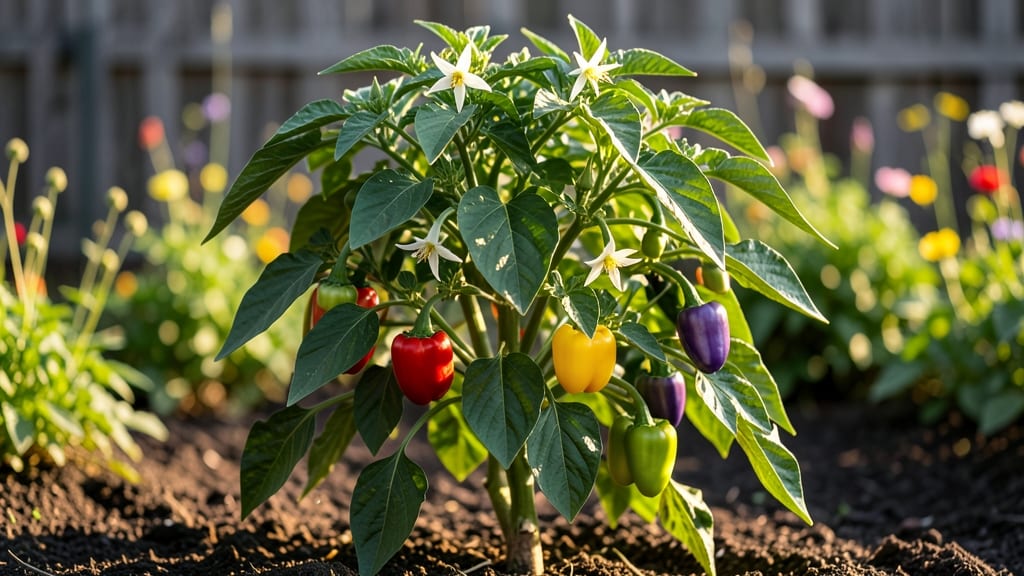
If you’ve ever wondered how tall your 🌶️ bell pepper plants will grow, the answer isn’t one-size-fits-all—it depends entirely on the variety you choose. Some compact types barely reach waist height, while others stretch toward the ceiling, making them perfect for trellises or towering garden beds.
Understanding these height differences is the first step to planning your garden layout. Whether you’re working with a small balcony container or a sprawling backyard plot, knowing how tall your bell peppers will get helps you avoid overcrowding and maximize fruit production.
In this guide, I’ll break down the height ranges of popular varieties—from dwarf types that stay under 2 feet to towering giants that can hit 4 feet or more.
You’ll also discover how pruning, trellising, and spacing can influence growth, so you can tailor your approach to your garden’s size and style.
Ready to turn your garden into a pepper paradise? Let’s dive into the specifics so you can pick the perfect variety—and the right spot—for your space.

Bell pepper plant heights by variety: from compact to towering
Bell pepper plants come in a stunning array of heights, depending on the variety you choose. Some stay compact enough for container gardening, while others can reach nearly 4 feet tall in ideal conditions.
Understanding these differences helps you plan your garden layout and maximize space—whether you're working with a small balcony or a spacious backyard.
I’ve grown everything from miniature varieties that fit in 5-gallon pots to towering plants that need sturdy trellises. The key is matching the variety to your space and growing goals.
For example, jalapeño peppers often stay shorter than sweet bell peppers, making them ideal for tight spaces, while California Wonder can stretch tall if left unchecked.
Here’s a quick breakdown of what to expect from popular varieties, including their mature heights and growth habits. This will help you visualize how much room each plant truly needs.
| Variety | Mature Height | Growth Habit | Best For |
|---|---|---|---|
| Dwarf Sweet Pepper (e.g., 'Snackable') | 1–2 feet | Compact, bushy | Containers, small gardens |
| Jalapeño (e.g., 'Early Jalapeño') | 2–3 feet | Medium, upright | Balconies, raised beds |
| California Wonder | 3–4 feet | Tall, sprawling | In-ground gardens, trellises |
| Banana Pepper | 2–3 feet | Semi-bushy, arching | Containers, hanging baskets |
| Poblano | 2.5–3.5 feet | Medium, upright | In-ground or large pots |
If you’re growing bell peppers in containers, stick to dwarf or semi-dwarf varieties like 'Snackable' or 'Banana Pepper'. These thrive in 5-gallon pots and rarely exceed 2 feet tall, making them perfect for patios or windowsills.
Just ensure your container has drainage holes and use a lightweight potting mix to avoid root stress.
For in-ground gardens, taller varieties like 'California Wonder' can reach their full 4-foot potential if given ample space. These plants benefit from staking or trellising, which not only saves space but also improves air circulation, reducing the risk of fungal diseases.
I’ve seen 'California Wonder' plants produce 50+ peppers per season when properly supported!
One variety that often surprises gardeners is the jalapeño. While they’re smaller than sweet bell peppers, some varieties can still grow 3 feet tall if left unpruned.
If you’re short on space, opt for bushier types like 'Early Jalapeño' and pinch off early flowers to encourage a stockier growth habit.
Pro tip: Always check the seed packet or plant tag for mature height estimates. Some hybrid varieties are bred to stay shorter, while heirlooms may grow taller.
For example, the 'Carmen' pepper, a sweet variety, typically stays around 2.5 feet tall, making it a great middle-ground option for mixed gardens.
Height isn’t just about space—it also affects yield and sunlight exposure. Taller plants may produce more peppers but can shade shorter varieties if planted too closely.
In my raised beds, I interplant tall varieties like 'California Wonder' with shorter ones like 'Snackable' to create a layered effect that maximizes both space and harvest.
Remember, these are general guidelines. Factors like sunlight, soil quality, and pruning can influence how tall your plants grow. For instance, a jalapeño in a sunny, fertile spot might reach 3 feet, while the same variety in partial shade could stay closer to 2 feet.
Pay attention to your plants’ growth patterns and adjust your care routine accordingly.
🌱
Bell pepper plant heights by variety: from compact to towering
When planning your garden, knowing the mature height of your bell pepper plants is essential for spacing and support. Varieties range from dwarf types under 2 feet to towering plants that reach 4 feet or taller. The right choice depends on your garden size, container capacity, or trellis setup.
For example, ‘Mini Bell’ varieties stay compact at 1-2 feet, making them ideal for containers or small spaces. Meanwhile, ‘California Wonder’ and ‘Jalapeño’ varieties can stretch up to 3-4 feet, requiring sturdy stakes or cages for support.
Here’s a quick comparison of popular varieties and their typical mature heights:
| Variety | Mature Height | Best For |
|---|---|---|
| ‘Mini Bell’ (e.g., ‘Tiny Tim’) | 1–2 ft | Containers, small gardens |
| ‘Sweet Banana’ | 2–3 ft | Raised beds, trellises |
| ‘California Wonder’ | 3–4 ft | Trellises, tall garden beds |
| ‘Jalapeño’ | 2–3 ft | Stakes, cages, or containers |
| ‘Poblano’ | 3–4 ft | Trellises, vertical gardens |
Taller varieties like ‘California Wonder’ or ‘Poblano’ thrive when given vertical support, such as trellises or cages. This not only saves space but also improves air circulation, reducing the risk of disease and increasing fruit production.
If you’re growing in containers, opt for dwarf varieties like ‘Mini Bell’ or ‘Sweet Banana’, which stay under 3 feet. These are perfect for balconies or patios where space is limited but you still want a bountiful harvest.
For in-ground gardens, taller varieties can be spaced 18–24 inches apart if left unpruned, but pruning can help manage height while boosting fruit yield. Always check the seed packet or plant tag for variety-specific recommendations to ensure optimal growth.