
Plants
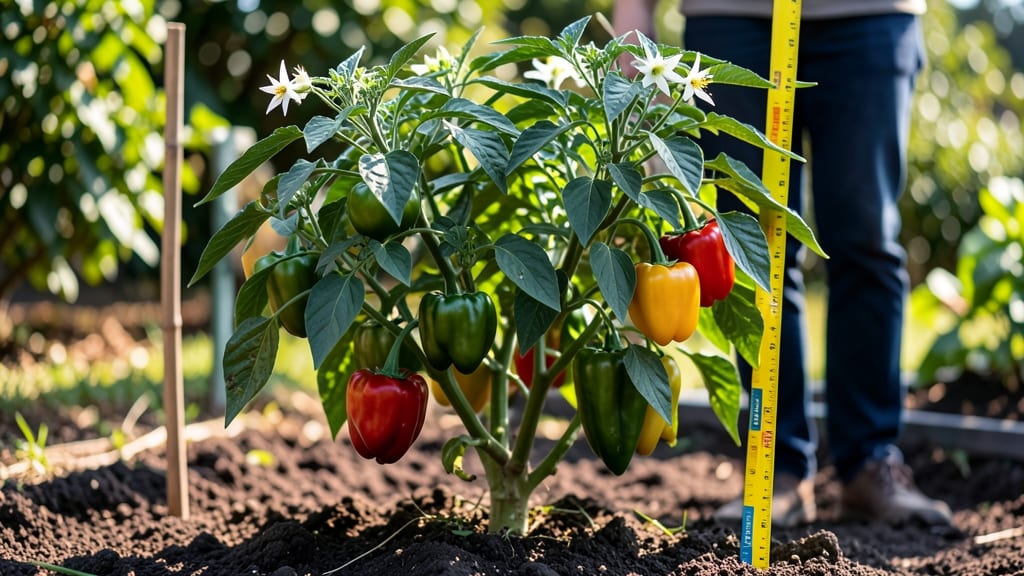
If you've ever wondered how tall does a bell pepper plant grow in your small balcony or cozy backyard, the answer depends on one key factor: height.
These plants don't all grow the same way—some stay compact enough for containers while others reach nearly waist-high, and knowing the difference could mean the difference between a thriving harvest and wasted space.
Standard bell pepper varieties typically grow between 2 and 4 feet tall, making them perfect for garden beds or large containers. But here's where it gets interesting: dwarf varieties stay under 2 feet, while some specialty types can stretch toward 4 feet or more.
This variation means you can grow them almost anywhere—from city patios to rural gardens—as long as you pick the right variety for your space.
What most gardeners don't realize is that proper spacing and sunlight actually influence how tall your plants grow. A crowded plant might stay shorter but produce fewer peppers, while one with plenty of room and sun will reach its full potential height.
The good news? With the right techniques, you can control growth to fit your space perfectly.
Whether you're planning a container garden or just curious about your backyard plot, understanding these height differences is the first step to growing bell peppers that thrive. Let me show you exactly how to choose the right variety and care for it to get the perfect-sized plant for your needs.

Bell pepper plant heights by variety: compact vs. towering types
Bell pepper plants aren't one-size-fits-all—their height can range from waist-high dwarfs to towering giants depending on the variety. Understanding these differences helps you plan your garden layout, choose containers, or even decide which types thrive in small spaces.
For example, my Sweet Banana peppers stay compact at 18-24 inches, while Jupiter varieties can reach 4 feet or taller!
Most home gardeners grow standard-height varieties (2-3 feet), perfect for in-ground beds or large pots. But if you're working with limited space, dwarf varieties like Pico de Gallo (12-18 inches) are game-changers. Meanwhile, giant varieties like Mammoth or Big Beautiful can top 4 feet, needing sturdy support.
Here’s how to visualize their growth: Imagine a standard kitchen countertop (3 feet)—most bell peppers will either sit below or just above it. Dwarf types stay shorter than a standard stool (18 inches), while giants can rival a child’s height (4 feet).
This visual helps when mapping your garden or choosing containers!
Height isn’t just about space—it also affects fruit production. Taller varieties often produce more peppers but need stronger stems or trellis support to prevent snapping. My Jupiter peppers, for instance, require staking at planting to avoid flopping under the weight of large fruits.
Meanwhile, dwarf varieties like Pico de Gallo are self-supporting but may yield fewer peppers.
Another factor? Growing conditions. A Sweet Banana pepper might stay shorter in partial shade (20 inches) but reach 30 inches with full sun. This is why I always pair height expectations with sunlight requirements—your local climate can shift growth by 6-12 inches!
For container gardening, dwarf and semi-dwarf varieties excel. A 5-gallon pot works for 18-inch-tall peppers, while 7-10 gallon pots are ideal for standard types. I’ve successfully grown California Wonder in 12-inch pots by pruning aggressively, but the yield drops by 30% compared to in-ground plants.
If you’re growing multiple varieties, plan for height differences. Place taller types (like Jupiter) at the north end of your bed to avoid shading shorter plants. In containers, use stackable pots or vertical planters to maximize space for mixed heights.
Remember: Pruning can also control height. Pinching off the main stem’s top bud (the apical meristem) encourages bushier growth. I prune my standard varieties to 24 inches by removing the top bud when they hit 18 inches, which boosts side branches and pepper production.
Finally, consider companion planting for tall varieties. Pairing Jupiter peppers with bush beans (which stay short) creates a low-maintenance, layered garden. The beans fix nitrogen in the soil, while the peppers provide shade for the beans’ roots.
Now that you know the height ranges, your next step is choosing the right variety for your space—and trust me, the right fit makes all the difference in harvests! 🌱
Bell pepper plant heights by variety: compact vs. towering types
Bell pepper plants aren’t one-size-fits-all—some varieties stay short and bushy, while others stretch tall like sun-seeking teenagers. The average height for most standard bell peppers is 2 to 4 feet, but dwarf varieties can stay under 2 feet, and some towering types reach 4+ feet.
Knowing your plant’s height helps you plan spacing, trellising, and even container sizes for a bountiful harvest.
For example, the Sweet Banana variety tops out around 24–30 inches, making it perfect for small gardens or containers. On the other hand, Jupiter bell peppers can grow 36–48 inches tall, requiring more elbow room.
Even within the same variety, height can vary based on growing conditions like sunlight, soil quality, and pruning habits.
Here’s a quick comparison of popular bell pepper varieties and their mature heights to help you pick the right fit for your space:
| Variety | Height Range | Best For |
|---|---|---|
| Sweet Banana | 18–24" | Containers, small gardens |
| California Wonder | 24–30" | In-ground beds, raised beds |
| Jupiter | 36–48" | Trellises, large gardens |
| Carmen | 20–24" | Balconies, patio pots |
| King of the North | 30–36" | Cold climates, early harvests |
If you’re growing bell peppers in containers, stick to dwarf or semi-dwarf varieties like Sweet Banana or Carmen. These thrive in 5-gallon pots and save space without sacrificing yield.
For in-ground gardens, taller varieties like Jupiter or King of the North can produce more peppers but need 18–24 inches of spacing between plants to avoid competition.
Pro tip: Prune taller varieties to control height and redirect energy to fruit production. Simply pinch off the top buds to encourage bushier growth. This works especially well for indeterminate varieties, which keep growing until frost.
Remember, sunlight is the secret sauce for height. Bell peppers need 6+ hours of direct sun daily to reach their full potential. Without enough light, they’ll stay short and leggy, producing fewer peppers. Place them in the sunniest spot in your garden or near a south-facing window if growing indoors.
Now that you know which varieties fit your space, your next step is to plan for their growth habits—whether that means grabbing a trellis or opting for a smaller pot. Happy planting! 🌱