
Plants
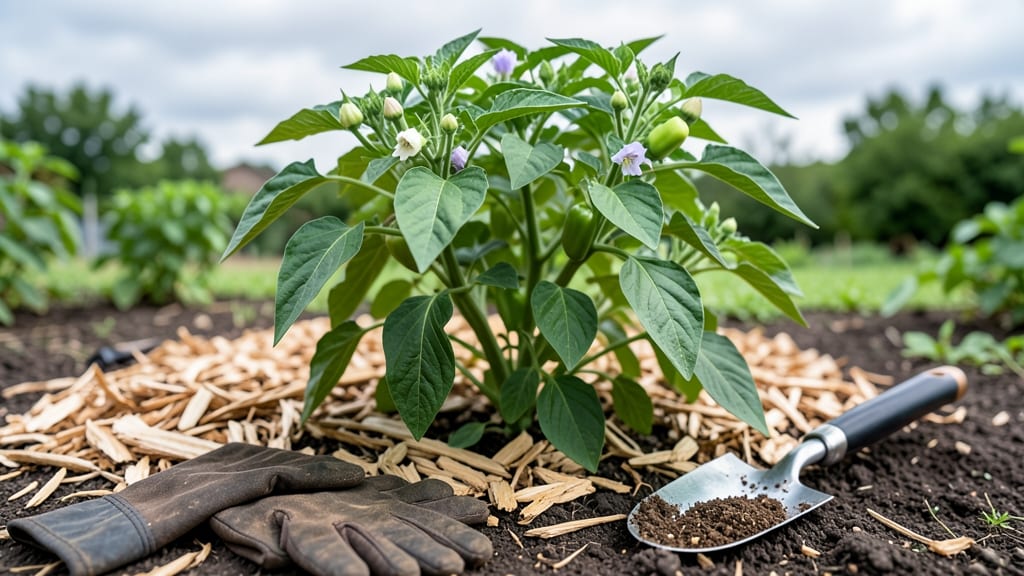
Planting bell peppers in Kansas isn’t just about grabbing seeds and sticking them in the ground—it’s about knowing exactly when to act so your 🌶️ thrive instead of wilt. With Kansas’ unpredictable springs and varying USDA zones (5b-7a), getting the timing wrong can mean the difference between a bumper crop and a sad, frost-nipped disappointment.
Most Kansas gardeners aim for that sweet spot between April 15 and May 15, after the last frost has passed and soil temperatures hit a steady 60°F.
But here’s the catch: your county’s frost-free date might differ by weeks from your neighbor’s, especially when comparing Wichita’s urban heat islands to rural areas near Topeka.
That’s why I’ll break down the exact windows you need—plus how to adjust for microclimates that can push your peppers ahead (or hold them back).
You’ll also discover three common mistakes Kansas growers make—like planting too early and ending up with leggy seedlings, or waiting too late and missing the growing season entirely.
We’ll cover how to use black plastic mulch for extra warmth, when to start seeds indoors (if you’re impatient), and why succession planting in June can still net you a harvest before frost.
Ready to turn your Kansas garden into a 🌶️ powerhouse? Let’s dive into the frost-free dates, soil tricks, and county-specific adjustments that’ll have your peppers producing from July through October—no guesswork required.
Kansas bell pepper planting dates by county: frost-free zone heat map guide
Bell peppers (Capsicum annuum) thrive in Kansas's USDA Zones 5b-7a, but timing is critical. The average last frost date ranges from mid-April in southern counties to late April in northern regions.
Planting too early risks frost damage, while waiting too long cuts your harvest window. Let’s break down the optimal planting windows by county and microclimate.
For most Kansas gardeners, the ideal transplant window is April 15–May 15, but this shifts 1-2 weeks earlier in southern counties (e.g., Sedgwick County) and 1-2 weeks later in northern areas (e.g., Republic County).
If you start seeds indoors 8-10 weeks before your last frost date, you can extend your growing season by 4-6 weeks.
Here’s a county-specific guide to frost-free dates and planting windows, based on Kansas State University Extension data. Use this to align your bell pepper varieties (e.g., ‘California Wonder’ for early harvests or ‘Jalapeño’ for heat tolerance) with your local climate.
| County | Avg. Last Frost | Transplant Window | Notes |
|---|---|---|---|
| Sedgwick (Wichita) | April 10 | April 15–May 1 | Urban heat islands warm soil faster; use black plastic mulch. |
| Johnson (Overland Park) | April 12 | April 20–May 5 | Microclimates vary; monitor soil temp (60°F+). |
| Shawnee (Topeka) | April 15 | April 25–May 10 | Clay soils stay cold longer; amend with compost. |
| Republic (Belleville) | April 25 | May 1–May 15 | Shorter growing season; choose fast-maturing varieties. |
| Rural (Western KS) | April 5–April 15 | April 20–May 1 | Dry winds delay planting; mulch to retain moisture. |
🌡️ Pro Tip: Use a soil thermometer—bell peppers need 60°F+ soil to thrive.
Kansas City’s urban heat island effect can push last frost dates 3-5 days earlier than rural areas. If you’re in Johnson or Wyandotte County, consider planting 1 week ahead of the average—but always verify with a local weather forecast or KSRE Extension alerts.
For container gardening, start seeds indoors by March 1 to transplant after the last frost. Containers warm up faster than ground soil, giving you a 2-week head start. Just ensure pots have drainage holes and use lightweight potting mix to prevent root rot.
If you miss the spring window, don’t despair! Kansas’s long, hot summers allow for a second planting in late June. Choose heat-tolerant varieties like ‘Carolina Wonder’ or ‘NuMex Sandia’, and use shade cloth during 90°F+ days to protect young plants.
Always check the Kansas Mesonet for real-time soil temps. A 5-day forecast of 50°F nights means your peppers are safe—any colder, and you’ll need row covers.
🌱
How to adjust planting timing for Kansas’s microclimates and soil conditions
Kansas’s diverse landscapes—from the urban heat islands of Wichita to the cooler high plains near Hays—create unique challenges for bell pepper growers. Microclimates can shift planting windows by 2-3 weeks, while soil types like clay-heavy loam or sandy loam affect warmth retention.
Adjusting your approach based on these factors ensures your peppers thrive even in Kansas’s unpredictable springs.
For urban gardens (e.g., Kansas City, Overland Park), sidewalks and buildings trap heat, warming soil faster. Start transplants 1-2 weeks earlier than rural areas, but monitor nighttime temps—below 50°F can stunt growth.
In contrast, rural areas east of I-35 (like Atchison or Leavenworth) often have cooler, wetter springs, delaying planting until May 1-15 to avoid frost.
Soil type plays a critical role in soil temperature and moisture. Clay soils (common in southeast Kansas) hold moisture but warm slowly—wait until soil reaches 60°F at 4-inch depth before planting.
Amend with compost or sand to improve drainage. Sandy soils (northwest Kansas) warm quickly but dry out fast; use organic mulch to retain moisture and add 2-3 inches of compost before planting.
Elevation also matters: Higher elevations (like near Salina or Hays) experience cooler nights and later frost dates. If you’re above 1,500 feet, push planting back to May 10-25 and use row covers for early-season protection.
For lower elevations (e.g., near Garden City), you can plant as early as April 25 if nighttime temps stay above 55°F.
Early-summer heatwaves (common in June-July) can stress young bell pepper plants. To mitigate this, harden off seedlings gradually and provide afternoon shade with floating row covers or shade cloth (30%) until plants establish roots. Drip irrigation also helps by keeping foliage dry and soil evenly moist, reducing heat stress.
For container growers, timing shifts even more. Pots warm faster than ground soil, so you can plant 2-3 weeks earlier than in-ground peppers. However, containers dry out quickly—water daily during heatwaves and use self-watering pots if possible.
Choose compact varieties like ‘Snackable’ or ‘Lucky Dragon’ to maximize yields in limited space.