
Plants
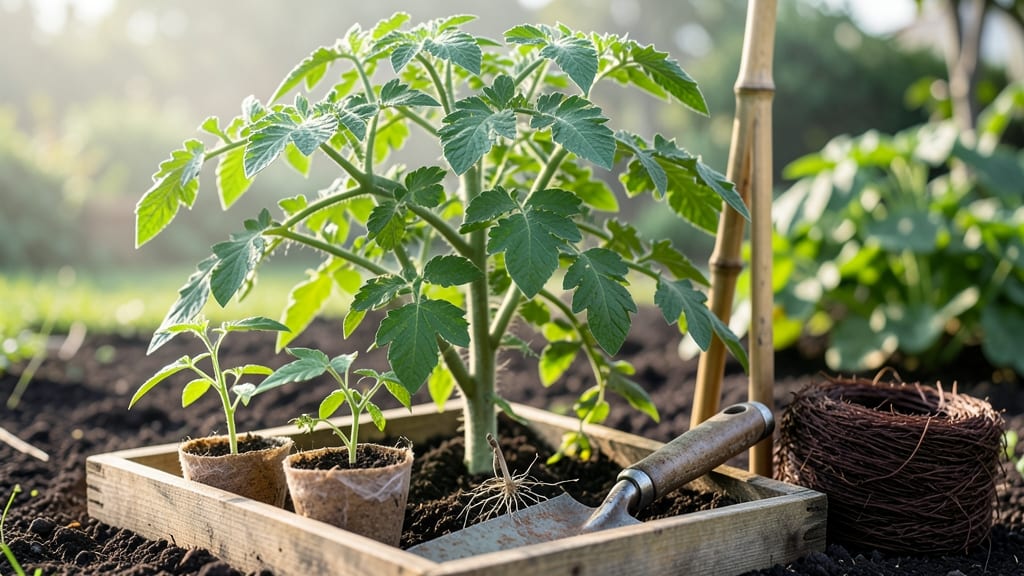
Planting tomatoes in Pennsylvania at the wrong time can mean the difference between a bountiful harvest and a sad, wilted 🍅 disappointment. The state’s varied climate—from Pittsburgh’s cooler valleys to Philadelphia’s urban heat islands—means your ideal planting window depends on more than just the calendar.
Most gardeners in USDA zones 6a-7a wait until after the last frost, typically between April 15 and May 15, but that’s just the starting point. Soil temperature matters just as much as air temperature—your tomatoes need warm earth to thrive, and rushing them can stunt growth or invite disease.
In this guide, I’ll break down the exact dates for your region, whether you’re starting seeds indoors or planting directly in the ground. You’ll also learn how to extend your growing season, avoid common pitfalls, and maximize your harvest from June through October.
Ready to grow juicier, healthier tomatoes? Let’s get started with the timing that works for your corner of Pennsylvania.
Pennsylvania planting zones & exact tomato planting dates by region
Pennsylvania’s USDA zones 4a through 7b create dramatically different conditions for tomato growers. In zone 4a (northwest PA), gardeners face late frosts until May 15, while zone 7b (southeastern PA) enjoys frost-free soil by April 1.
These differences mean your tomato planting window could shift by 6 weeks depending on where you live.
To nail the perfect timing, I’ll break down exact planting dates for each zone, including when to start seeds indoors and when to transplant seedlings outdoors. I’ll also cover direct-sowing methods for heat-loving varieties and how to adjust for microclimates like urban heat islands or sheltered valleys.
First, let’s tackle the core rule: Tomatoes thrive when soil temperatures stay above 60°F and nighttime temps remain above 50°F. Planting too early risks frost damage or stunted growth, while waiting too long cuts your harvest season short.
🌱
For gardeners in zones 4a and 5a, starting seeds indoors 6–8 weeks before transplanting is critical. Use grow lights to prevent leggy seedlings, and harden them off for 7–10 days before moving outdoors.
In zones 6b and 7b, you can direct-sow seeds 2–3 weeks earlier than transplanting dates, but only if soil temps are consistently above 60°F.
Microclimates play a huge role in Pennsylvania. Urban areas like Philadelphia and Pittsburgh can be 2–5°F warmer than rural zones, allowing for earlier planting. Conversely, valleys and shaded spots may need 1–2 weeks later adjustments. Always check soil temperature with a thermometer—it’s the most reliable indicator.
If you’re unsure about your exact zone, use the USDA Plant Hardiness Zone Map and cross-reference with local weather records. For example, State College (zone 5b) often sees frosts until May 10, while Lancaster (zone 6b) typically warms up by April 15.
These small differences can mean the difference between a bountiful harvest and a failed crop.
Pro tip: Keep a gardening journal for 2–3 years to
How to extend your tomato growing season in Pennsylvania’s short summers
Pennsylvania’s summers are short, but with the right strategies, you can harvest tomatoes well into fall. The key is delaying frost damage while maximizing sunlight. Whether you’re in Philadelphia’s Zone 7a or Pittsburgh’s Zone 6b, these techniques will help you push your harvest 4-6 weeks later.
Start by choosing heat-tolerant varieties like 'Mountain Merit' or 'Celebrity', which thrive in 75-90°F temperatures. These varieties resist blossom drop and sunscald, common issues in late-season plantings. Pair them with succession planting—sow new seeds every 2-3 weeks from May through early July to stagger harvests.
🌱 5 Proven Ways to Extend Your Tomato Season
- 1. Use row covers: Lightweight fabric traps heat and protects against light frosts (28-32°F). Remove during daytime for pollination.
- 2. Try cold frames: Low tunnels or hoop houses add 5-10°F warmth. Ideal for zones 4a-5b where summers are brief.
- 3. Plant late varieties: Choose 75-90 day varieties like 'Better Boy' or 'Early Girl' for fall harvests.
- 4. Mulch heavily: Straw or black plastic retains soil warmth and suppresses weeds. Replenish every 4-6 weeks.
- 5. Prune strategically: Remove suckers to redirect energy to fruit production rather than foliage. Stop pruning 6 weeks before frost.
For gardeners in zones 4a-4b, late-season risks are higher. Monitor 10-day forecasts and use frost cloths if nighttime temps dip below 35°F. In urban areas, heat islands can extend growing seasons by 1-2 weeks, but soil moisture becomes critical—water deeply every 2-3 days during dry spells.
Avoid planting after August 15 in most of PA, as daylight shortens rapidly, slowing growth. Instead, focus on fall varieties like 'San Marzano', which ripen faster in cooler weather. Pair this with drip irrigation to keep roots consistently moist without wetting leaves, reducing fungal diseases.
🌿