
Plants
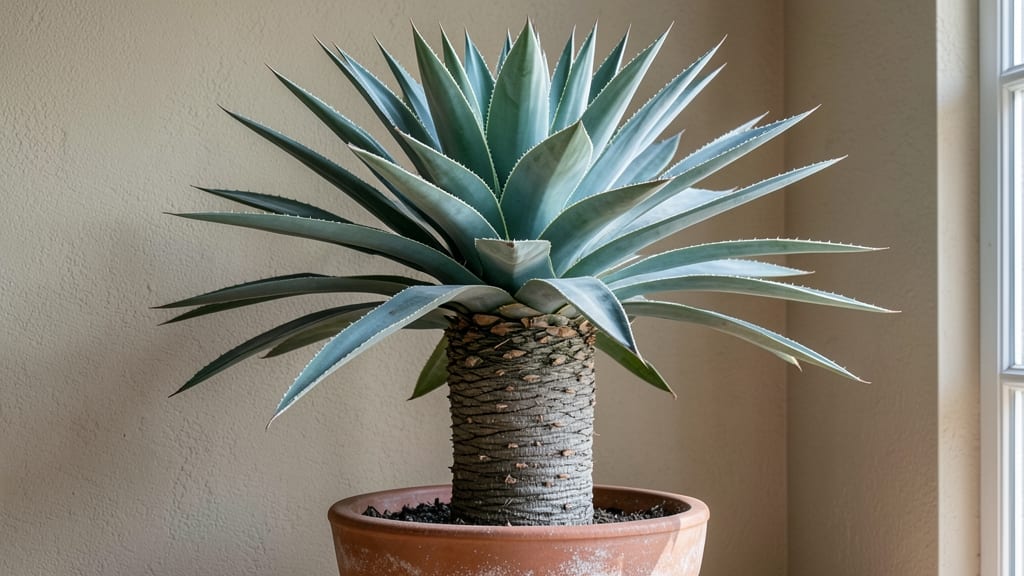
If you’ve ever wondered how tall that 🌵 yucca plant can grow once you plant it, the answer depends on the variety—and it might surprise you. Some stay compact enough for containers, while others grow tall enough to rival a two-story house.
Let’s break down the height ranges of the most popular yucca species so you can pick the perfect one for your space.
The tallest yucca varieties, like Yucca rostrata, can reach an impressive 30 feet or more, making them a dramatic focal point in large landscapes. On the other hand, dwarf varieties like Yucca filamentosa stay under 3 feet, perfect for borders or small gardens.
Knowing these differences helps you plan spacing and care from the start.
But height isn’t just about the species—soil, sunlight, and even your climate zone play a role. Yuccas thrive in full sun and well-draining soil, but overwatering or poor drainage can stunt their growth.
With the right conditions, even a small starter plant can grow into a stunning, towering specimen over time.
Ready to turn your garden into a yucca haven? I’ll walk you through the best varieties for different spaces and the care tips to help your plant reach its full potential—whether that’s a few feet or a sky-high statement piece.

Yucca plant height by variety: from dwarf to giant species
Yucca plants offer a stunning range of heights, from compact patio plants to towering landscape giants. The variety you choose will determine whether your yucca stays under 3 feet or stretches toward 30 feet—like the legendary Yucca baccata in the Southwest.
Let's explore the most popular species and their mature heights so you can pick the perfect fit for your garden.
Most gardeners start with Yucca filamentosa, the Adam's needle, which typically reaches 3 to 6 feet tall with arching sword-like leaves. This variety thrives in USDA zones 5-10 and adds dramatic texture to border gardens.
Meanwhile, the Spanish dagger (Yucca gloriosa) grows 4 to 8 feet tall, with striking yellow flower spikes that bloom in summer.
For those with limited space, Yucca recurvata (planet yucca) stays 2 to 4 feet tall and spreads 6 to 8 feet wide, making it ideal for container gardening. Its blue-green leaves and white flower clusters create a striking focal point without overwhelming small yards.
Now, let's compare the most popular yucca varieties side-by-side to help you visualize their mature sizes and growth habits.
| Variety | Common Name | Mature Height | Spread | Best For |
|---|---|---|---|---|
| Yucca filamentosa | Adam's Needle | 3-6 ft | 3-5 ft | Borders, slopes |
| Yucca gloriosa | Spanish Dagger | 4-8 ft | 4-6 ft | Specimen plant |
| Yucca recurvata | Planet Yucca | 2-4 ft | 6-8 ft | Containers, patios |
| Yucca rostrata | Beaked Yucca | 10-15 ft | 8-10 ft | Large landscapes |
| Yucca baccata | Datil Yucca | 15-20 ft | 10-15 ft |
Factors that influence yucca plant growth heightYucca plants thrive on full sun exposure, but their height potential also depends heavily on your local climate zone and soil conditions. In USDA Zones 7-10, where yuccas naturally flourish, they can grow 20-30% taller than in cooler regions. For example, Yucca rostrata may only reach 12 feet in Zone 6 but can soar to 25 feet in Zone 9. Another critical factor is watering habits. While yuccas are drought-tolerant, overwatering can stunt growth or cause rot. I recommend giving mature plants a deep soak every 10-14 days during dry spells. In contrast, consistent moisture in the growing season can encourage faster vertical growth in varieties like Yucca gigantea. 🌵 5 Key Factors That Shape Yucca Height
I’ve noticed that yucca plants in containers also grow significantly shorter—typically 30-50% of their landscape height—due to root restriction. If you’re growing yuccas in pots, choose large containers (2+ feet deep) and use a fast-draining mix to encourage upward growth. For gardeners in cooler climates (Zones 4-6), consider yucca varieties like 'Color Guard', which stay compact (3-4 feet) but still deliver bold foliage and flowers. These varieties are hardier and better suited for shorter growing seasons. Finally, wind exposure plays a subtle but important role. High-wind areas can cause yuccas to grow lean or stunted, while sheltered locations allow for straighter, taller growth. If you’re planting near a windbreak, your yucca may reach its maximum height potential more quickly. 🪴 |