
Plants
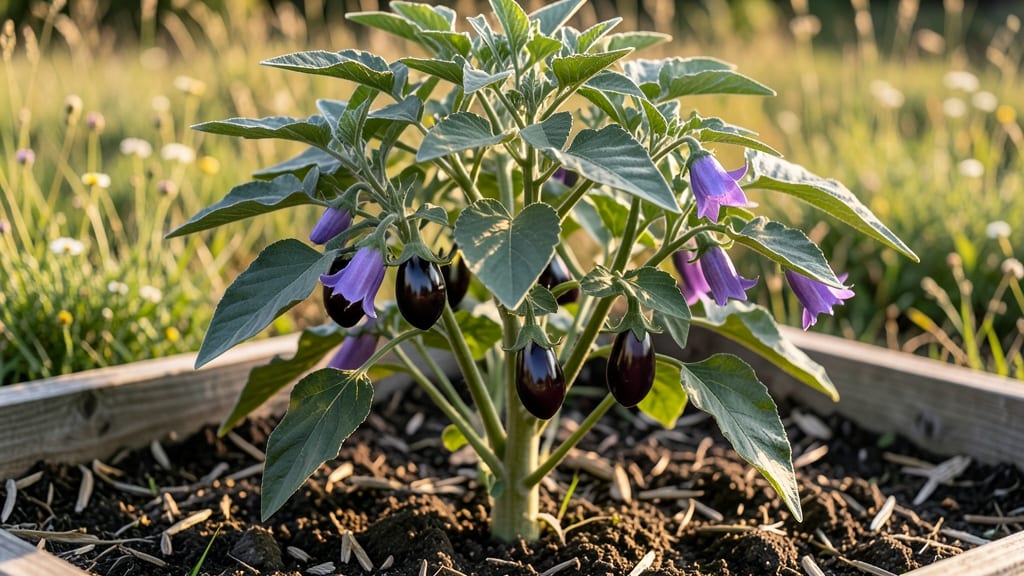
If you've ever stared at a seed packet for 🍆 eggplant and wondered how tall these plants grow, you're not alone. The truth is, eggplant plants can range from compact 1-foot bushes to towering 4-foot giants—depending entirely on the variety you choose.
For most gardeners in Zone 6a, standard varieties like 'Black Beauty' typically reach 2.5 to 3 feet tall, while dwarf types like 'Fairy Tale' stay under 2 feet.
This height difference isn't just about aesthetics—it directly impacts how much space you'll need to give them room to thrive without crowding.
Understanding these height variations is the key to planning your garden layout. Whether you're working with a small balcony container or a sprawling backyard, knowing how tall your eggplant will grow helps you avoid common mistakes that can stunt growth or reduce yields.
Let me show you exactly how to choose the right variety for your space, how much room to allocate, and simple tricks to manage height—so you can enjoy a bumper crop without the guesswork.

Eggplant height by variety: from compact bushes to towering stems
Eggplant plants come in a surprising range of heights, from compact bush varieties that stay under 2 feet to tall indeterminate types reaching over 4 feet.
The height you’ll end up with depends entirely on the variety you choose, and understanding these differences is key to planning your garden layout. Whether you’re working with limited space or aiming for a lush, productive patch, knowing your eggplant’s mature height helps you avoid overcrowding or wasted space.
Most gardeners assume all eggplants grow the same size, but the truth is far from it. Dwarf varieties like 'Fairy Tale' or 'Patio Baby' stay between 1 and 2 feet tall, making them perfect for containers or small gardens.
On the other end of the spectrum, standard varieties such as 'Black Beauty' or 'Ichiban' can easily hit 3 feet or more, requiring more room to spread and thrive.
Even within the same category, growth habits can vary—some plants grow upright while others sprawl, which affects how much space they’ll need.
Here’s the breakdown you need to know before selecting varieties for your garden:
| Variety Type | Height Range | Space Needs | Best For |
|---|---|---|---|
| Dwarf Varieties | 1–2 ft | 12–18 inches apart | Containers, small gardens, urban balconies |
| Semi-Dwarf Varieties | 2–2.5 ft | 18–24 inches apart | Raised beds, small plots, trellising |
| Standard Varieties | 2.5–3.5 ft | 24–36 inches apart | Large gardens, in-ground beds, staking |
| Indeterminate Varieties | 3–4+ ft | 36+ inches apart (or trellis) | Large spaces, vertical gardening |
Taller eggplant varieties often produce more fruit, but they also require sturdy support to prevent stems from snapping under the weight of heavy eggplants. Varieties like 'Black Krim' or 'Rosa Bianca' can grow 4 feet or taller if left unpruned, making them ideal for gardeners with vertical space to spare.
If you’re growing these in containers, plan for a 5-gallon pot minimum and consider using a trellis or cage to support their height.
Height also impacts fruit production. Shorter varieties like 'Fairy Tale' may produce smaller eggplants but are more prolific in tight spaces. Meanwhile, taller plants like 'Ichiban' yield fewer but larger fruits.
If you’re growing eggplants for culinary purposes, consider your recipe needs—some dishes call for small, round eggplants, while others benefit from larger, elongated varieties.
One common mistake is assuming all eggplants need the same amount of space. Overcrowding leads to poor air circulation, increasing the risk of fungal diseases like powdery mildew.
Conversely, giving plants too much room can spread them too thin, reducing yields. The key is matching your variety’s height to your garden’s layout and adjusting spacing accordingly.
For example, if you’re growing 'Black Beauty' in a raised bed, space them 24 inches apart to allow room for their mature height. In contrast, 'Patio Baby' can be planted just 12 inches apart in a container, making it perfect for patios or decks.
Always check the seed packet or plant tag for specific spacing recommendations, as even slight differences in height can affect how your plants perform.
If you’re new to growing eggplants, start with a mix of dwarf and semi-dwarf varieties to test what works best in your space. This approach lets you experiment with different heights while keeping your garden manageable.
Once you understand how each variety grows, you can plan future plantings with confidence, ensuring your eggplants have the room they need to thrive.
Eggplant height by variety: from compact bushes to towering stems
Eggplant plants come in a surprising range of heights, from compact bush varieties that stay under 2 feet to tall, sprawling types reaching nearly 4 feet. The height you choose directly impacts your garden layout, yield, and even how much pruning and support your plants will need.
For example, dwarf varieties like 'Fairy Tale' or 'Patio Baby' are perfect for containers or small spaces, while standard types like 'Black Beauty' or 'Ichiban' demand more room to thrive.
Most home garden eggplants fall between 2 and 3 feet tall, but some heirloom or Asian varieties can stretch even taller. Understanding these differences helps you pick the right plant for your space—whether you're working with a balcony garden or a sprawling backyard.
Let’s break down the most popular categories so you can make an informed choice before planting.
| Variety Type | Height Range | Space Needs | Best For |
|---|---|---|---|
| Dwarf Varieties | 1–2 ft | Containers or 12–18" spacing | Balconies, small gardens |
| Semi-Dwarf | 2–2.5 ft | 18–24" spacing | Raised beds, urban gardens |
| Standard | 2.5–3.5 ft | 24–36" spacing | Backyard gardens, trellises |
| Tall/Heirloom | 3.5–4+ ft | 36"+ spacing or staking | Large gardens, vertical growing |
Taller eggplant varieties often produce larger fruits but require more support and sunlight to prevent flopping or disease. For instance, 'Black Krim' can reach 3.5 feet and needs staking, while 'Rosa Bianca' stays around 2 feet but thrives in containers.
If you're short on space, consider bush types—they mature faster and need less maintenance.
Height also affects fruit production. Taller plants may yield more but need proper airflow to avoid fungal issues like powdery mildew. Meanwhile, dwarf varieties compensate with earlier harvests and are ideal for cooler climates or shorter growing seasons.
Always check the seed packet or plant tag for mature height estimates—this is your best guide for spacing and support needs.
One pro tip: If you love large eggplants but have limited space, try pruning side shoots to direct energy upward. This can help standard varieties stay more compact while still producing heavy yields. Just avoid over-pruning, as eggplants need foliage for photosynthesis to fuel fruit growth.
Before planting, sketch your garden layout and measure available space. A 3-foot-tall eggplant in a 2-foot-wide spot will struggle, while a dwarf variety in a 5-gallon container can thrive.
Matching your eggplant’s height to its environment sets you up for success—whether you're growing for award-winning fruits or just a few homegrown meals.