
Plants
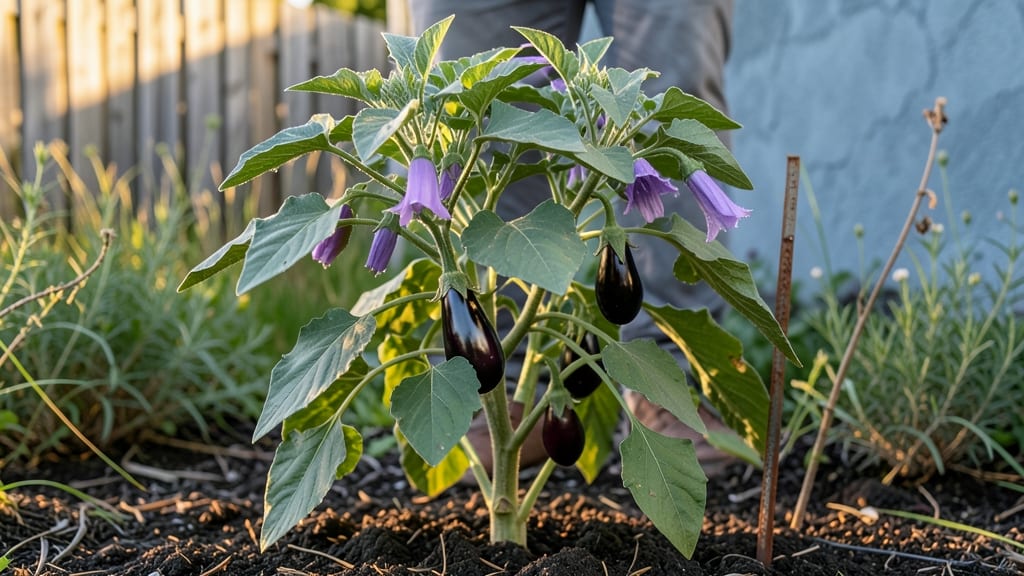
Wondering how tall your 🍆 eggplant plants will grow before they start crowding your garden? The answer isn't one-size-fits-all - some varieties reach 4 feet while others stay compact enough for containers, making space planning the key to a successful harvest.
For most gardeners in Zone 6a, standard eggplant varieties like Black Beauty typically grow 3-4 feet tall, but that's not the whole story. The height you'll see depends on whether you're growing from seed or transplanting seedlings after last frost, and how much you prune those lush green leaves.
If you're working with limited space, you'll want to know about the space-saving varieties that max out at just 1-2 feet - perfect for balconies or small gardens. These compact plants still produce plenty of fruit, proving you don't need a large plot to enjoy homegrown eggplants.
Let me show you exactly how to choose the right variety for your space, plus 3 simple techniques to control height naturally without sacrificing yield. Your garden's square footage just got a lot more flexible!

Standard eggplant plant height: what to expect from common varieties
If you’ve ever wondered, "How tall do eggplant plants grow?" the answer depends on the variety you choose. Most standard eggplant plants reach a mature height of 3 to 4 feet, making them a medium-sized vegetable that fits well in home gardens but may need space planning.
For example, the classic Black Beauty variety typically grows 3 to 4 feet tall, while others like Ichiban can stretch slightly taller, up to 5 feet under ideal conditions.
Understanding these height ranges helps you decide whether to plant in ground beds, containers, or vertical supports—especially if you’re working with limited space.
Eggplant plants also develop a sprawling growth habit, with broad leaves that spread 2 to 3 feet wide. This means you’ll need to account for both height and width when spacing plants in your garden.
For instance, placing them 18 to 24 inches apart in rows spaced 2 to 3 feet apart ensures they have room to thrive without crowding. If you’re growing in containers or small gardens, you might need to opt for dwarf varieties to avoid overcrowding.
Here’s the key takeaway: Standard eggplants are tall but manageable if you plan ahead. Their height makes them ideal for larger garden beds or raised beds, where they can spread out without competing for sunlight.
However, if your space is tight, you’ll want to explore compact or bush varieties designed specifically for smaller areas. These varieties can reduce your plant’s height by nearly 50%, making them perfect for balconies, patios, or even windowsill gardens.
| Variety | Mature Height | Width | Best For |
|---|---|---|---|
| Black Beauty | 3–4 ft | 2–3 ft | Standard gardens, raised beds |
| Ichiban | 4–5 ft | 2–3 ft | Large gardens, high yields |
| Rosa Bianca | 3–4 ft | 2 ft | Containers, small spaces |
| Fairy Tale | 1–2 ft | 1–1.5 ft | Balconies, pots, windowsills |
The height of an eggplant plant isn’t just about aesthetics—it directly impacts your harvest potential. Taller varieties like Ichiban produce more fruit but require more space, while compact varieties like Fairy Tale yield smaller harvests but are perfect for container gardening.
If you’re growing in USDA Zone 6a, where frost-free days are limited to about 165 days, choosing the right height can also affect your harvest timeline. For example, dwarf varieties mature faster, giving you an earlier harvest before cooler weather sets in.
Another factor to consider is pruning. Even standard eggplant plants can be trained to stay shorter by removing suckers (the small shoots that grow in the leaf axils). This not only controls height but also improves air circulation, reducing the risk of fungal diseases like powdery mildew.
I’ve found that pruning once every 2–3 weeks keeps my plants at a manageable height while boosting fruit production. Just be sure to sterilize your pruners between cuts to prevent spreading disease.
For those growing in containers, height becomes even more critical. A 5-gallon pot is the minimum for standard varieties, but dwarf eggplants thrive in 3-gallon containers. The key is ensuring the container has drainage holes and is at least 12 inches deep to accommodate the plant’s root system.
If you’re growing in a balcony garden, opt for varieties like Patio Baby, which max out at 2 feet tall—ideal for stackable planters or hanging baskets with vertical support.
One common mistake I see is underestimating the plant’s width. Even if an eggplant is only 2 feet tall, its leaves can spread 3 feet wide, shading nearby plants. To avoid this, interplant eggplants with shorter crops like bush beans or lettuce, which tolerate partial shade.
Alternatively, use reflective mulch (like silver plastic) to bounce sunlight onto the plant’s lower leaves, encouraging bushier growth and more fruit production.
If you’re still unsure about spacing, here’s a quick rule of thumb: Measure your eggplant’s height at the base of the first flower cluster. This is where the plant will focus its energy on producing fruit, and it’s a great indicator of its mature size. For standard
Standard eggplant plant height: what to expect from common varieties
Most standard eggplant varieties, like the classic Black Beauty, grow between 3 to 4 feet tall at maturity. This height makes them perfect for traditional garden beds but can feel overwhelming if you're working with limited space.
The key to managing their size lies in understanding their growth habits and how they develop over time.
Eggplants are indeterminate growers, meaning they don’t have a fixed height limit. Without pruning, they can grow taller and produce more fruit over time, especially in warm climates. For example, the Ichiban variety often reaches 4 feet or more, while Rosa Bianca typically stays around 3 feet.
Here’s how height varies by variety and growth stage:
| Variety | Mature Height | Growth Habit | Best For |
|---|---|---|---|
| Black Beauty | 3-4 ft | Sprawling | Traditional gardens |
| Ichiban | 4+ ft | Tall, upright | Large plots, trellising |
| Rosa Bianca | 3 ft | Compact | Containers, small gardens |
If you’re planting in Zone 6a, timing matters too. Eggplants planted after the last frost (around April 15) will have 165 frost-free days to mature, giving them plenty of time to reach their full height.
However, if you start seeds indoors earlier, you might see slightly taller plants by harvest time.
For gardeners with limited space, choosing a variety like Rosa Bianca can save you from needing to prune aggressively. These shorter plants still produce high-quality fruit while taking up less room.
The trade-off? You might yield slightly fewer eggplants than taller varieties, but the convenience often makes it worth it.
Pruning plays a huge role in controlling height. Regularly trimming side shoots can keep plants 2-3 feet tall while encouraging more fruit production. I’ve found that pinching off the top growth after 3-4 feet helps redirect energy to the fruit rather than the stems.
Remember, eggplant height isn’t just about the variety—it’s also about your growing conditions. Plants in full sun with rich soil tend to grow taller and more vigorously than those in partial shade or poor soil. Adjust your expectations (and your garden plan) based on what you’re working with!