
Plants
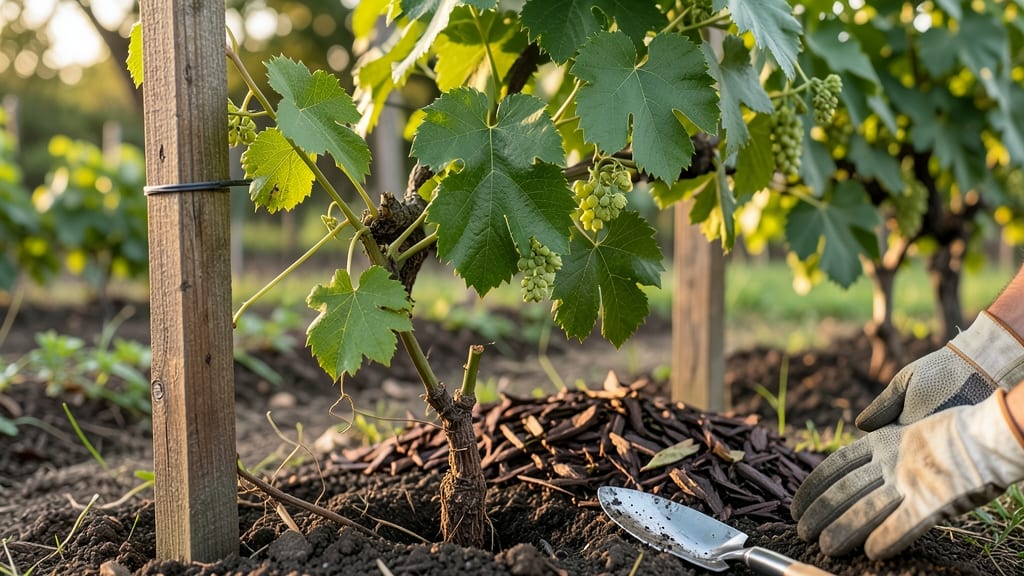
If you're dreaming of a homegrown grape harvest in Texas, timing your 🍇 grape vine planting is the single most important factor for success.
Plant too early, and scorching summer heat will fry your young vines before they take root; too late, and winter frosts could wipe them out before they even establish. The secret lies in understanding Texas's unique heat zones and choosing the right window between late winter and early fall.
Texas's diverse climate—from the chilly Hill Country to the steamy Gulf Coast—means what works in Zone 8a might fail in Zone 10b. I've seen gardeners in North Texas nail their planting in February while their neighbors in South Texas wait until September to avoid the worst of summer's fury.
The key is matching your region's last frost date with your grape variety's dormancy needs.
In this guide, I'll break down the exact planting windows for each Texas heat zone, including when to order bare-root vines, how to prep your soil, and what to watch for in the first 30 days after planting.
Whether you're a first-time grape grower or a seasoned Texas gardener looking to refine your approach, these insights will help you avoid common pitfalls and set your vines up for a bountiful harvest from August to October.
Let's dive into the science behind Texas grape planting—because getting it right means the difference between a thriving vineyard and a sad pile of withered cuttings.
You'll learn how to read your local microclimate, choose cold-hardy varieties, and time your planting for maximum root growth before the heat or cold sets in.
Texas heat zones explained: the best months to plant grape vines by region
Texas’s diverse climate—from the Arid Plains of West Texas to the Humid Gulf Coast—means grape vines thrive in different windows. Understanding your USDA zone (8a-10b) and microclimate is key to avoiding heat stress or winter kill.
For example, North Texas (Zone 8a) has a shorter growing season than South Texas (Zone 9b-10a), where vines can grow year-round with minimal frost risk.
Most Texas gardeners plant grape vines in late winter to early spring (February-March) or fall (September-October). Spring planting gives vines time to establish roots before summer’s brutal heat, while fall planting lets them harden off before winter.
However, Gulf Coast regions (Zone 9a+) can plant year-round, but avoid extreme summer heat (June-August) when temperatures exceed 95°F.
Here’s how Texas’s heat zones break down for grape vine planting:
For Hill Country gardeners (Zone 8a), I recommend planting in late February to avoid spring freezes, while Gulf Coast growers (Zone 9a+) can plant as late as November.
Always check your local first and last frost dates—the Texas A&M AgriLife Extension is a great resource for hyper-local advice.
Soil preparation is just as critical as timing. Texas’s clay-heavy soils can suffocate roots, so amend with compost and sand to improve drainage. Aim for a pH of 6.0–7.0—grape vines hate acidic soil! Test your soil 4–6 weeks before planting to adjust nutrients.
Pro tip: If you’re in a transition zone (e.g., Austin’s edges), opt for early-ripening varieties like Thomcord to avoid summer heat stress. These vines mature faster, giving grapes time to ripen before temperatures soar.
🌱
Step-by-step grape vine planting schedule for Texas: avoiding heat stress and winter damage
Timing your grape vine planting in Texas isn’t just about the calendar—it’s about soil temperatures, heat waves, and frost risks. My step-by-step schedule ensures your vines thrive despite Texas’s extremes, from 100°F summers to freezing winters in North Texas.
Let’s break it down by month to avoid costly mistakes.
Start by ordering bare-root grape vines in late winter (February) for spring planting or late summer (August) for fall. Texas nurseries like Texas A&M AgriLife offer cold-hardy varieties like ‘Albariño’ or ‘Muscadine’, perfect for our climate.
Check soil temps—ideal planting occurs when soil reaches 50–60°F for 6+ inches deep.
🌱 Step 1: Pre-Planting Prep (January–February)
- Test soil pH (6.0–7.0)—Texas clay often needs lime or sulfur.
- Amend soil with compost or aged manure for drainage.
- Choose a sunny, wind-protected spot with a trellis or arbor ready.
📅 Step 2: Spring Planting (February–March)
- Plant dormant bare-root vines in North Texas (Zone 8a) by March 1 to avoid early heat stress.
- In Central/South Texas (Zones 9a–10b), plant by February 15 to beat summer’s intensity.
- Water deeply 2–3 times/week until established.
📋 Step-by-Step Grape Vine Planting Schedule
- 🌱 January–February: Test soil pH (6.0–7.0), amend with compost, and install trellis.
- 📅 February–March (Spring): Plant bare-root vines when soil is 50–60°F. Water deeply 2–3x/week.
- ☀️ April–May: Mulch with straw or wood chips to retain moisture. Prune to 2–3 buds.
- 🌡️ June–July: Water every 5–7 days during heatwaves. Use shade cloth (30–50%) if temps exceed 95°F.
- 🍂 September–October (Fall): Plant vines by October 15 in North Texas or November 1 in South Texas. Fertilize lightly.
- ❄️ November–December: Mulch heavily (4–6 inches) to protect roots. Reduce watering to monthly.
Pro Tip: Use a soil thermometer to monitor temps—plant only when soil is warm enough but not baking hot.
⚠️ Critical Summer Care (June–August) Texas’s triple-digit heat can scorch young vines. Here’s how to survive:
- Morning watering only (before 10 AM) to prevent fungal diseases.
- Shade cloth (30–50%) for vines under 1 year old.
- Drip irrigation keeps roots cool—avoid overhead sprinklers.
Fall planting (September–October) is my top recommendation for Texas. Vines establish roots before winter and avoid summer’s brutal heat. In North Texas, plant by October 15; in South Texas, extend to November 1.
Mulch with straw or leaves to insulate roots from freeze risks.
After planting, monitor for heat stress signs like wilting leaves or sunburned grapes. Adjust care based on your USDA zone—North Texas needs earlier frost protection, while South Texas can push vines harder. With this schedule, your grape vines will thrive year-round in Texas’s tough climate! 🌿